Guide to Electric Vehicle Charging Station Maintenance

As the number of electric vehicles (EVs) continues to grow, charging infrastructure has become a critical component in ensuring efficient vehicle operation. Whether residential charging piles, workplace parking lot chargers, or public DC fast-charging stations, long-term stable and safe operation is essential to meet rising demand. However, many users focus primarily on charging speed, power output, and smart features, often neglecting routine maintenance. In reality, even high-quality charging equipment is affected by environmental factors, usage frequency, and component aging over time. Without necessary inspections and care, charging efficiency may decline, failure rates may increase, and electrical safety risks could emerge. Therefore, establishing a scientific, standardized maintenance plan is vital to ensure safe, efficient, and long-term stable operation of charging equipment. This guide systematically introduces the importance of EV charger maintenance, recommended schedules, daily inspection content, common faults and troubleshooting approaches, professional servicing items, and scenario-specific maintenance priorities—helping residential users, facility managers, and charging station operators understand best practices to extend equipment lifespan, reduce operating costs, and continuously enhance the charging experience.
Before discussing specific methods and schedules, we must address a fundamental question: Why do charging stations need maintenance? The answer lies in four dimensions—safety, efficiency, cost, and service life.
EVs are gaining widespread popularity partly because owners can conveniently charge at home. Yet many overlook charger maintenance. Although modern EV chargers are designed with durable, weatherproof, low-maintenance materials, they remain part of the home electrical system and, like any electrical device, require periodic checks to ensure safety, efficiency, and reliability. Over time, internal electronic components, circuitry, and charging cables may degrade or wear. Without maintenance, seemingly minor issues—loose connections, dust accumulation, or moisture ingress—can escalate into serious faults. Regular upkeep ensures continuous safe operation, stable charging performance, reduced downtime, and extended service life. A modest investment in preventive maintenance yields long-term dependable results.
The safety aspect is paramount. Chargers connect directly to building power supplies, making them integral to the electrical system. As equipment operates, cables may wear, terminals may loosen, and environmental factors—rain, dust, extreme temperatures—can compromise performance, increasing risks of overheating, short circuits, or poor contact. Routine inspections and electrical testing can identify potential problems early, preventing escalation and protecting both equipment and personal safety. In many regions, EV chargers must comply with electrical installation and safety standards. For rental properties, offices, and commercial stations, periodic professional inspections not only ensure safe operation but also help maintain regulatory compliance.
Beyond safety, maintenance directly influences charging efficiency and user experience. Neglect can lead to reduced charging speeds, interruptions, or lower efficiency. Keeping equipment clean, securely mounted, and properly configured ensures vehicles charge as designed—particularly important for daily commuters. Additionally, regular maintenance helps avoid costly repairs. Loose connections may damage internal electronics, dust and moisture can corrode circuits, and worn connectors often cause charging failures. These issues, if caught early, are inexpensive to fix, but if left unaddressed, may require major component or full-unit replacement.
Well-maintained chargers provide greater user confidence, whether for overnight charging or quick pre-trip top-ups. Regular maintenance prevents unplanned downtime, reduces hardware repair expenses, and ensures continued compliance with national safety standards and building electrical codes. For charging station operators, reliable equipment translates to higher utilization rates, sustained revenue, improved user satisfaction, and customer loyalty. Conversely, neglected equipment is prone to electrical faults, increasing safety hazards and potentially leading to expensive emergency repairs.

Different usage scenarios subject charging equipment to vastly different workloads, so maintenance intervals should vary accordingly. Recommendations fall into three categories: residential, commercial, and special environments.
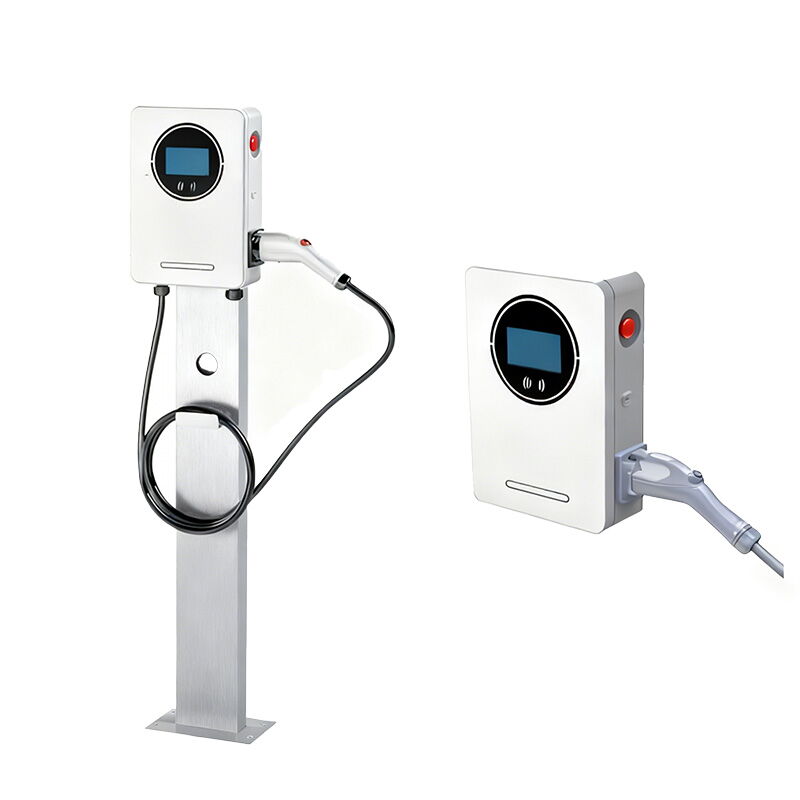
For ordinary home chargers, which operate in relatively stable environments with lower usage, a monthly visual inspection suffices, supplemented by a professional electrical system check every one to two years. Home maintenance is straightforward—most users can perform basic checks. Begin by inspecting the enclosure for cracks, damage, deformation, or overheating marks, and verify that the unit is securely mounted without looseness or tilting. Then examine the charging cable and connector for wear, cracks, bent deformation, or plug damage, ensuring a firm connection when inserted into the vehicle.
In offices, corporate parking lots, or public stations where chargers serve numerous vehicles daily, cables, connectors, and internal components endure heavier loads. For these, monthly or quarterly routine checks are recommended, with a comprehensive professional maintenance visit at least annually. Public stations are typically managed by specialized operators who contract maintenance teams and use remote monitoring systems to track real-time equipment status, promptly dispatching repairs when faults are detected. For commercial stations, quarterly preventive maintenance is common practice, with an annual in-depth inspection to verify grid connections and overall system health.
For fast-charging equipment installed in high-temperature, severe cold, or dusty areas, more frequent filter replacements and cooling system inspections are necessary. Data collected via remote monitoring platforms enables operators to flexibly schedule on-site visits based on actual equipment condition, achieving more scientific and efficient maintenance management. A routine maintenance session typically takes two to four hours; simple visual checks and cable testing are quicker, while liquid-cooling system servicing or power module replacement may require a full day. Remote diagnostic systems can predict fault causes and help technicians prepare required spare parts, further minimizing downtime.
With frequency established, the next question is what to do during each maintenance session. Daily work can be broken into four modules: visual inspection, cleaning, operational monitoring, and software updates.

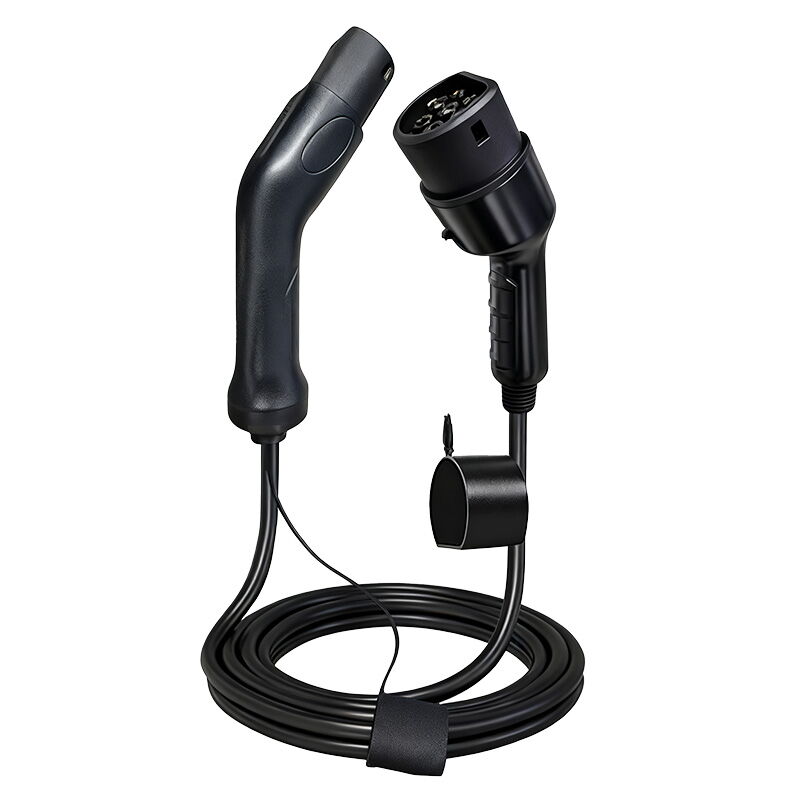
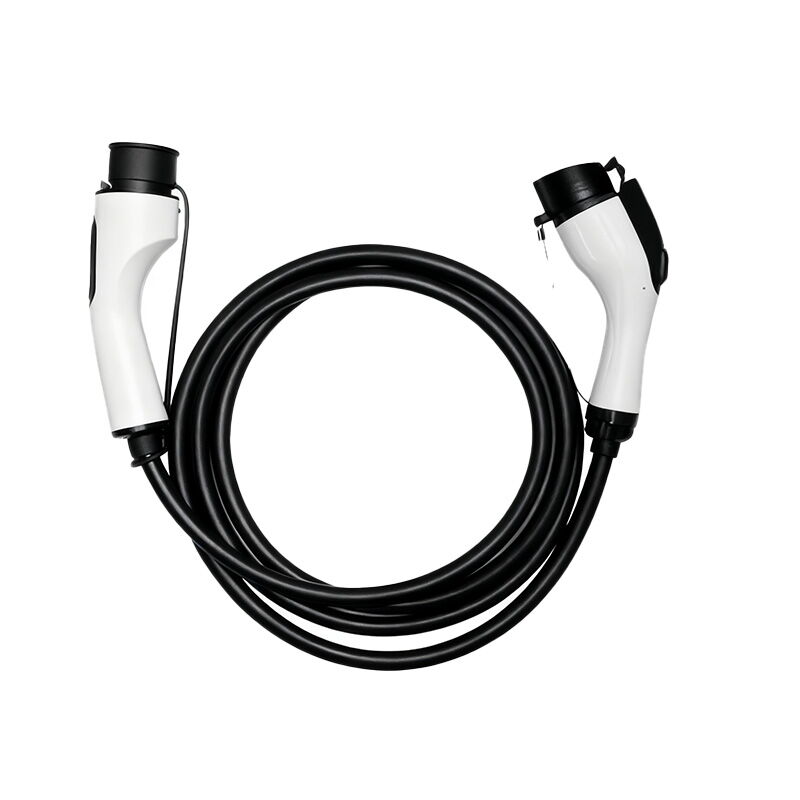
Most users can handle basic checks. Start with the charger's exterior—look for cracks, damage, deformation, or signs of overheating, and confirm secure mounting. Then inspect the cable and connector for wear, cracks, bending, or plug damage, and verify a firm connection when plugged in. Since poor contact at the connector is one of the most common causes of charging faults, this step is especially critical.
Regularly clean the charger, wiping away surface dust and grime, and keep the charging interface clean to prevent foreign objects from affecting use. If feasible, check visible external wiring and terminals for tightness; if any looseness is found, contact a professional rather than attempting DIY repairs. Beyond equipment upkeep, good charging habits matter—keep the charger clean and dry, avoid rain or dust ingress, never disassemble or repair electrical parts yourself, and always leave installation, maintenance, and repairs to qualified professionals to ensure long-term system safety and stability.
In addition to visual checks, pay attention to the charger's real-world performance. If you notice significantly slower charging, frequent interruptions, or inability to sustain charging, consider whether the charger itself may be at fault—not just the vehicle. Also, for smart-enabled chargers, promptly install manufacturer-released software or firmware updates, which often fix known issues, improve efficiency, and enhance cybersecurity, further boosting reliability.
Modern EV charging infrastructure typically adopts a hybrid maintenance model combining remote digital monitoring with periodic on-site inspections. Cloud-based management platforms track real-time equipment status, continuously collecting data on charging power, efficiency, and anomalies. When the system detects abnormal energy output or faults, it can immediately issue alerts, providing fault-location information for repair crews. Software systems require over-the-air (OTA) updates to maintain compatibility with the latest vehicle communication protocols and continuously improve security and efficiency. Combining hardware maintenance with software management is essential for long-term stability.
Even with proper maintenance, charging equipment may occasionally encounter faults. Understanding common issues and their causes helps in rapid diagnosis and appropriate response.
Common problems include reduced charging speed, failure to connect to the vehicle, overheating, and cable damage. Slower charging may result from connector dust accumulation, software anomalies, or insufficient power supply capacity.
Connection failures can stem from damaged cables, poor contact, or communication errors. Frequent plugging and unplugging may bend pins, crack plastic housings, or damage locking mechanisms. Abnormal communication protocols between the vehicle and charger, or failed firmware upgrades, can also prevent charging initiation.
Overheating is often related to poor heat dissipation, internal component damage, or electrical faults. Cooling fan malfunction can trigger protective shutdowns. Rain ingress, high humidity, and sharp temperature fluctuations accelerate electronic component aging, shortening service life.
Frequent use, especially in high-traffic public locations, leads to cable wear. If noticeable abrasion, damage, or exposed wires appear, discontinue use immediately and have a professional electrician verify safety before resuming, to avoid electric shock or fire hazards.
Additional fault causes include internal electrical failures, software communication anomalies, mechanical connector wear, harsh environmental impacts, and grid power fluctuations. Damage to key components like power modules or inverters may cause complete power loss. Voltage dips, surge impacts, and electromagnetic interference can damage internal surge protection devices and affect data communication in smart charging systems. Common repair items include replacing worn cables, repairing faulty payment terminals, replacing fuses or resetting tripped breakers, fixing display malfunctions, and resolving network communication issues. For fast chargers, liquid-cooling pump failure is also common—once cooling fails, the unit automatically shuts down due to high temperature.
Daily checks reveal surface issues, but hidden electrical problems often require specialized tools and expertise. Professional maintenance encompasses electrical testing, internal inspections, performance calibration, and remote monitoring.
- Electrical Parameter Testing: Beyond daily care, schedule periodic comprehensive inspections by qualified technicians. During professional servicing, engineers typically begin with voltage and current measurements to verify normal operation and detect latent faults.
- Internal Component Inspection: Technicians then examine internal circuit boards, electronic components, and wiring for wear, corrosion, oxidation, or overheating. They also check cooling fans and other critical parts for degradation, while verifying the sturdiness of mounting brackets and enclosures.
- Electrical Connection and Safety Checks: All electrical connections are tested for tightness to eliminate poor-contact hazards, and installation is verified against local electrical codes. Special attention is given to the charging cable and connector—inspecting insulation integrity, exposed wires, and bent pins—with immediate replacement if damage is found, to prevent shock or fire risks.
- Performance Testing and Calibration: Finally, engineers perform system performance tests to confirm stable output and efficiency meeting design specifications, ensuring long-term safe and reliable operation. Routine professional maintenance also includes energy metering calibration and load testing to verify output power and billing accuracy, guaranteeing the EV charger consistently delivers rated capacity.
- Combining Remote Monitoring with On-Site Inspection: Technicians must regularly visit sites to check internal cooling systems, circuit breakers, and other protective devices, and clean enclosures and ventilation grilles to prevent dust buildup that impairs cooling. Operators can leverage remote platforms to continuously analyze charging power, success rates, and operational data. When error alarms become frequent or users report anomalies, on-site inspections should be promptly arranged.
Different types of charging facilities face unique usage environments and operational requirements, so maintenance strategies must be tailored accordingly. This section addresses three typical scenarios: residential, public stations, and fleet operations.
For home users, perform monthly visual checks, schedule professional inspections every two years, keep the unit clean and dry, and avoid using ordinary extension cords for EV charging—they are typically unable to handle the high current over extended periods, posing overheating and fire risks.
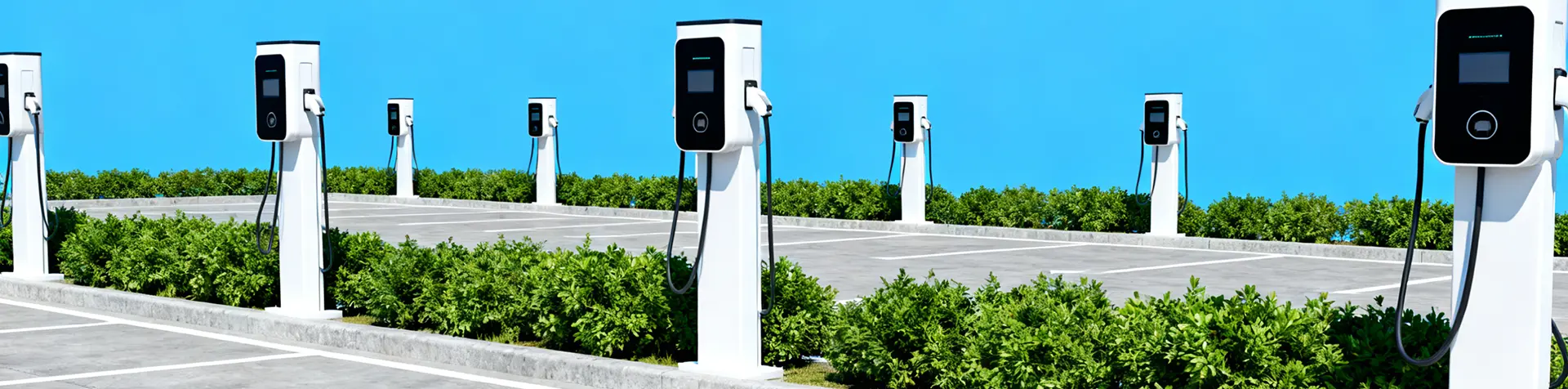
Public stations, serving numerous vehicles daily and exposed to outdoor conditions, require more frequent and comprehensive maintenance. Besides standard equipment checks, this includes anti-vandalism inspections, cleaning of touchscreens and payment terminals, and inspection/replacement of high-use connector holsters, hooks, and retraction mechanisms. Backend monitoring must continuously track network connectivity and payment system functionality. For DC fast chargers, higher power output demands more complex maintenance—technicians must regularly check coolant levels and circulation pump status in liquid-cooling systems, perform stricter electrical tests on high-voltage DC modules, and periodically clean power modules and replace air filters to ensure sustained high-power output without overheating-induced derating or shutdown.
For fleet charging, maintenance scheduling should align with vehicle operating hours, preferably conducting checks during overnight downtime to ensure all vehicles are ready for next-day service. Beyond charger inspections, load management systems must be tested to keep charging costs within budget, and redundancy checks should ensure that single-device failures do not disrupt overall fleet operations. Scientific preventive maintenance minimizes the risk of vehicles being unable to charge due to equipment faults, thereby protecting logistics and operational efficiency.
EV charging stations are not only essential support infrastructure for new-energy vehicles but also critical electrical-system components whose operating status directly affects safety, efficiency, and service life. By establishing a scientific maintenance regime—including routine visual inspections, cleaning, electrical testing, software upgrades, and performance verification—potential faults can be identified and eliminated early, preventing downtime and safety hazards from connector wear, cable aging, cooling anomalies, or communication failures. For residential users, consistent daily checks and periodic professional inspections meet most needs; for public stations, commercial facilities, and fleet operations, a more comprehensive management system integrating remote monitoring, preventive maintenance, and on-site inspection is required. As charging infrastructure continues to evolve toward greater intelligence, networking, and higher power capacity, the combination of hardware maintenance and software management will become an increasingly important trend. Ongoing maintenance efforts not only improve equipment reliability and charging efficiency but also reduce repair costs, extend service life, and provide users with safer, more stable, and more efficient charging services.