Banner

EV Charging Cable

Electric vehicles are only as convenient as their charging setup. Choosing the wrong cable can mean wasted time, limited charging access, or even safety risks. The right EV charging cable must match both your car's charging port and the connector of the charging station.

EV Charging Cable Product List
8 results

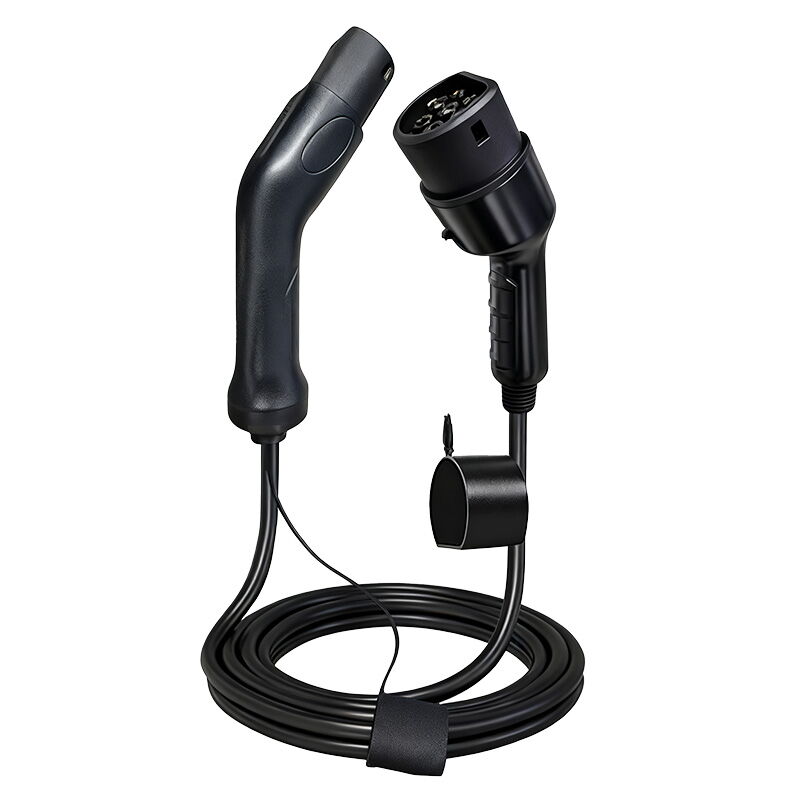
AC EV Charging Cable, IEC 62196-2 Type 2, 16/32 A, 110-240 V
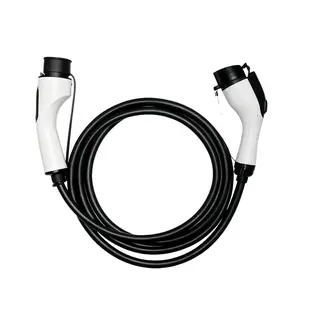
Our China AC EV Charging Cable Factory produces robust 5-meter charging cables designed for AC EV chargers. These cables comply with the IEC 62196-2 (Type 2) standard, ensuring compatibility with a wide range of electric vehicles. They support single-phase power at 50/60 Hz, with a voltage range of...
EV Charging Cable

OEM EV Charging Cable, 250 V/480 V, 16/32 A, GB/T to Type 1
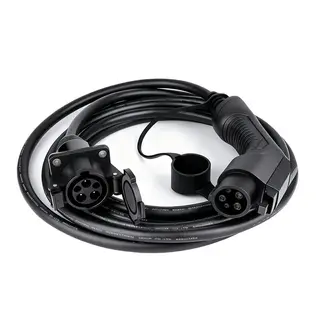
Our OEM EV Charging Cable Plant in China specializes in producing high-quality custom charging cables for electric vehicles. These cables offer a versatile 7 kW charging capacity, supporting both 250 V and 480 V systems, with current ratings of 16 A and 32 A. They feature a GB/T to Type 1 plug configuration,...
EV Charging Cable

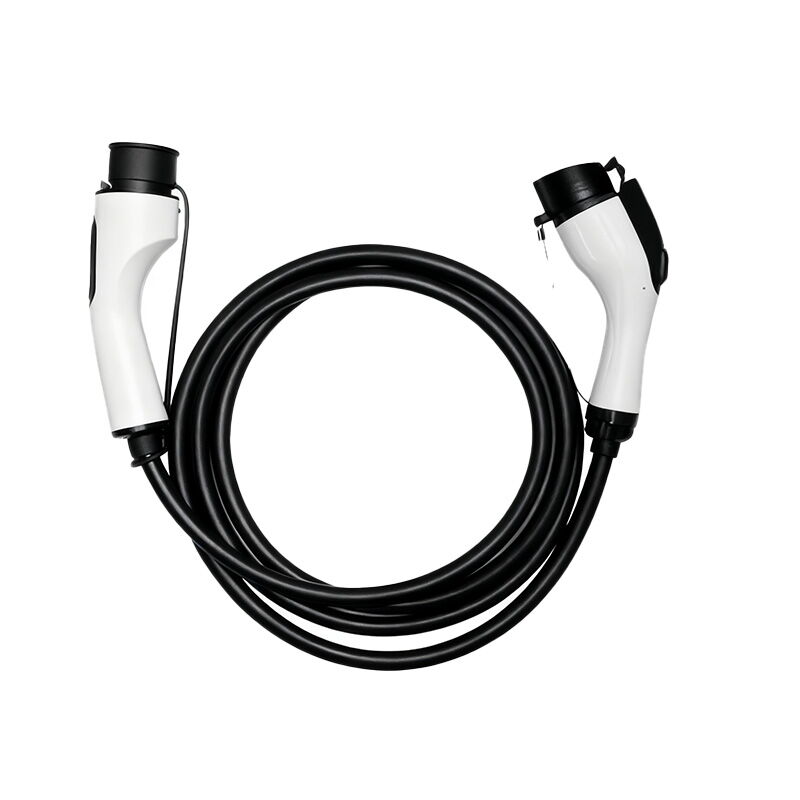
Type 1 EV Charger Cable, SAE J1772, 3.5/7 kW, 16/32 A, IP67
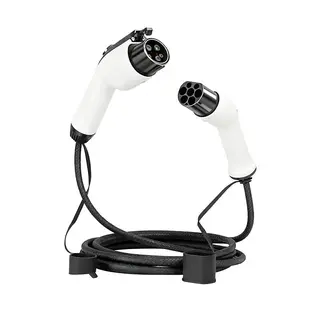
The IEC 62196-2 EV Charging Cable Supplier offers a high-quality solution for electric vehicle charging. This cable is designed with a 5-meter length, providing flexibility and convenience for users. It features a Type 1 to Type 2 connector, ensuring compatibility with a wide range of EVs. The cable...
EV Charging Cable

IEC 62196-2 EV Charging Cable, 16 A / 32 A, Type 1 to Type 2
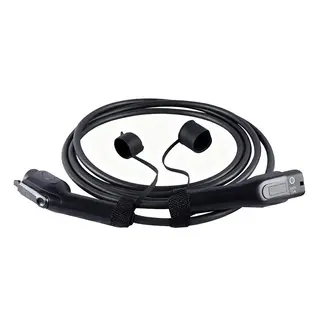
The IEC 62196-2 EV Charging Cable Supplier offers a high-quality solution for electric vehicle charging. This cable is designed with a 5-meter length, providing flexibility and convenience for users. It features a Type 1 to Type 2 connector, ensuring compatibility with a wide range of EVs. The cable...
EV Charging Cable

Type 2 EV Charging Cable, IEC 62196-2, Three Phase, 16 A, 5M

The Type 2 EV Charging Cable is a high-quality solution for electric vehicle charging. Compliant with the IEC 62196-2 standard, this cable features a three-phase connection with a current capacity of 16 A and a voltage rating of 480 V. It comes with Type 2 connectors on both ends, ensuring compatibility...
EV Charging Cable

Three Phase EV Charging Cable, 32 A, 480 V, Type 2 to Type 2
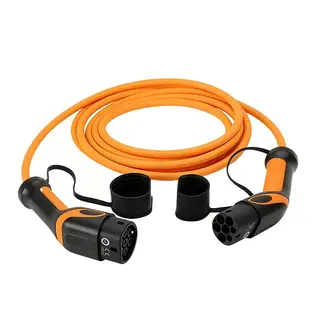
The Three Phase EV Charging Cable is a high-performance solution for electric car charging. This 5-meter cable supports a powerful 32 A current and a 480 V voltage, enabling faster charging times. It features Type 2 to Type 2 connectors and complies with the IEC 62196-2 standard. The cable is designed...
EV Charging Cable

16 A EV Charging Cable, 250 V, 5 Meters, Type 2 to Type 2
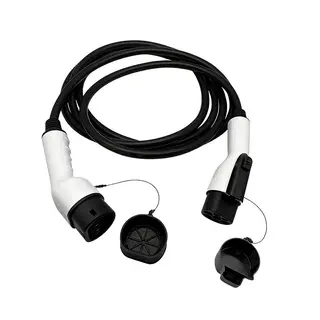
The 16 A EV Charging Cable is a reliable solution for single-phase electric vehicle charging. This 5-meter cable features a 250 V rating and Type 2 to Type 2 connectors, adhering to the IEC 62196-2 standard. It offers robust durability with an IP55-rated cable and IP54-rated connectors, ensuring protection...
EV Charging Cable

Single Phase EV Charging Cable, 32A, 230V AC, Type 2 to GB/T
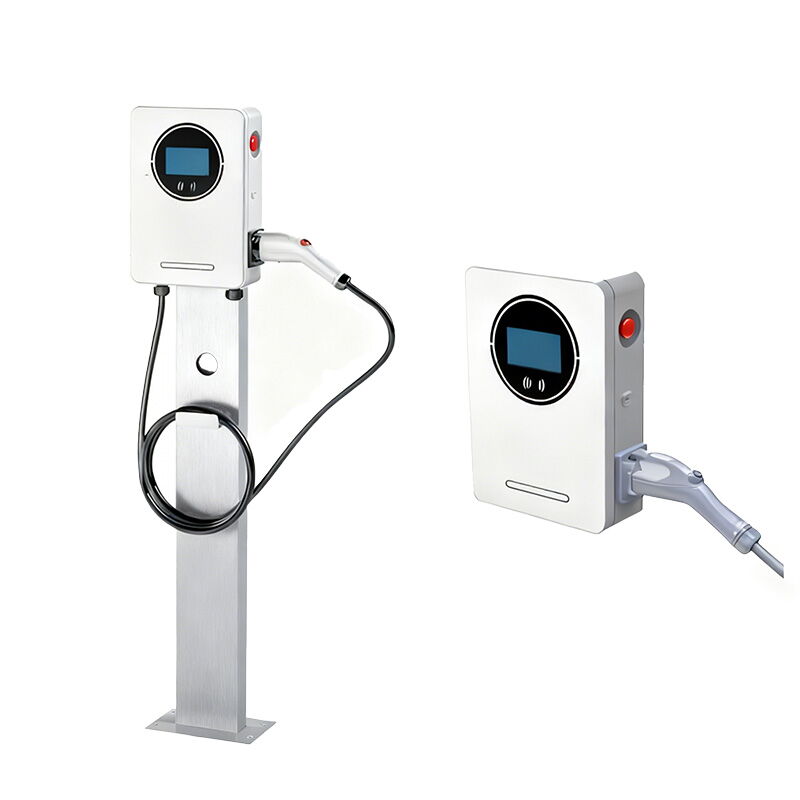
The Single Phase EV Charging Cable Supplier offers a high-quality, 5-meter charging cable designed for electric vehicles. This cable features a Type 2 plug on one end and a GB/T plug on the other, ensuring compatibility with a wide range of EVs. It supports a maximum current of 32A and operates at 230V...
EV Charging Cable
Total 8 Records, 12 records per page
On this page

Why the Right Cable Matters

Most of the confusion around EV charging comes from the wide variety of plug types, cable modes, and country-specific standards. In Europe, a Mode 3 cable with a Type 2 plug is standard, while in North America, drivers typically use Type 1 or CCS plugs. Understanding these differences helps you charge safely and efficiently.

Cable Types and Modes

EV charging cables fall into clear categories:

Mode 2 – Connects to a regular home socket through a control box. Used mainly for emergencies or low-power charging (up to 3.7 kW).

Mode 3 – Designed for wallboxes or public charging stations, supporting up to 22 kW AC. This is the most common cable type in Europe.

DC Fast Charging – Available at public stations with fixed cables (CCS, CHAdeMO, Tesla), offering up to 350 kW.

Structure and Materials

Though they may look simple, EV charging cables are engineered for durability and safety.

Copper wiring ensures excellent conductivity.

Insulation layers protect against shock and overheating.

Outer jackets made from rubber or thermoplastic resist weather, heat, and wear.

Voltage Compatibility

EV cables are built to match regional voltage systems:

Europe: 230V (Mode 2), 230/400V (Mode 3).

US: 120V/240V (Mode 2 and 3).

DC charging: 400V+ globally.

Built-in converters inside the vehicle manage these voltages, but the cable itself must be suited to the system for safe operation.

Cable Length

Cable length affects both convenience and efficiency.

Standard range: 4–10 meters.

Common choice: 5–7 meters for typical home and public charging.

Longer than 10 meters: may cause energy loss or overheating.

Do You Need to Bring Your Own Cable?

Home charging: almost always requires your own cable.

Public AC chargers (Europe): many do not include cables, carry a Mode 3 cable.

DC fast chargers: always include fixed cables.

Tesla Superchargers, Ionity, Electrify America: provide built-in cables.

Safety Note: Extension Cords

Using extension cords for EV charging is not recommended. They can overheat, drop voltage, or cause fire hazards. Only use certified EV cables designed for high loads.