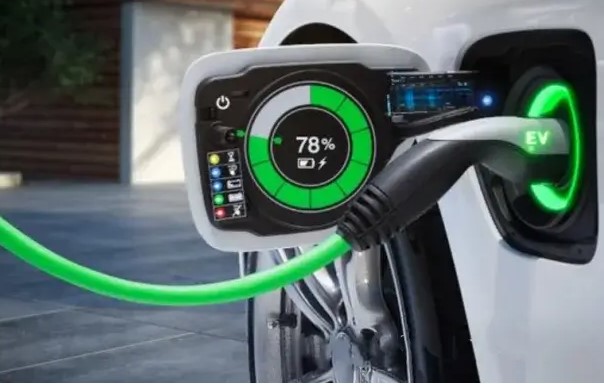
With the rapid advancement of electric vehicle charging technology, vehicles are no longer just transportation tools; they have evolved into mobile energy terminals. The discharge function, as an important innovation in EV Charging, is transforming how people use their vehicles and consume energy. This article provides a detailed introduction to the working principles, technical types, and practical application scenarios of EV discharge functions, helping readers gain a thorough understanding of this highly practical feature.
The discharge function refers to the ability of a new energy vehicle equipped with this feature to output the electrical energy stored in its battery through a dedicated interface to power external electrical devices. Simply put, it turns the vehicle into a large power bank that can not only charge itself but also supply electricity to other equipment.
To understand the discharge function, it is first necessary to understand the charging and discharging paths of NEVs. The charging process mainly includes two methods:
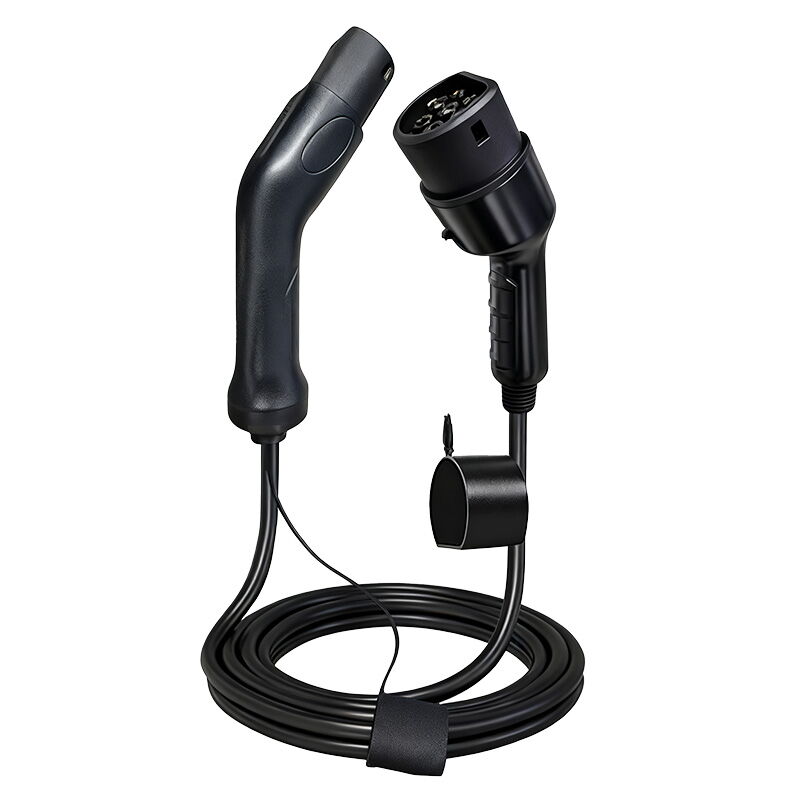
The discharge process is essentially the reverse of charging. Taking AC discharge as an example, the DC power stored in the battery pack passes through the DC/DC converter and is then inverted into AC power by a bidirectional onboard charger (OBC). Finally, electricity is delivered to external devices through the AC charging port and a discharge gun.
For DC discharge, the battery pack outputs DC power directly through the DC fast-charging interface via the DC/DC converter, and an external inverter converts it into AC for device use.
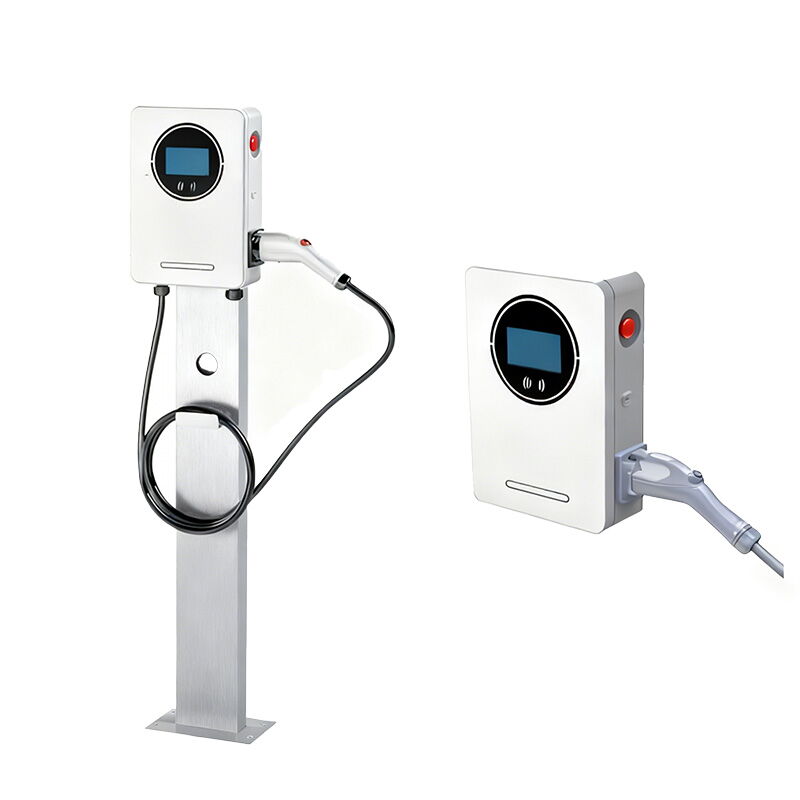
The onboard charger (OBC) plays a critical role here. A unidirectional OBC only allows the grid to charge the vehicle, whereas a bidirectional OBC supports both charging and reverse AC output. This explains why some vehicles can use a simple discharge gun, while others require expensive inverter equipment.
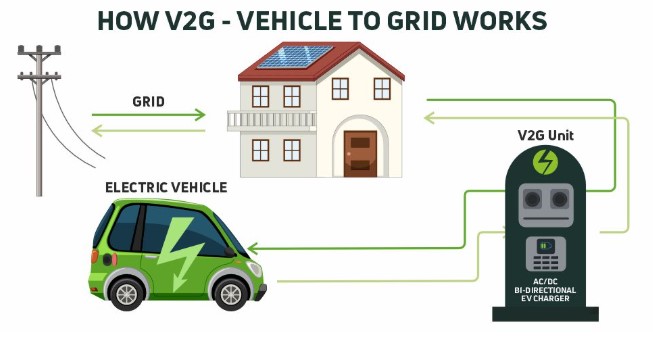
Based on output power type and application scenarios, EV discharge functions are generally divided into AC discharge and DC discharge. In practical applications, they are commonly categorized into four modes: V2L, V2V, V2H, and V2G. Here, “V” stands for Vehicle, “2” is the phonetic equivalent of to, and the final letter represents the specific usage scenario.
V2L refers to a vehicle discharging power to external loads, often marketed as a “mobile power station” or “camping power mode.” It is currently the most widely used and commonly installed discharge type.
From a market perspective, V2L has become standard in many NEVs. For example, a wide range of BYD models support this feature, including the compact Seagull. Other mainstream brands such as Li Auto, XPeng, and GAC Aion have also integrated it into their vehicles.
Technical Implementation:
Vehicles equipped with a bidirectional OBC can directly convert the battery's DC power into AC within the car. Users only need a V2L discharge gun power strip or socket to access 220V AC power. Since the vehicle handles the inversion process, the discharge accessories serve purely as transmission components and are relatively inexpensive, typically costing around one to two hundred yuan.
Power Range:
V2L output typically ranges from 2kW to 6kW, sufficient for most household appliances:
2kW: electric kettles, rice cookers, induction cookers
3–4kW: small air conditioners, space heaters
6kW: multiple appliances simultaneously, ideal for camping or outdoor picnics
However, not all NEVs support V2L. Some models, such as Tesla vehicles with unidirectional OBCs, lack reverse output capability through the AC port. Others, like many battery-swapping models from NIO, remove the onboard charger entirely and do not include an AC charging interface. These vehicles require a dedicated DC V2L discharge inverter.
DC V2L draws power from the DC charging port and converts it into AC through an external inverter, usually delivering 2–6kW. Due to the required modules, these inverters are less common and more expensive, typically priced between 12,000 and 30,000 yuan.
V2V allows one NEV to charge another and is often promoted as “vehicle mutual assistance” or “car-to-car charging mode.” Unlike V2L, which mainly outputs AC power, V2V primarily provides DC output.
The greatest value of V2V lies in emergency rescue situations. When another EV is stranded due to a depleted battery, a vehicle with V2V capability can quickly supply power, eliminating the need to wait for a tow truck. This “vehicle-to-vehicle rescue” significantly enhances convenience and reliability.
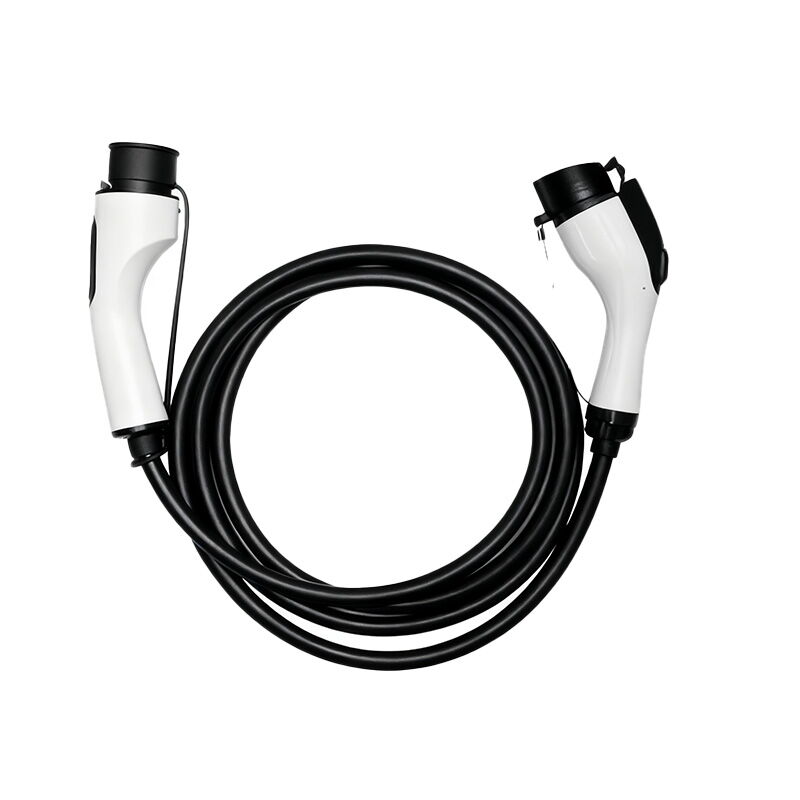
Only a limited number of models currently support V2V because it requires a more advanced electrical system. It also requires a dedicated V2V charging gun, and high-power charging may need a V2V charger roughly the size of a desktop computer case, typically costing over 10,000 yuan.
Technical Parameters:
V2V outputs power through the DC fast-charging port, similar to DC V2L but with much higher output, usually 5kW to 50kW or more.
Examples include:
Xiaomi SU7 Max: supports 6kW V2V
Geely Radar Horizon: supports 15kW V2V
NIO (with integrated charger): supports 40kW V2V
Zeekr 001 and Zeekr 007: support up to 60kW, enabling rescue charging speeds comparable to commercial DC fast chargers, replenishing significant power in about half an hour
V2H enables a vehicle to provide electricity to a home. This mode primarily targets users with private parking spaces, such as those living in detached houses, and requires external high-power residential inverters and distribution equipment.
The main application is in areas with unstable power supplies. When the grid fails or voltage fluctuates, the vehicle can serve as a backup power source to maintain essential household electricity.
In practice, V2H is often combined with residential solar energy storage systems. During the day, solar panels generate electricity; some is used directly, while surplus power charges the vehicle. At night or during outages, the vehicle releases stored energy alongside home batteries, expanding total capacity and extending supply duration, achieving a “1+1 > 2” effect.
V2H has seen extensive adoption overseas, particularly in Europe and the United States, where detached homes are common and grid infrastructure may be older. As demand for reliable power grows in domestic villa communities and rural housing, V2H is gradually gaining traction.
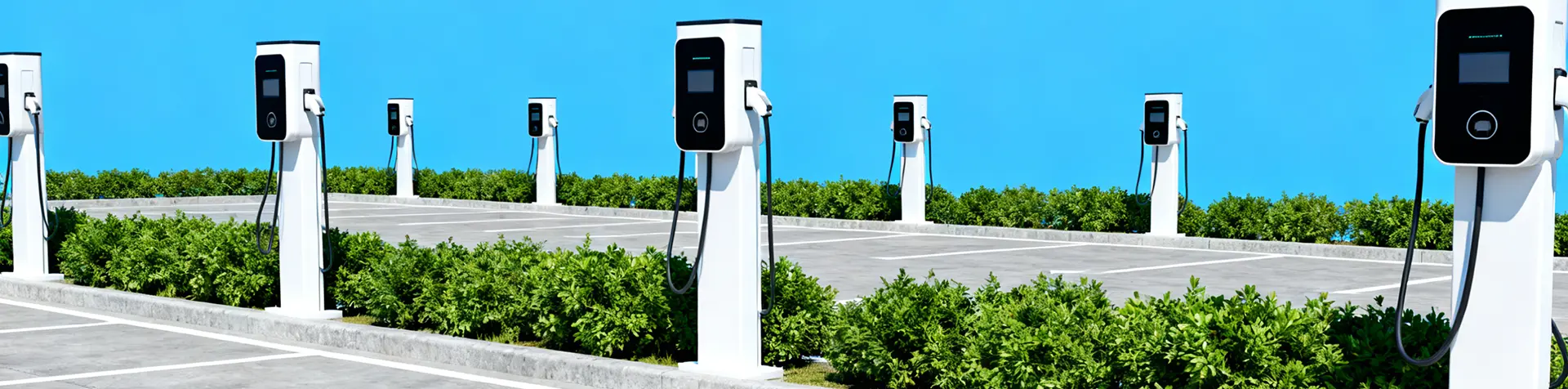
V2G is the most technically demanding and complex discharge application. In addition to vehicle compatibility, it requires a bidirectional charging station capable of both charging and discharging.
Unlike V2H, which powers only a household, V2G connects directly to the public grid, allowing vehicles to participate in peak-load regulation.
Hardware Requirements:
V2G charging stations support two-way power flow, delivering electricity from the grid to the vehicle and returning stored energy when grid resources are tight, effectively providing flexible distributed storage.
Economic Value:
The financial benefit comes from peak–valley electricity price differences. For instance, NIO launched a 20kW V2G charger in 2023. With a 75kWh battery, exporting electricity during peak hours could generate about 22.5 yuan, assuming a price difference of 0.3 yuan per kWh. Another example reported by Xinhua News Agency showed a 15kW V2G charger achieving a 0.9 yuan price spread per kWh, exporting nearly 30kWh in 1.5 hours earned the owner roughly 30 yuan.
From a grid perspective, each EV becomes a distributed energy storage unit. Owners can charge during off-peak hours and sell electricity back during peak demand, generating income while helping stabilize the grid and reducing the need for additional peak-generation infrastructure.
The emergence of discharge functions has significantly expanded the role of NEVs, transforming them into multifunctional mobile energy platforms.
Outdoor Recreation: V2L acts as a powerful portable energy source for road trips, camping, and even street vending. Users can cook, boil water, watch movies via projectors, run fans, or charge cameras, drones, and laptops without worrying about power access. Vendors can operate lighting, payment devices, and small refrigerators, reducing operating costs.
Emergency Assistance: V2V enables rapid charging for stranded vehicles, allowing owners to provide timely help to friends, family, or even strangers, particularly valuable in remote areas or on highways.
Household Security: V2H ensures stable electricity during outages caused by storms or other disasters, supporting lighting, communication, and refrigeration. When combined with home storage, it forms a complete residential microgrid.
Energy Internet Participation: V2G integrates EVs into smart grids, allowing owners to earn income through demand response programs without affecting daily driving needs.
Although highly practical, safe use requires attention to several factors:
Power Matching: Understand your vehicle's maximum discharge capacity and avoid running multiple high-power devices simultaneously.
Battery Management: Discharge consumes battery energy, plan usage carefully to ensure sufficient range and set reasonable protection thresholds to preserve battery life.
Equipment Quality: Purchase certified discharge guns and inverters from reputable manufacturers to ensure proper insulation and overload protection.
Environmental Conditions: Protect interfaces from water in rainy or snowy weather and prevent cables from being crushed or creating tripping hazards outdoors.
Regulatory Compliance: Grid-connected functions such as V2G must comply with local utility regulations, consult the power company before installation.
The EV discharge function represents a major innovation in the electrification era, transforming stationary energy storage into flexible mobile power and creating tangible value for users. From the outdoor convenience of V2L to the emergency support of V2V, from the household security of V2H to the energy connectivity of V2G, discharge technology is redefining the relationship between vehicles and energy.
For consumers, it is worth considering discharge capabilities when purchasing an EV. Outdoor enthusiasts should prioritize V2L; homeowners with energy storage needs may focus on V2H compatibility; and those interested in participating in the energy internet can choose V2G-ready models. As technology becomes more widespread and costs decline, discharge functions are poised to become standard features, delivering greater convenience and value to a growing number of users.