Comparison of CHAdeMO and CCS EV Charging Systems
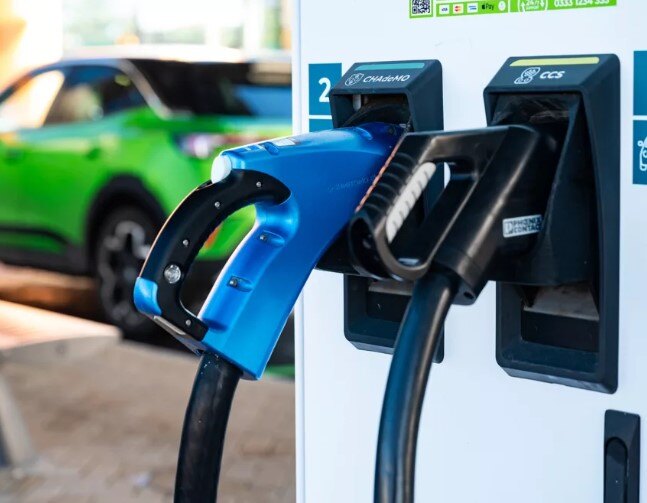
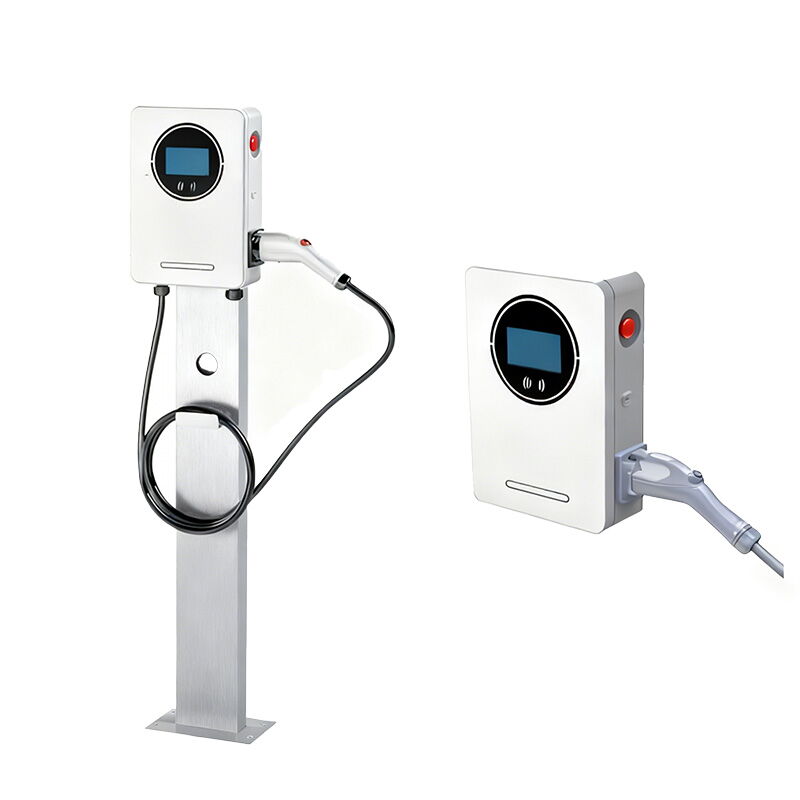
As electric vehicles (EVs) rapidly proliferate worldwide, charging standards have become a key factor affecting the daily user experience. Different ev charging standards directly determine which charging stations a vehicle can use, influencing charging speed, convenience, and future compatibility. Understanding the differences between mainstream charging standards is practically significant for consumers preparing to buy EVs, current EV owners, and operators engaged in building charging infrastructure.
Currently, there are two major competing standards in the global DC fast-charging field: CHAdeMO and CCS (Combined Charging System). CHAdeMO was jointly developed in 2010 by Tokyo Electric Power Company and Japanese automakers, and it is one of the earliest widely applied DC fast-charging solutions. CCS, promoted by European and American automakers, integrates AC slow charging with DC fast charging into a single interface. This article systematically introduces these two standards from a practical usage perspective, covering their working principles, technical features, and applicable scenarios, to help readers make more informed decisions during car purchase and usage.
Before diving into the comparison between CHAdeMO and CCS, it is necessary to understand the basic methods of EV charging. In general, charging methods can be divided into AC charging and DC charging.
AC charging converts alternating current from the grid into direct current through the onboard charger and then stores it in the battery. In the North American market, AC charging is usually divided into two levels:
- Level 1 charging: Uses a standard household 120V outlet, adding approximately 3–5 miles of range per hour.
- Level 2 charging: Requires a dedicated 240V circuit, adding approximately 12–25 miles of range per hour.
Actual charging speed is limited by the onboard charger’s power. Most EVs have onboard chargers ranging from 3.3 kW to 11 kW. Common AC charging interfaces include North America’s J1772 and Europe’s Type 2, suitable for residential and commercial scenarios.
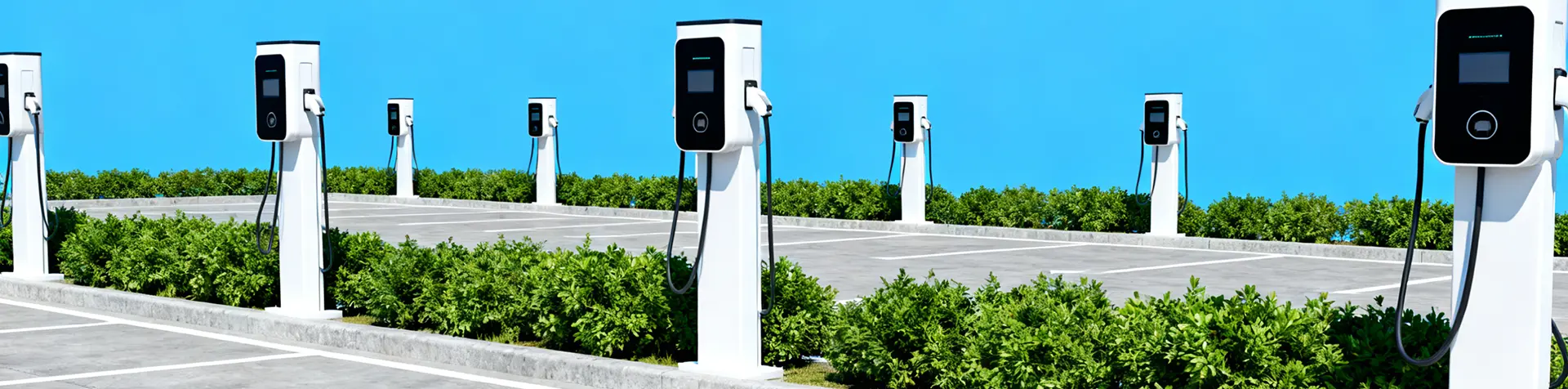
DC charging bypasses the onboard charger and supplies power directly to the battery, usually with power ranging from 50 kW to 350 kW, significantly reducing charging time. The main DC fast-charging standards currently include CHAdeMO, CCS, and China’s GB/T. DC fast charging is more suitable for public charging scenarios, especially for mid-journey top-ups during long-distance travel.
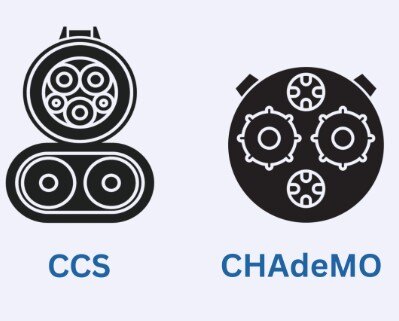
CCS (Combined Charging System) is currently the mainstream EV fast-charging standard in European and American markets. Its core design feature is that the same charging interface supports both AC slow charging and DC fast charging, which is why it is called “Combined.”
CCS is promoted jointly by BMW, Volkswagen, Ford, General Motors, and other European and American automakers to establish a relatively unified charging solution across different markets. Currently, there are two main forms:
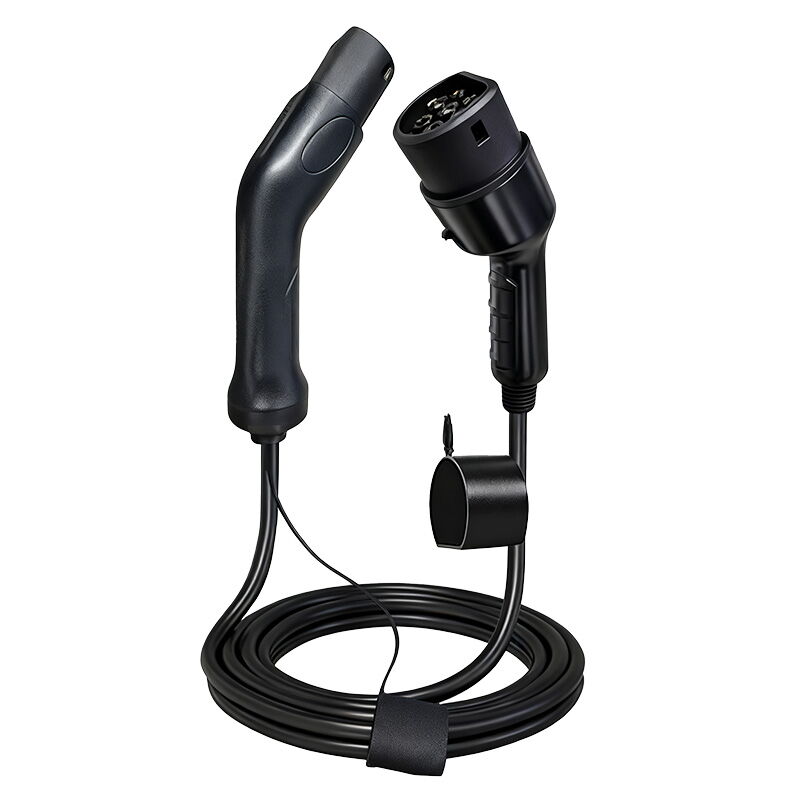
- CCS1: Mainly used in North America, adding two DC pins to the J1772 AC interface.
- CCS2: Widely used in Europe and other regions, based on the Type 2 AC interface with integrated DC pins.
This design allows vehicles to use ordinary AC charging at home while also accessing high-power DC fast charging at public stations, all through a single port, covering multiple charging scenarios.
CCS supports charging power typically ranging from 50 kW to 350 kW or higher. Actual charging speed depends on the charging station’s output, the vehicle’s own performance, and battery condition. Due to its widespread adoption in Western markets, most newly launched Western-brand EVs are equipped with CCS interfaces, and the expanding CCS fast-charging network makes long-distance travel more convenient.
CCS communicates with the vehicle system through power line communication (PLC), allowing the vehicle battery management system to actively participate in the charging process. This communication enables the charging station to obtain real-time battery status information, optimizing the charging curve to improve safety and efficiency.
CHAdeMO is a Japanese DC fast-charging standard launched in 2010. Its name comes from the Japanese phrase “tea demo douzo,” meaning that charging can be completed in the time it takes to have a cup of tea. The standard was developed by the CHAdeMO Association, whose members include Tokyo Electric Power Company and the five major Japanese automakers.
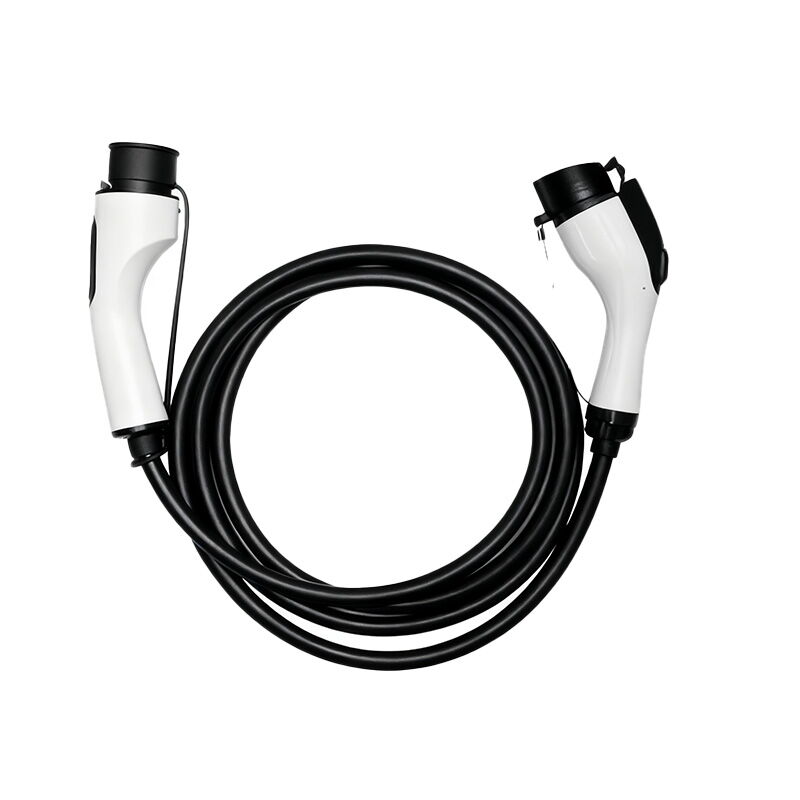
CHAdeMO uses an independent DC connector with a round multi-pin structure. Unlike AC charging, CHAdeMO requires a separate DC charging port reserved on the vehicle. The charging head includes an internal communication and control system that exchanges data with the vehicle via CAN bus, with much of the charging logic completed by external charging equipment.
Currently deployed CHAdeMO chargers have a maximum power of about 62.5 kW, but the latest CHAdeMO 3.0 specification supports higher power. CHAdeMO chargers typically charge an EV from 0% to 80% in about 30–40 minutes, with specific times affected by battery capacity, temperature, and environmental conditions.
CHAdeMO is compatible with various vehicle types, including passenger cars, buses, and two-wheel EVs. Typical models equipped with this interface include the Nissan Leaf and some Mitsubishi EV models. Since Japan began deploying relevant infrastructure earlier, CHAdeMO charging stations still maintain a certain distribution density worldwide, especially in Asian markets.
CHAdeMO and CCS differ significantly in connector design, communication method, charging capability, and regional adoption, all of which directly affect the daily user experience.
CCS integrates AC and DC charging into a single interface, allowing the vehicle to use one port for both slow and fast charging. This simplifies vehicle structure and reduces operational complexity for users. CHAdeMO, on the other hand, uses a separate DC interface, meaning CHAdeMO-equipped vehicles usually have at least two charging ports (one for AC and one for DC).
In terms of pin count, CCS usually has 7 pins, while CHAdeMO has 9. More pins allow CHAdeMO to integrate more complex communication and power transmission functions.
CHAdeMO exchanges data with the vehicle via CAN bus, a protocol widely used in automotive electronics. CCS uses PLC, transmitting data signals through the charging cable itself. Both methods differ in technical implementation but achieve safe coordination between the charger and the vehicle.
In practice, CCS widely supports 150–350 kW high-power fast charging, with some ultra-fast stations providing even higher current. In contrast, currently deployed CHAdeMO chargers typically provide about 62.5 kW. Although the CHAdeMO 3.0 specification theoretically supports higher power, infrastructure development has not fully kept pace with the standard upgrade.
CCS has become the mainstream standard in Europe and North America, and almost all new EVs sold in these markets are equipped with CCS interfaces. CHAdeMO remains centered in Japan and maintains influence in some Asian markets, commonly found on Japanese-brand EVs such as Nissan and Mitsubishi. For users frequently traveling across regions, understanding the dominant charging standard at their destination is very important.
- Charging Time Comparison: CHAdeMO chargers typically charge an EV from 0% to 80% in about 30–40 minutes. CCS, supporting higher power output, can achieve the same charge in 15–30 minutes under ideal conditions. For long trips and frequent fast-charging scenarios, CCS’s time advantage is more apparent.
- Factors Affecting Charging Efficiency: Actual charging efficiency depends not only on the standard itself but also on multiple factors. Battery temperature is a key variable; charging speed drops significantly in low temperatures. Battery state-of-charge also affects the charging curve, with most batteries charging faster when low and slowing down near full capacity. Additionally, the station’s actual output may differ from nominal power, so users should pay attention to real-time output.
- Everyday Usage Suitability: Overall, CHAdeMO’s charging efficiency meets daily commuting and conventional use needs, especially for early models adopting the standard. Users prioritizing high-power fast charging or frequent long-distance driving will find CCS more attractive in practical experience.
Vehicle-to-Grid (V2G) technology is an important development direction in EV charging, enabling vehicles to not only draw power from the grid but also return stored energy when needed.
CHAdeMO is currently the only protocol providing full bidirectional charging for mass-produced EVs. With compatible CHAdeMO chargers, owners can return energy to the grid during peak periods or emergencies. V2G technology effectively turns the EV into a mobile energy storage unit, with potential value in grid peak regulation.
The CHAdeMO-supported bidirectional charging ecosystem is expanding, with more than 20 V2G chargers available globally and over 10,000 installed devices, with Japan having the highest deployment density. Power output ranges from 6 kW to 40 kW. Several automakers offer CHAdeMO vehicles with V2G functionality, and the CHAdeMO Association has established a complete certification system to ensure compatibility and safety between different EVs and V2G devices.
Although the CCS specification theoretically supports bidirectional charging, actual implementation is slower, and V 2G functionality is currently less mature than CHAdeMO. For users who prioritize V2G as an important factor, CHAdeMO currently holds a clear advantage.
For ordinary consumers, choosing a charging standard primarily depends on several practical factors.
First, confirm the type of charging interface supported by the vehicle. Most newly launched Western-brand EVs use CCS, while some Japanese-brand models are still equipped with CHAdeMO. When purchasing, it is essential to clearly understand the vehicle’s supported charging standard, as this directly affects subsequent convenience in usage.
The density and availability of charging stations are important considerations. If CCS dominates in the area or along frequently traveled routes, choosing a CCS-compatible vehicle is more convenient. Conversely, if CHAdeMO stations are well distributed along common routes, users need not worry excessively.
For users primarily commuting within cities or occasionally taking short trips, CHAdeMO’s charging speed is sufficient. For frequent long-distance travel or reliance on high-speed highway fast-charging networks, CCS’s high-power advantage is more apparent.
If users wish to leverage the EV’s storage capacity to interact with the grid or require backup power functionality, CHAdeMO is currently more mature in V2G applications and represents a more practical choice.
CHAdeMO and CCS, as the two mainstream DC fast-charging standards, each have distinct technical features and market positioning. CCS, with its flexible dual AC/DC functionality, single-port design, and high-power fast-charging capability, has become the mainstream standard for new models in Western markets, suitable for long-distance travel and frequent fast-charging scenarios, with continuously expanding charging network coverage.
CHAdeMO, relying on a mature technological foundation, leading V2G bidirectional charging capability, and widespread compatibility in the Asian market, remains an important option for vehicles equipped with this interface, especially for daily commuting and applications supporting bidirectional grid interaction.
For EV owners, understanding the differences between these standards and their applicable environments helps optimize charging planning and enhance travel experience. For charging station operators and policymakers, keeping track of technological development trends and regional market characteristics provides an important basis for infrastructure planning. With the continuous advancement of EV technology and the ongoing improvement of charging infrastructure, both standards will continue to play a significant role within their respective applicable scenarios.