Complete Guide to CHAdeMO Standard for EV Charging
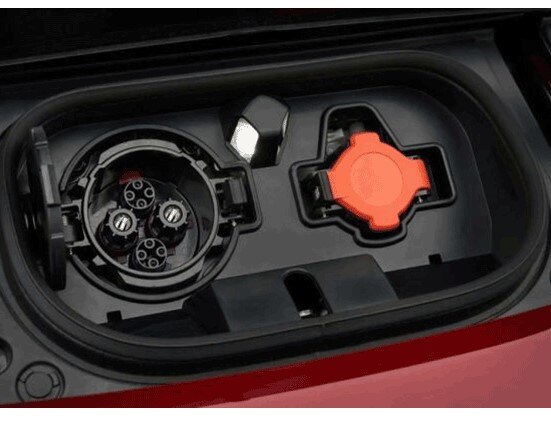
As electric vehicles (EVs) become increasingly popular across Europe, ev charging methods have become an integral part of daily life for car owners. Most people rely on AC home chargers to top up overnight, while DC fast-charging technology enables long-distance travel on public roads. CHAdeMO, one of the earliest DC fast-charging standards, remains widely used in many Japanese-brand EVs. It supports high charging power and offers bidirectional charging capabilities, though it has characteristics such as a proprietary connector and high installation costs for home use. This article provides a comprehensive overview of CHAdeMO chargers, covering technical principles, specifications, home feasibility, differences from CCS standards, and practical usage, helping EV owners determine whether this technology fits their needs.
Before diving into technical specifications and applications, it is essential to clarify the origin of the name CHAdeMO and its position in EV charging technology. Understanding its original design purpose and basic operating principle is fundamental for evaluating home feasibility and comparing it with other standards.
CHAdeMO stands for "CHArge de MOve," reflecting its goal of enabling EV mobility through efficient charging. The name embodies the core objective of the technology: providing a fast and reliable charging solution to allow EV users to complete long-distance trips conveniently. According to the CHAdeMO Association, the name also derives from the Japanese phrase “o CHA deMO ikaga desuka,” meaning “Would you like a cup of tea?”—symbolizing that a typical fast charge takes roughly the same time as enjoying a cup of tea.
CHAdeMO was jointly developed by Japanese companies, including Nissan, Mitsubishi, Toyota, and Tokyo Electric Power Company. Nissan has been a major promoter of CHAdeMO, adopting it in its best-selling Leaf model. Since its introduction in 2010, CHAdeMO has been recognized for reliability and stability, deployed extensively in Japan and Europe, and became one of the early fast-charging standards for EVs.
CHAdeMO belongs to the DC fast-charging (DCFC) category. Its operation relies on delivering direct current (DC) directly to the vehicle battery through a dedicated interface, which differs fundamentally from the alternating current (AC) home charging most EV users are familiar with. In AC charging, the vehicle's onboard charger converts AC to DC before storing energy in the battery. CHAdeMO shifts this conversion to the charger itself, allowing the external charger to output DC directly to the vehicle.
This design has notable implications. External conversion enables higher charging power but results in larger charger size, more complex internal electrical systems, and greater power demand. In Europe, most passenger cars equipped with CHAdeMO typically charge at 40–50 kW. Although the protocol supports higher power, actual charging speed is controlled by the vehicle battery management system (BMS), meaning not all vehicles can reach the protocol's maximum capacity.
Having understood the concept and operation of CHAdeMO, a natural question arises: how fast can it charge, and will it remain compatible with future EVs? Answering this requires examining core technical parameters—voltage, current, power—as well as the evolution of CHAdeMO versions over the years.
CHAdeMO specifications have improved over successive versions. Standard versions support up to 500 V DC with a maximum current of 125 A, providing an initial output of 62.5 kW. Advanced versions now support up to 1000 V DC and a maximum current of 400 A.
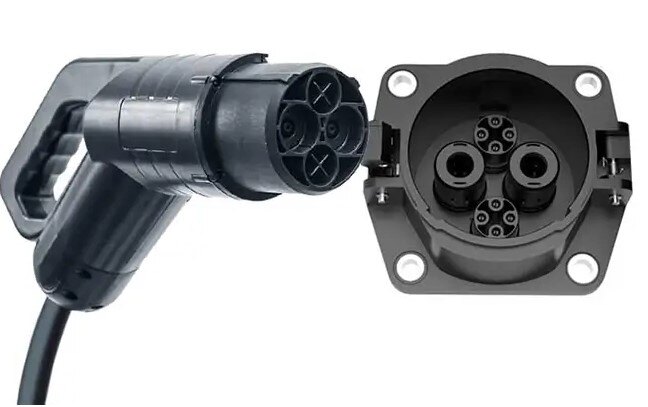
For communication, CHAdeMO uses the CAN (Controller Area Network) protocol to exchange data between the vehicle's BMS and the charging station. The system dynamically adjusts charging parameters based on battery status to ensure safe and efficient charging. Safety features include multiple protective layers, such as electrical isolation, voltage monitoring, and overcurrent protection. The connector's physical design incorporates primary power pins as well as additional pins for communication and grounding, ensuring a reliable connection during charging.
CHAdeMO's power output has increased significantly over time. Early versions offered 62.5 kW. CHAdeMO 2.0 supports up to 400 kW (1000 V, 400 A), drastically reducing charging time. The latest CHAdeMO 3.0 supports up to 500 kW (1500 V, 600 A), further enhancing charging speed and efficiency.
Different power levels correspond to different charging station types. Stations below 20 kW deliver up to 500 V DC and 50 A. 50 kW stations provide 500 V DC at 125 A. 100 kW stations support 500 V DC at 200–250 A, while 150 kW stations offer 500 V DC at 350 A. High-power stations of 400 kW and 500 kW correspond to CHAdeMO 2.0 and 3.0, respectively.
Once the technical parameters are clear, potential EV owners—particularly those with private homes capable of installing chargers—may wonder whether fast-charging CHAdeMO technology can be implemented at home. How feasible is it technically and economically compared to standard AC charging solutions?
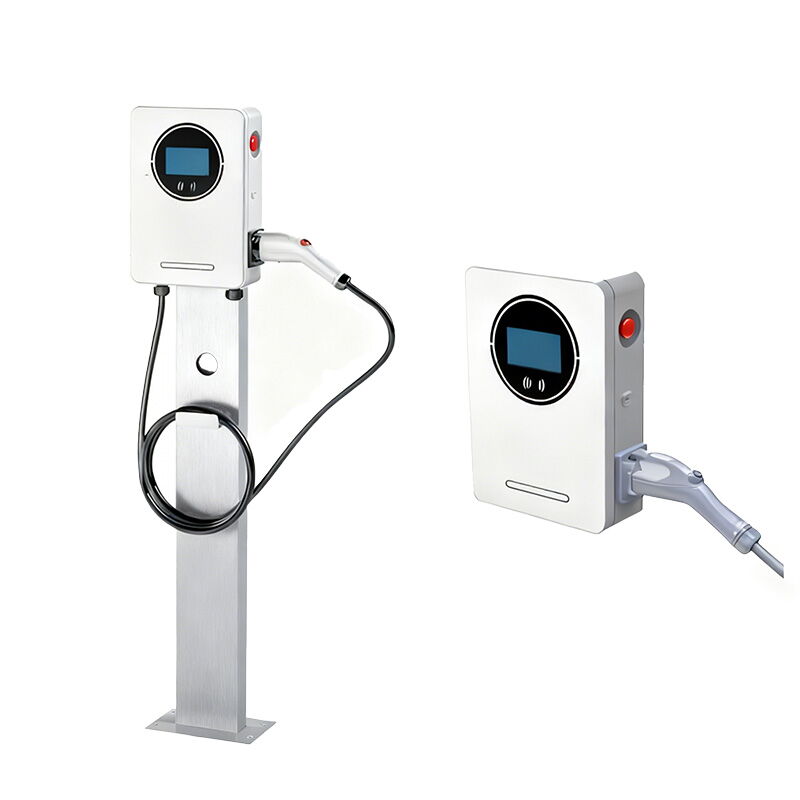
Technically, installing a CHAdeMO charger at home is possible, but whether it is practical requires careful consideration. For most European EV owners, home charging is straightforward: plug in at night and wake up to a full battery. This routine suits AC charging perfectly, explaining the popularity of wall-mounted AC chargers in European homes.
However, CHAdeMO's design differs significantly from AC home charging. It was intended for time-sensitive scenarios where power infrastructure can handle sustained high loads. Residential electrical systems typically cannot accommodate continuous DC fast charging.
Even a 50 kW DC charger demands far more power than a residential AC charger. A typical 11 kW AC wall charger draws about 16 A per phase, whereas a 50 kW DC charger may require several times that current. This often necessitates significant electrical upgrades, including three-phase power, enhanced safety systems, and possibly an upgraded grid connection.
When considering a home CHAdeMO charger, costs include both the device and installation. The charger itself is expensive due to internal power electronics and cooling systems. Installation can be even costlier, involving electrical upgrades, new wiring, protective systems, and construction work. Costs vary widely depending on the existing electrical layout and extent of required modifications. In homes with adequate power and short cabling, costs may be manageable; otherwise, infrastructure upgrades can dominate the expense.
Home installation of CHAdeMO chargers is typically justified only when charging speed directly impacts daily use, such as frequent long trips, tight charging windows, or multiple EVs sharing a single charger. For standard overnight charging, AC solutions remain more practical. CHAdeMO should not be seen as a mere upgraded wall charger but rather as compact DC public infrastructure for high-speed charging.
In Europe, CHAdeMO vehicles still exist, particularly Japanese imports, so some owners may consider home installation. The decision depends on CHAdeMO's performance, power demand, and whether the benefits justify the investment. For most households, AC wall chargers remain the more economical and convenient option, while CHAdeMO serves specialized scenarios.
Beyond fast-charging capabilities, CHAdeMO supports bidirectional charging, a feature ahead of many contemporary standards. This transforms EVs from energy consumers to potential energy resources within the power grid.
CHAdeMO supports Vehicle-to-Grid (V2G) technology, allowing vehicles not only to draw energy from the grid but also to feed energy back. As a high-power DC standard, CHAdeMO's bidirectional capability is one of its defining features.
During charging, the vehicle connects to the station via the CHAdeMO connector. Charging begins automatically, while communication lines monitor the process. The bidirectional function adds an energy feedback channel, enabling stored battery energy to flow back into the grid.
V2G can provide energy storage, grid load balancing, and emergency backup during power outages. It optimizes the use of renewable energy while stabilizing the electricity system. When grid demand is high, EVs can supply energy; when demand is low and renewable generation is abundant, EVs store surplus energy.
V2G significantly enhances energy management capabilities, making EVs more than just transport devices—they become integral to smart grid systems. CHAdeMO supports both V2G and Vehicle-to-Home (V2H) applications, enabling higher bidirectional power than AC Type 2 interfaces. However, DC bidirectional chargers are expensive, and AC standards are expected to dominate European homes.
For European EV users, a practical question is the difference between CHAdeMO and the CCS fast-charging standard. When facing charging stations with multiple connectors, understanding the differences in interface design and market adoption is crucial.
CHAdeMO and CCS are the two main public DC fast-charging standards in Europe. CHAdeMO is dedicated to DC fast charging, so vehicles still require a second AC interface for slow charging (3 kW from household outlets, ~7 kW from wall chargers, up to 22 kW from industrial AC chargers).
CCS (Combined Charging System) integrates AC and DC charging into a single interface, allowing a single connector to support multiple modes. This more integrated approach has led manufacturers to adopt CCS widely. Almost all new EVs in the UK use CCS, including the Nissan Ariya and Tesla Model 3 (replacing Tesla's proprietary Supercharger port).
CHAdeMO is primarily used by Nissan, Lexus, and Mitsubishi vehicles, such as the Leaf, Toyota Prius Plug-in, Mitsubishi Outlander PHEV, and Lexus UX 300e. Some vehicles without CHAdeMO ports, like Tesla Model S and X, can use adapters.
CHAdeMO's proprietary connector ensures safe high-power charging but requires adapters to use non-CHAdeMO stations. In Europe, although CHAdeMO still serves existing vehicles, new fast-charging infrastructure favors CCS. Most rapid chargers now offer both CHAdeMO and CCS ports to accommodate diverse vehicles.
For CHAdeMO vehicle owners, practical knowledge of locating chargers and using them safely is essential. This involves recognizing connector design, using charging maps, and understanding vehicle compatibility.
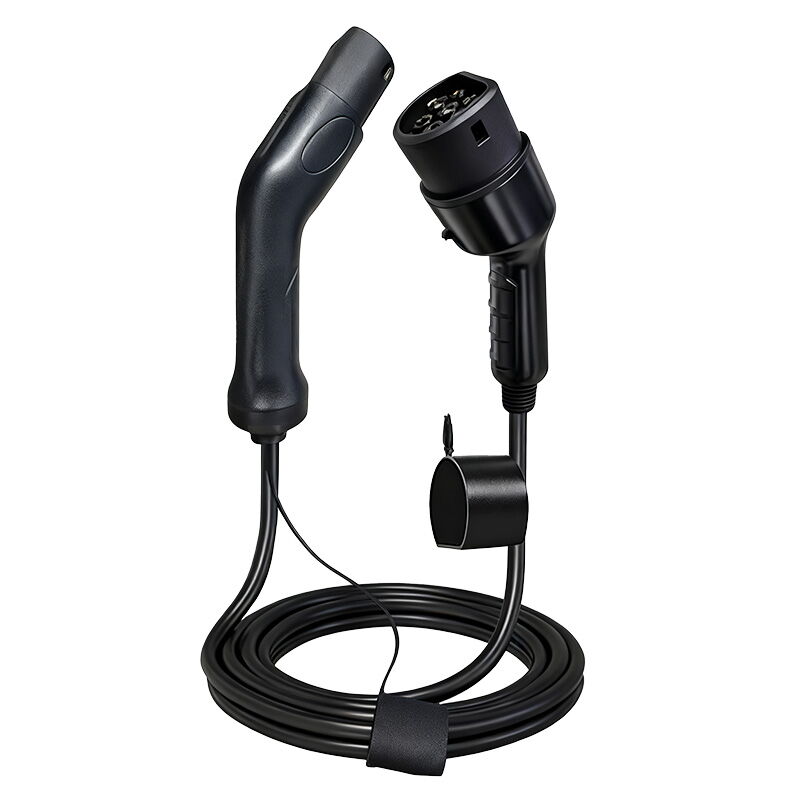
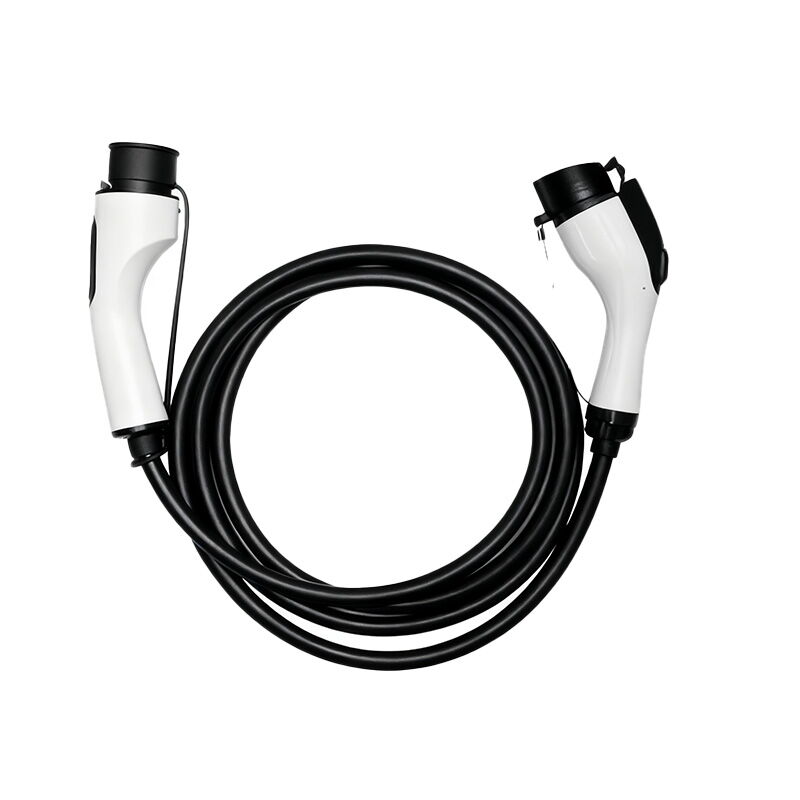
CHAdeMO uses a distinct connector. At modern rapid or ultra-rapid public chargers, a blue handle identifies the CHAdeMO port. Apps like Zapmap display connector symbols resembling the port front. CHAdeMO's symbol is a large circle with four smaller circles inside, whereas CCS is a large circle with a diamond overlay. Apps indicate availability and maintenance status.
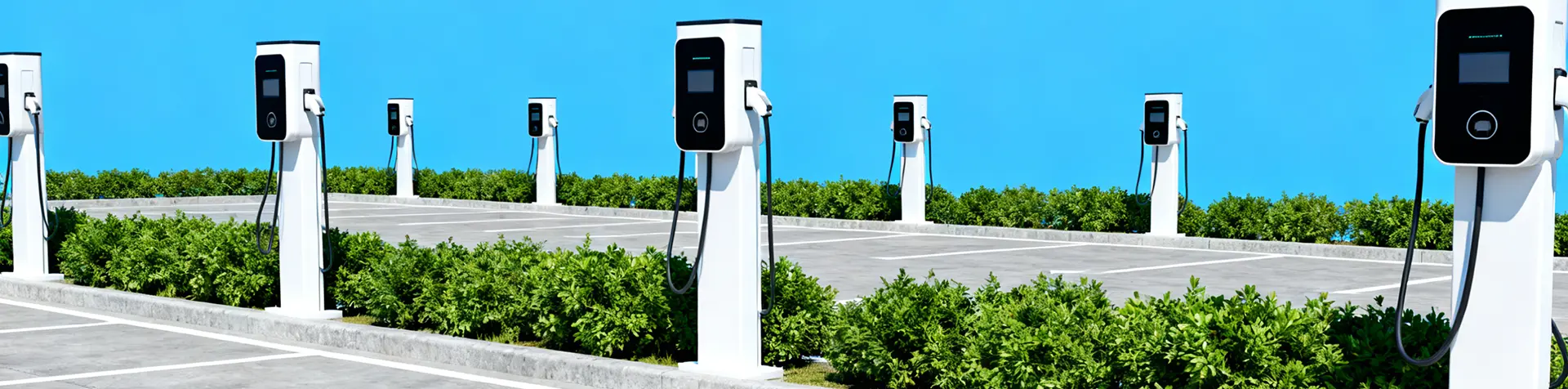
Rapid chargers provide up to 50 kW to quickly increase range, while ultra-rapid chargers can offer 150 kW for compatible vehicles. Although CHAdeMO theoretically supports 400+ kW, most UK chargers are rated 50 kW, except new Gridserve Electric Highway chargers (50 kW CHAdeMO, 100 kW high-power ports).
Actual charging speed depends on the vehicle BMS, not the charger's rating. Like CCS, CHAdeMO is a smart connection system, communicating with the vehicle before supplying high-voltage DC to ensure safe operation, even in rain.
CHAdeMO is designed for high-power DC, rarely seen in home wall chargers. EV batteries store DC, so high-current DC flows directly to the battery without onboard AC-DC conversion. CHAdeMO is among the earliest charging interfaces, developed in the early 21st century by Japanese industry and automakers, ensuring mature and reliable technology.
CHAdeMO played a key role in the early development of DC fast charging. By providing external DC conversion, it enabled rapid charging and bidirectional energy flow, supporting energy management and smart grid integration. However, its proprietary design, high power requirements, and equipment costs limit home applications.
For most EV owners, AC charging remains the primary home solution, while CHAdeMO is better suited for public fast-charging or specialized scenarios. With CCS increasingly dominant in new infrastructure, CHAdeMO's share in Europe is gradually decreasing. Nonetheless, existing CHAdeMO vehicles and chargers continue to serve users. When choosing a charging solution, owners should consider vehicle compatibility, driving habits, and infrastructure conditions to make informed decisions.