Level 2 vs. Level 3 EV Charging: Which One Is You Choice
When choosing an electric vehicle (EV) charging method, ev charging speed is one of the most important factors to consider. Different charging levels create significantly different user experiences, directly affecting daily commuting efficiency, long-distance travel convenience, and overall charging costs. In practical use, the choice of ev charging level often determines how seamlessly an electric vehicle can integrate into everyday life.
This article focuses on the core differences between Level 2 ev charging and Level 3 ev charging, and provides a detailed analysis of their charging speed, installation requirements, operating costs, application scenarios, and how to make a rational decision based on real-world needs.
To understand the difference between these two charging methods, the most important starting point is their fundamental gap in charging speed.
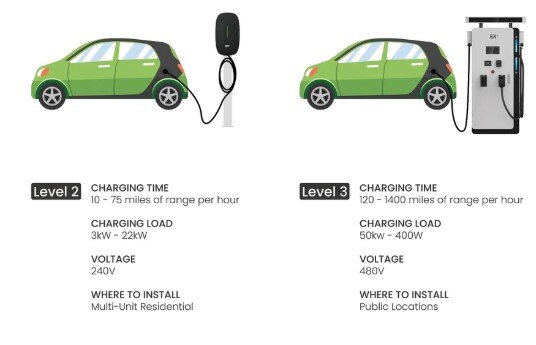
Level 2 charging typically adds around 40 to 60 kilometers of driving range per hour. In contrast, Level 3 charging can deliver up to 300 kilometers of range in just 30 minutes. This dramatic difference does not only affect convenience—it fundamentally changes how electric vehicles are used in daily life.
With Level 2 charging, the vehicle is generally expected to remain parked for several hours, making it suitable for overnight or workplace charging. Level 3 charging, however, is designed for rapid energy replenishment during short stops, such as highway rest breaks or quick commercial stops.
Beyond charging speed, the differences also extend to infrastructure requirements and system complexity. Level 2 chargers typically operate on standard 230V or 400V AC power, which is widely available in residential and commercial buildings. This makes installation relatively simple and cost-efficient. On the other hand, Level 3 charging systems require dedicated high-voltage infrastructure and significantly higher electrical capacity. Although more expensive, they deliver performance that closely resembles the refueling speed of traditional gasoline vehicles, greatly improving long-distance usability.
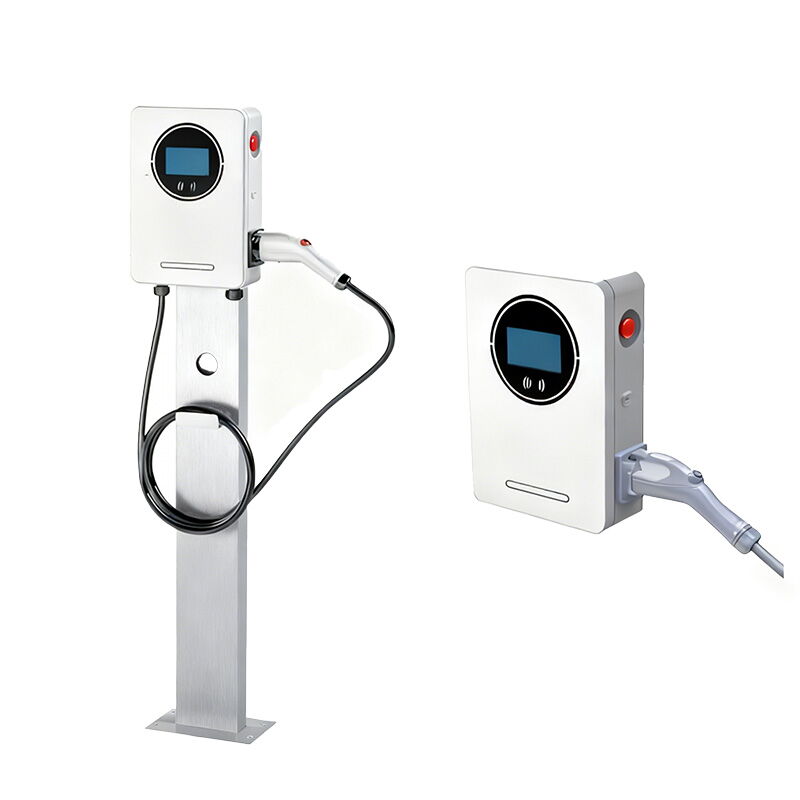
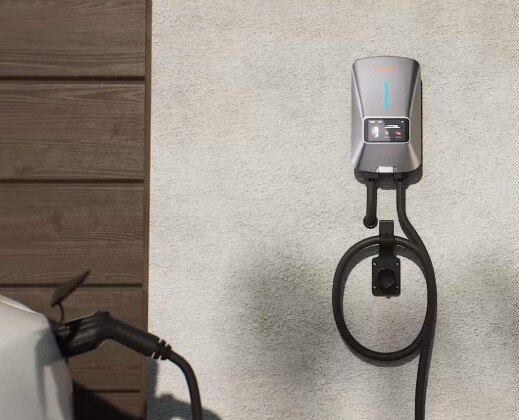
Level 2 charging is currently the most widely adopted EV charging method, especially in residential and workplace environments. It strikes a balance between cost, speed, and practicality.
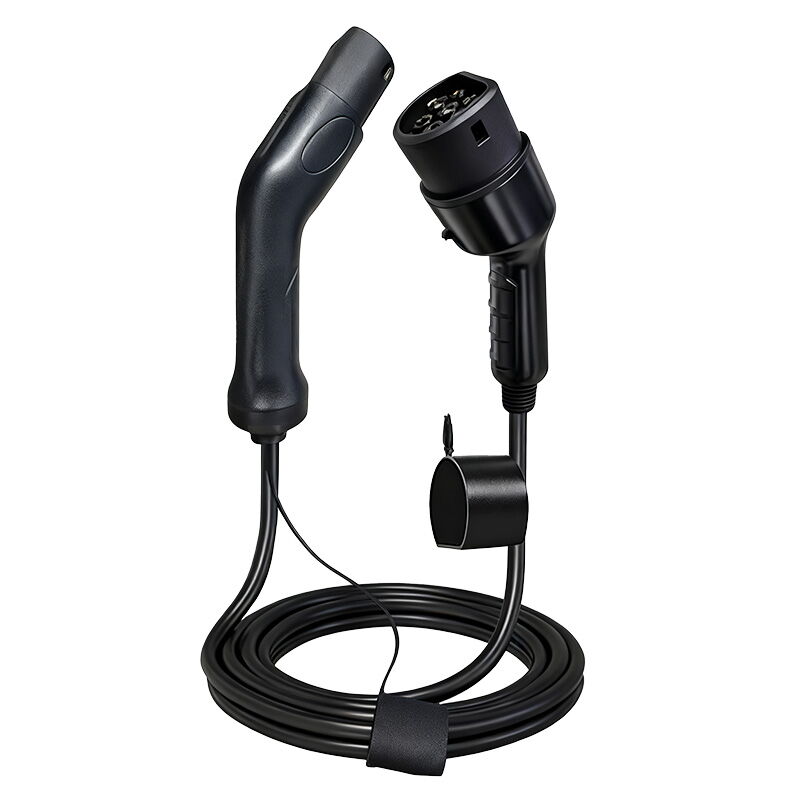
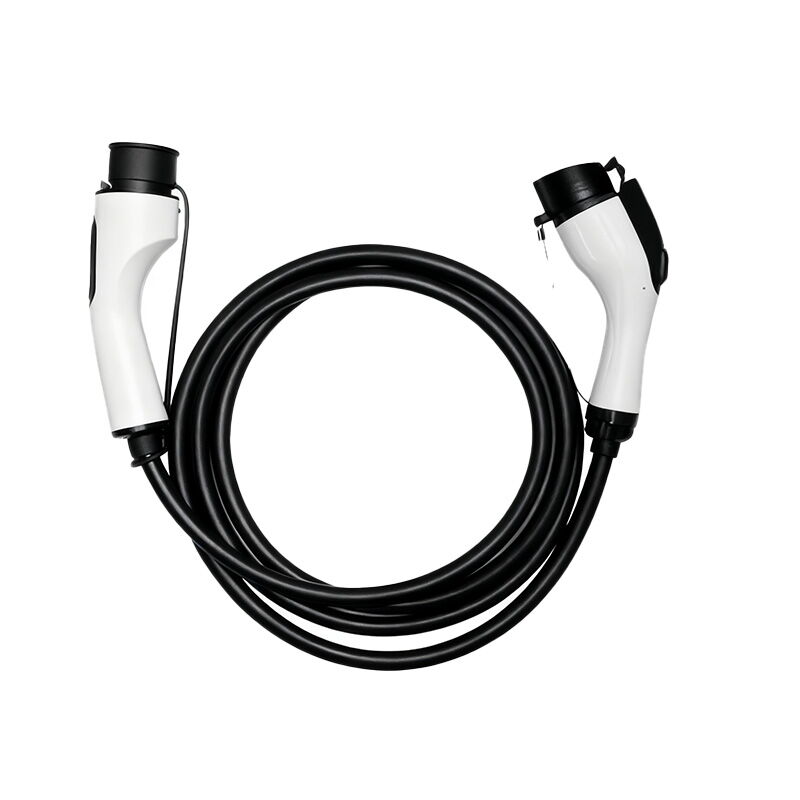
Level 2 charging generally provides between 7 kW and 22 kW of AC power through standardized charging interfaces. Compared to Level 1 charging, this represents a significant improvement in efficiency and usability.
Under normal conditions, a full charge from near empty typically takes around 4 to 8 hours. This duration aligns naturally with everyday parking patterns—such as overnight home charging or full-day workplace parking—making it highly practical for routine use.
The biggest advantage of Level 2 charging is its balance between cost and convenience. Because it uses standard electrical infrastructure, installation is relatively straightforward and does not require major upgrades in most cases. This keeps both installation and maintenance costs low.
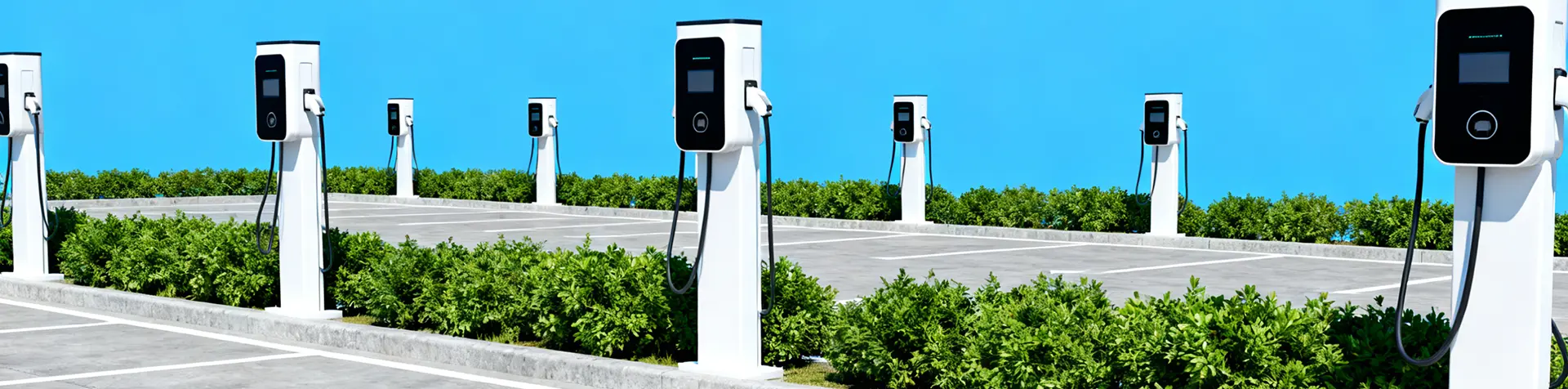
Another important advantage is accessibility. Level 2 charging can be installed in residential garages, apartment parking areas, office buildings, hotels, and public parking lots. This flexibility makes it the backbone of daily EV charging infrastructure in many regions.
Despite its advantages, Level 2 charging has a clear limitation: speed. Since it requires several hours for a full charge, it is not suitable for situations where vehicles need to be quickly replenished and returned to the road.
In long-distance travel scenarios, especially on highways, Level 2 charging becomes less practical. Drivers cannot afford long waiting times during travel breaks, which is where faster charging solutions become necessary.
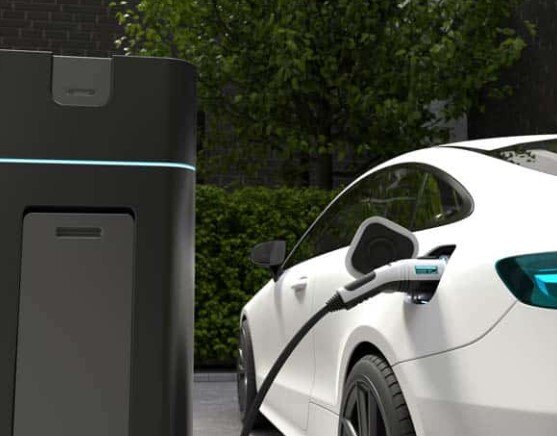
Level 3 charging, commonly referred to as DC fast charging, is designed to minimize downtime and maximize energy delivery in a short period.
Unlike Level 2 systems, Level 3 charging delivers direct current (DC) electricity directly to the vehicle’s battery. This bypasses the onboard charger, which is typically a limiting factor in charging speed.
As a result, Level 3 chargers can achieve much higher power outputs, usually ranging from 50 kW to 350 kW. This allows them to charge vehicles at a significantly faster rate than AC-based systems.
Level 3 charging represents the most advanced segment of current EV charging technology. It integrates high-voltage systems, intelligent thermal management, and real-time power control to ensure safe and efficient charging.
In many real-world scenarios, Level 3 charging can raise a battery from near empty to around 80% in approximately 20 to 40 minutes. This makes it possible for drivers to charge their vehicles during short breaks, such as grabbing coffee or taking a rest during a long trip.
This level of performance significantly enhances the practicality of electric vehicles for intercity and long-distance travel. It also supports commercial applications such as fleet operations and public transportation systems, where minimizing downtime is critical.
The difference between Level 2 and Level 3 charging becomes much more obvious when analyzed under real-world time conditions.
- 30 minutes: Level 2 adds about 20 to 30 km, while Level 3 can add up to 300 km
- 1 hour: Level 2 provides 40 to 60 km, while Level 3 can fully charge most EVs
- 2 hours: Level 2 adds 80 to 120 km, while Level 3 often completes a full charge long before the time ends
- Full day: Level 2 can fully charge one vehicle, while Level 3 can serve multiple vehicles sequentially
This clear speed gap directly defines their usage environments. Level 2 charging is best suited for destination charging, where vehicles are parked for extended periods. Level 3 charging is designed for fast turnaround scenarios such as highways, commercial hubs, and long-distance travel routes.
Beyond speed, cost is another key factor that strongly influences charging system selection.
Level 2 charging is considered an affordable entry-level solution. The charger itself typically costs between €500 and €2,000, while installation costs range from €1,000 to €3,000 depending on site conditions.
It requires only standard three-phase power supply, making deployment relatively simple. In public charging environments, pricing usually ranges from €0.30 to €0.50 per kWh, keeping operational costs manageable.
Level 3 charging requires a much larger financial investment. A 50 kW charger typically starts at around €20,000, while high-power 350 kW systems can reach up to €150,000.
Although the upfront cost is high, government subsidies in many regions can significantly reduce investment pressure. In some cases, subsidies may cover up to 40% of total installation costs.
Operating costs are also higher, typically ranging from €0.50 to €0.79 per kWh. This reflects the complexity of high-voltage infrastructure, cooling systems, and advanced power electronics.
Despite higher costs, Level 3 charging offers strong commercial value due to its ability to dramatically reduce waiting times and improve user turnover.
Level 2 charging is ideal for users who have regular access to home or workplace charging. It is cost-effective, reliable, and fully sufficient for daily commuting needs, which typically range between 30 to 50 kilometers per day.
Level 3 charging, on the other hand, is designed for high-efficiency scenarios. It is particularly valuable for long-distance travel, commercial fleets, and users who require rapid energy replenishment within short time windows.
In practice, the most effective strategy is a hybrid approach. Level 2 charging is used for everyday charging at home or work, while Level 3 charging is used for travel or urgent charging needs. This combination ensures both cost efficiency and maximum convenience.
In real-world applications, Level 2 charging is primarily used in long-duration parking environments such as residential areas, office buildings, and hotels. It supports slow but steady energy replenishment over time.
Level 3 charging is better suited for high-turnover locations such as highway service stations, commercial centers, and transportation hubs, where fast charging is essential.
Overall, Level 2 charging excels in affordability and widespread usability, while Level 3 charging excels in speed and operational efficiency. Together, they form a complementary system that supports the full range of electric vehicle usage scenarios.
For most property owners and individual users, Level 2 charging remains the most practical and cost-effective solution. It is easy to install, widely applicable, and sufficient for daily needs. Level 3 charging, while more powerful and commercially valuable, requires significant infrastructure investment and is most suitable for high-traffic or strategically important locations.
Ultimately, Level 2 and Level 3 charging are not competing technologies but complementary components of a complete EV charging ecosystem. Together, they ensure that electric vehicles can be used efficiently in both daily life and long-distance travel.