Complete Guide to Choosing Electric Vehicle Charging Cables
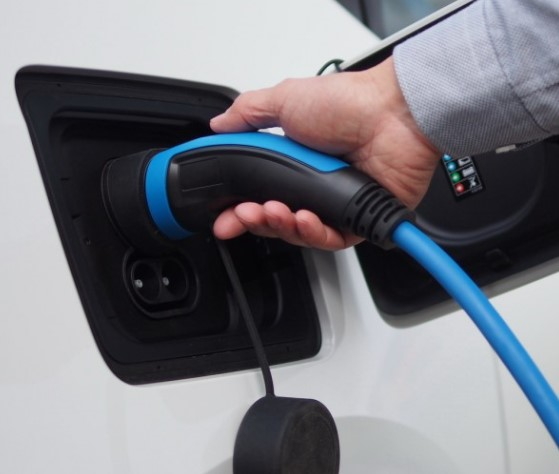
Many electric vehicle (EV) owners often assume that a ev charging cable is just a minor accessory included with the car and doesn't require much thought. While this assumption is common, it is far from accurate. In reality, the charging cable is the crucial connection between your vehicle and the charging station. Using an incompatible or low-quality cable can limit charging speed, cause inefficiencies, or in some cases prevent your vehicle from charging altogether. With a wide range of options available, selecting the right cable can be confusing for many EV owners.
This comprehensive guide will explain how connector type, cable length, current rating, and phase compatibility influence your charging speed and safety. By understanding and matching your vehicle's connector with the ev charger type and your charging requirements, you can not only charge more efficiently but also extend the lifespan of your ev charging cable and ensure a safe, reliable connection every time.
Even though many modern EVs are delivered with a Type 2 charging cable, and some home chargers come with fixed cables, there are several situations in which having your own cable is essential.
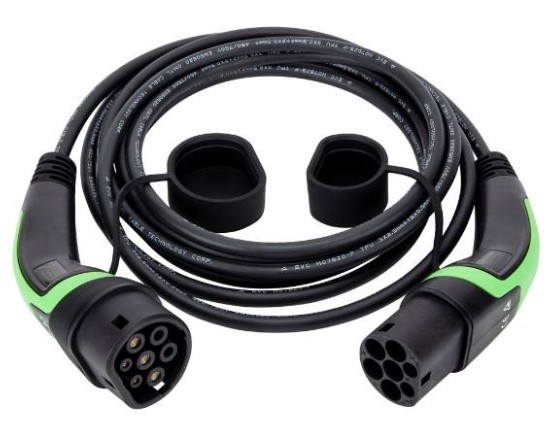
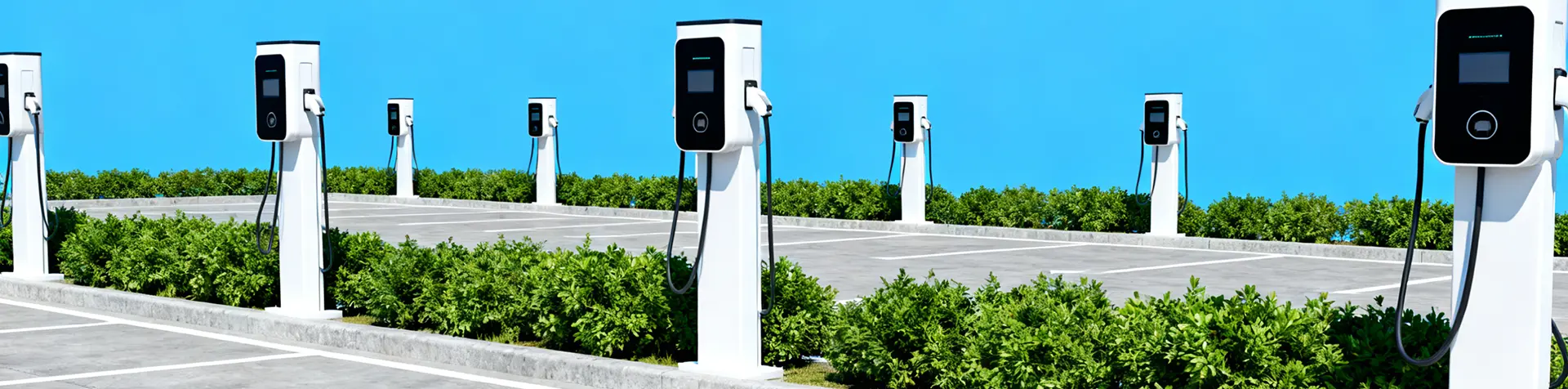
In most regions, public charging stations do not provide a cable. Many Type 2 chargers feature only a socket, requiring the driver to bring their own cable. These stations are commonly found in residential areas, shopping malls, commercial centers, car dealerships, and supermarket parking lots. While the stations are compact and aesthetically neat, they require users to manage the cable themselves. Many drivers arrive at a charging station expecting a cable to be available, only to be surprised and disappointed when the socket is empty.
Some fast DC chargers provide built-in cables for direct connection, making the process extremely convenient. However, these stations are relatively rare. If you rely solely on these chargers, a personal cable may not be necessary. But for standard AC charging stations at home or in public areas, having your own cable is indispensable. Even at paid stations, cables can be missing, misplaced, or temporarily taken by other users, making it necessary to carry a personal backup cable.
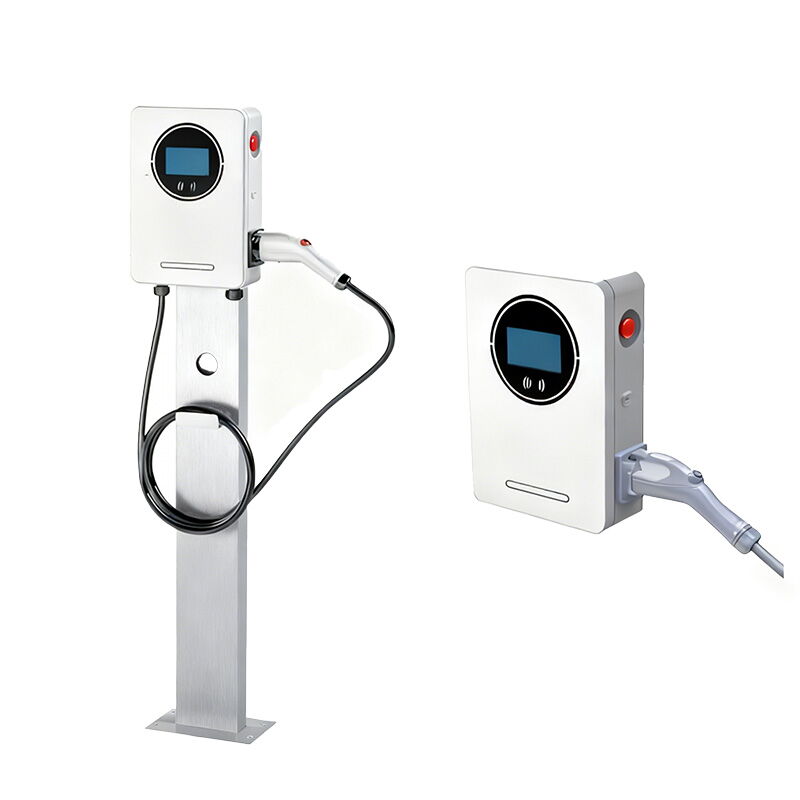
An increasing number of EV owners are installing private charging stations at their homes, particularly in single-family houses and villas. Many homeowners select models without a fixed cable, which are cheaper, occupy less space, and are easier to maintain. Without a personal cable, these chargers cannot be used.
Portable chargers designed to plug into standard household outlets may be included with the vehicle, but not always. If you plan to charge occasionally at home, make sure you have a suitable cable or adapter and ensure that your home wiring can safely handle the load, especially in older buildings.
Many companies, especially in IT, logistics, or industrial sectors, provide employee charging stations as a workplace perk. These stations often operate similarly to public AC sockets and generally include Type 2 sockets without cables. Forgetting to bring a cable may prevent you from charging, or force you to borrow one from a colleague. Keeping a cable in your vehicle avoids dependence on others and saves time, especially if your car is parked at work for extended periods.
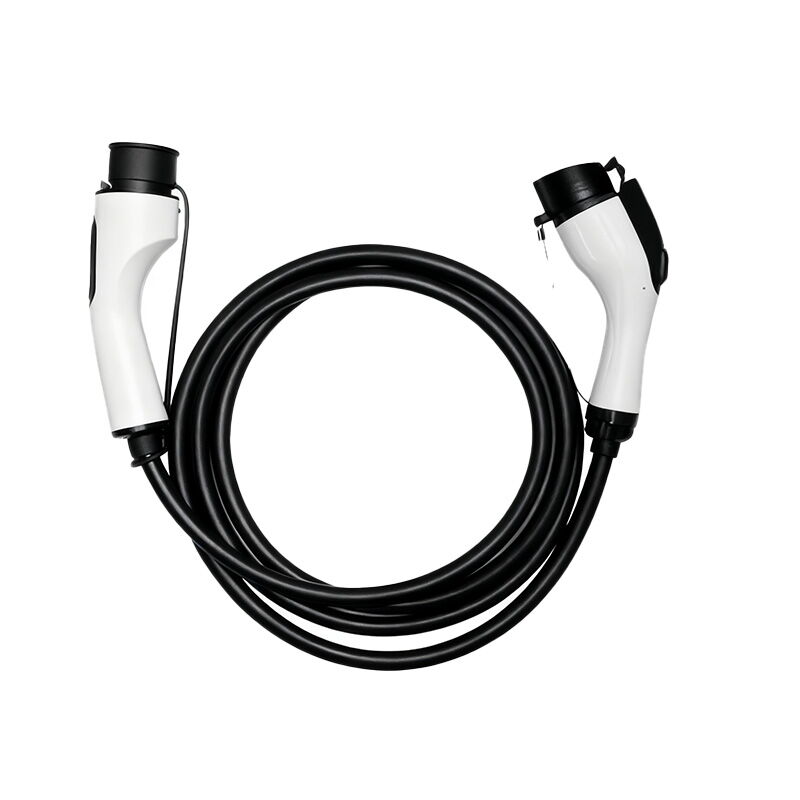
Certain vehicles, particularly imported EVs from outside Europe, use Type 1 connectors. Most European chargers support only Type 2, meaning a direct connection is impossible without an adapter. Not all adapters are safe or reliable, so the best approach is to own a dedicated Type 1-to-Type 2 cable. This investment ensures compatibility and provides peace of mind when charging in public or private stations.
Charging from a household outlet is slow but can be practical in emergencies. For instance, if you are traveling in rural areas where charging stations are scarce or your destination is far, a 220V adapter cable can provide necessary energy. While this method is not intended for frequent use due to risks like overheating from old wiring or poor contact, it can be a lifesaver in emergencies. High-quality cables with built-in safety features are essential for such situations.
Choosing the correct connector type is the first and most critical step in selecting a charging cable. Connector type affects compatibility, charging speed, and safety.
- Type 1 Connector: An older standard predominantly used in US-imported EVs. Typical charging power ranges from 3 to 7 kW, providing roughly 20 kilometers of range in 30 minutes. Type 1 connectors lack a locking mechanism, allowing users to unplug anytime. In Europe, Type 1 chargers are rare, so owners must provide their own cable or rely on adapters.
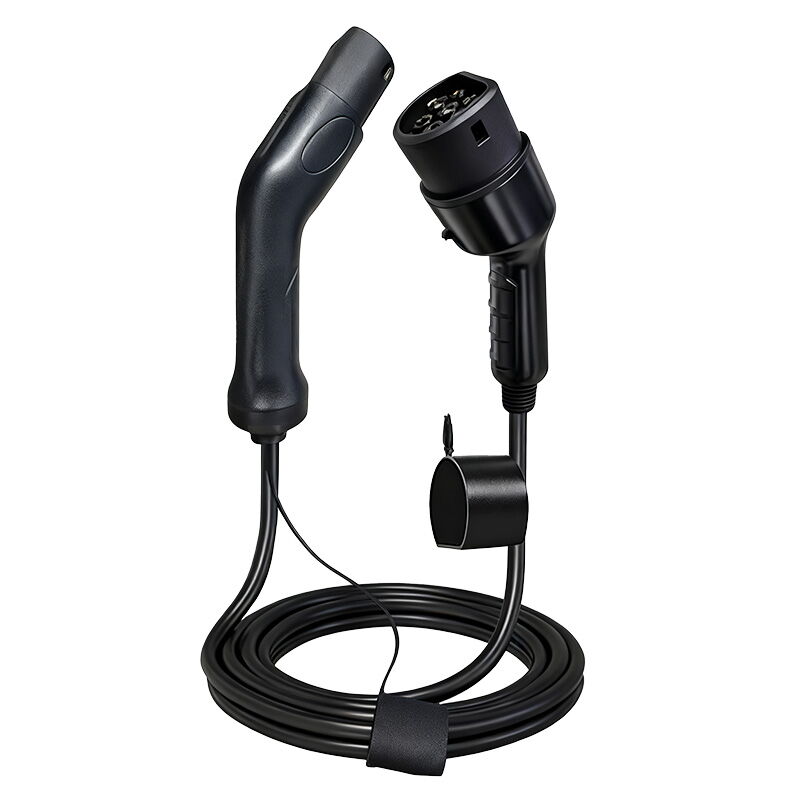
- Type 2 Connector: The modern European standard, supporting 3 to 22 kW AC charging (with some capable of 43 kW). Type 2 connectors provide roughly 100 kilometers of range in 30 minutes and feature a locking mechanism for safe charging. Most home, public, and workplace AC chargers in Europe use Type 2 connectors.
- Connector Compatibility: Type 1 and Type 2 are incompatible without adapters. Ensure your cable or adapter is safe and matches your vehicle's connector type, particularly when charging from household outlets.
Once the connector type is confirmed, the next step is to choose a cable that matches the vehicle's charging power and the electrical phase available. An underpowered cable can limit charging speed, while the wrong phase can reduce flexibility.
- Single-Phase AC: Common in residential areas, providing up to 7 kW. Suitable for standard home charging.
- Three-Phase AC: Available in commercial sites or some workplaces, offering up to 22 kW. Enables faster charging when compatible with the vehicle.
Your vehicle's onboard charger may limit AC input to 11 kW, even if the cable supports higher power. Choosing a three-phase cable adds flexibility for future fast-charging options. Even if your home has only single-phase power, three-phase cables can still be used at lower power levels.
The current rating of a cable (in amperes) directly affects charging speed:
- 16A (3.6 kW single-phase): Slow charging, suitable for plug-in hybrids or overnight charging.
- 32A (7 kW single-phase): Standard for home AC chargers.
- 32A (22 kW three-phase): Suitable for commercial or public fast AC chargers.
Keep in mind that overall charging speed depends on the slowest component of the system: cable, charger, or vehicle onboard charger.
Your cable must meet or exceed the vehicle's maximum AC charging capability. For example:
Nissan Leaf: 6.6 kW max
Jaguar I-Pace: 7.4 kW max
Using a cable with lower capacity will reduce charging efficiency. A 32A cable is recommended for single-phase networks (up to 7.2 kW). Although cheaper 16A cables exist, they will charge even small batteries slowly. Since EV ownership involves significant investment, cutting costs on cables is not recommended.
For long-term use, select a cable rated for your vehicle's maximum onboard charger or higher. Even if your current home supply is single-phase, a three-phase 32A cable will operate at lower power and remain compatible with future fast chargers.
Cable length is critical for convenience and safety. A cable that is too short can make charging cumbersome, while overstretching can damage connectors or create hazards.
Recommended Lengths:
- Short (4–5 m): Ideal for wall-mounted home chargers; compact and low cost.
- Medium (7–7.5 m): Most versatile for public charging; safe, flexible, and easy to store. 7.5 m is considered optimal for most vehicles.
- Long (10+ m): Suitable for public stations with distant connectors; heavier, bulkier, and more expensive.
- Practical Advice: For home charging, a 5 m cable is sufficient. For urban driving or travel, 7–10 m is recommended. Avoid excessively short cables that may be unsafe or impractical in some scenarios.
EV charging cables are critical safety equipment and should not be compromised. High-quality cables ensure durability, safety, and consistent performance, particularly in winter.
Durable insulation and reinforced connectors
Flexible, ergonomic, non-slip, and heat-resistant
Outdoor-rated for waterproof/dustproof use (IP rating)
Certified to CE, UKCA, and IEC 62196 standards
Robust pins and handles, maintaining reliability over thousands of plug/unplug cycles
Cheap cables are often stiff, prone to cracking, brittle in low temperatures, and have poor connector retention. Choosing low-quality or undersized cables makes daily charging inconvenient and potentially unsafe.
Opt for recyclable cables whenever possible. Even the highest-quality cables wear out over time. Low-quality alternatives often lack certification and are difficult to recycle.
- New vs. Used Cars: Most new vehicles come with a Type 2 cable, but used or imported cars may not. Verify this before purchase, as replacement cables can be expensive depending on type, length, and power.
- Dual-Cable Strategy: Some owners keep two cables—one for home use and another in the trunk for public charging. Using storage bags or protective cases prolongs cable life, especially in wet or muddy conditions.
- Public Charging Preparedness: A high-quality cable in your vehicle ensures compatibility and flexibility when using public charging stations.
Choosing the right EV charging cable requires careful consideration of:
- Connector type (Type 1 vs. Type 2)
- Cable power and phase (preferably 32A for single- or three-phase networks)
- Suitable cable length for your usage (5 m for home, 7–10 m for travel)
- Safety certifications and high-quality materials
A properly selected cable ensures efficient charging, longevity, and safe operation every time you plug in. Even if your current home supply is single-phase, a three-phase 32A cable can operate at low power while remaining compatible with future fast-charging infrastructure, making it a smart investment for the future.