EV Charging Outlets: How to Choose Between 120V and 240V
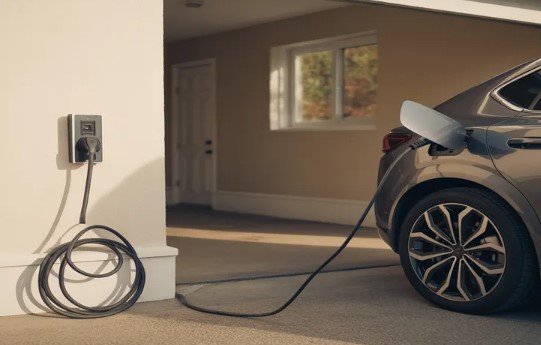
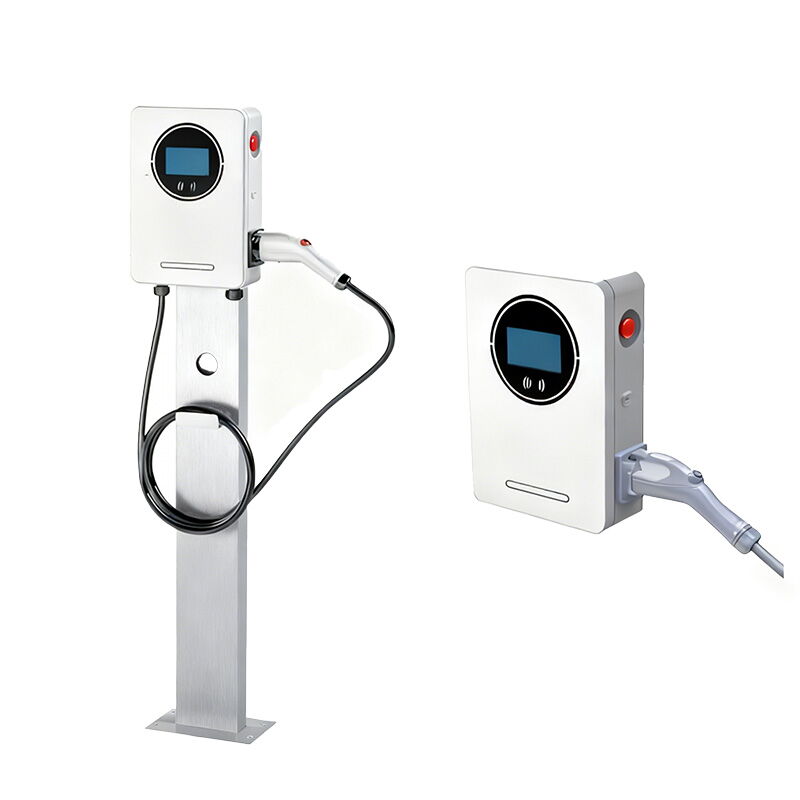
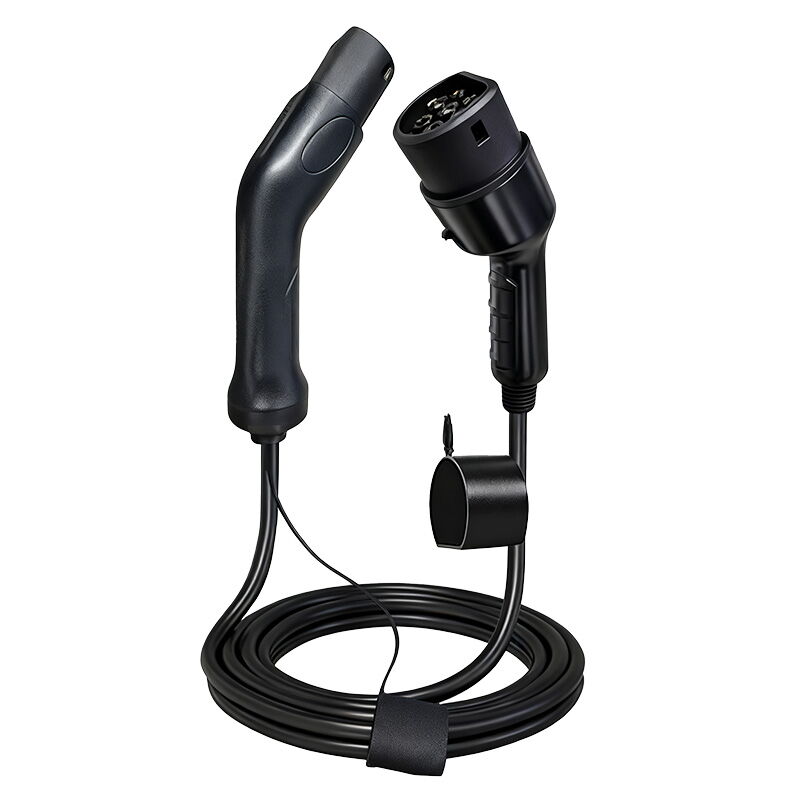
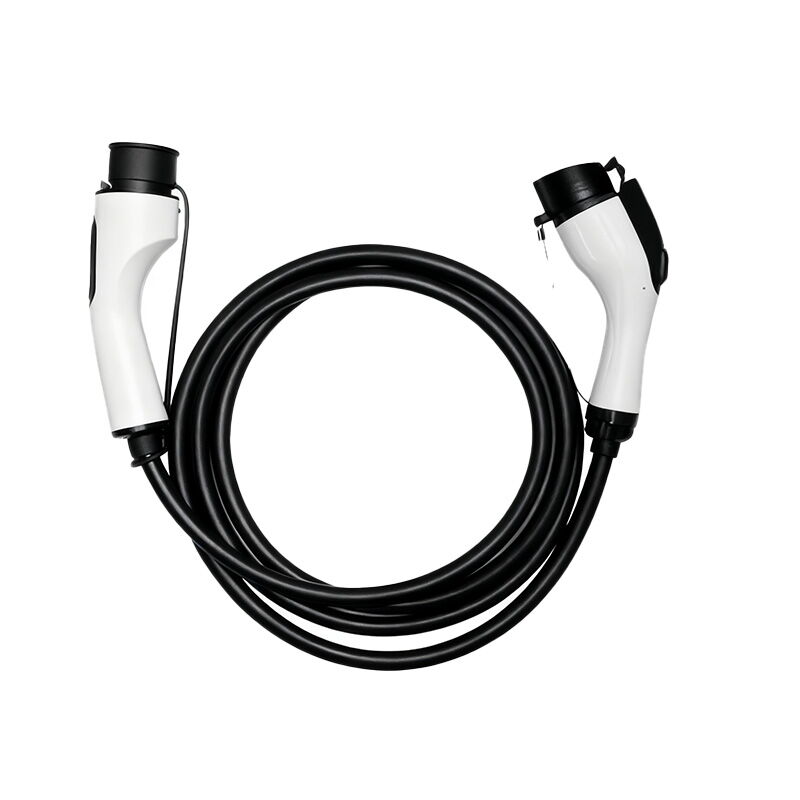
When charging an electric vehicle, there are two key components that need to be clearly distinguished: the outlet and the connector. The outlet refers to the power interface installed on the wall or ev charging equipment, which is the source of current output. The connector is the plug inserted into the vehicle's charging port, responsible for transmitting current to the car's battery. Many people initially confuse these two concepts, which is normal, because both are important for ev charging but have different functions.
Understanding this distinction is very important: the outlet determines how much power you can access, while the connector determines whether your car can actually charge. Only when both are properly matched can charging proceed smoothly.
When charging an electric vehicle at home, there are mainly two voltage specifications to choose from: 120V outlets and 240V outlets. The core differences between these two options lie in charging speed and installation requirements.
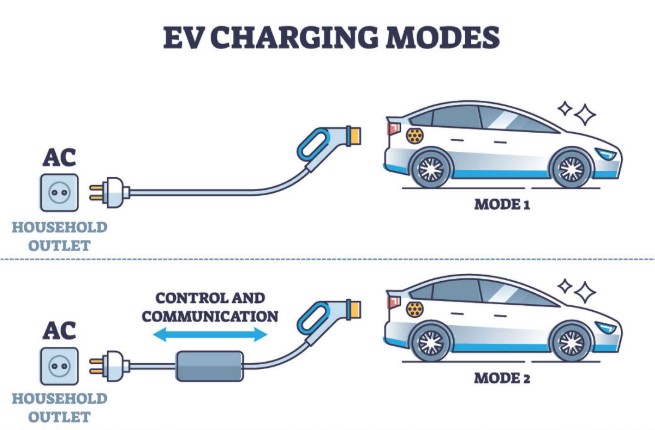
A 120V outlet is the most common household socket. You use it every day to charge your phone, plug in a lamp, or connect a TV. In the field of electric vehicle charging, this type of outlet supports Level 1 charging.
The usage is very simple: the Level 1 charging cable included with the car is plugged into the 120V outlet on the wall on one end and the vehicle's charging port on the other end. No special installation is required. This convenience makes 120V charging the first stop for many people starting with an electric vehicle.
However, the charging speed is indeed slow: it can increase the range by only about 2–5 miles per hour. Plugging in overnight, by the next morning, you can add roughly 20–50 miles of range. For daily commuting with short distances or for people who only use the car occasionally, this may be sufficient. But for full-electric vehicle owners who need to drive longer distances every day, this speed is often insufficient.
120V Charging is suitable for:
Owners of plug-in hybrid vehicles (small battery, low charging demand)
People who drive less than 30 miles per day
Renters who cannot install a dedicated outlet
People who only need emergency or backup charging solutions
Points to note: In cold winter weather, battery activity decreases, and 120V charging speed will further decline. For full-electric vehicles with large battery capacity, relying only on 120V charging is difficult to meet daily usage needs.
A 240V outlet is the same type used for electric dryers, ovens, or water heaters. This type of outlet can provide much higher power than 120V and supports Level 2 charging.
The charging speed is much faster: with a suitable Level 2 charger, it can add 20–40 miles of range per hour. Plug in at night, and by the next morning, the battery will essentially be fully charged. This speed is sufficient for almost all daily driving scenarios.
Why is 240V charging faster? Because power = voltage × current. A 240V outlet not only doubles the voltage but usually comes with a circuit that can provide higher current. The higher the current, the more energy is transmitted per unit of time, so the charging speed naturally increases.
Installation requires a professional electrician: Most home garages do not reserve 240V outlets, so an electrician is needed to wire and install them. Depending on wire length, electrical panel capacity, and other factors, installation costs range from several hundred to several thousand dollars. Some older houses may also require panel upgrades, which increase the cost further.
Electric vehicle charging outlets have clear industry standards, mainly established by the National Electrical Manufacturers Association (NEMA). Understanding these models can help you choose the right equipment and avoid buying the wrong charger or installing the wrong outlet.
- NEMA 5-15: This is the most common household outlet, found in almost every home. The "5" represents the outlet category, and the "15" indicates it supports up to 15 amps. Level 1 chargers use this outlet.
- NEMA 6-15: Also a 120V outlet, mainly used for window air conditioners. Rare in residences. The current capacity is the same as 5-15, but the shape is different and cannot be interchanged.
- Not suitable for EV charging: NEMA 1-15 is an old two-prong outlet without a ground wire. Modern EV chargers must have grounding protection to operate, so this type cannot be used.
There are many types of 240V outlets, with current capacity ranging from 30 amps to 50 amps. The higher the current, the higher the power, and the faster the charging speed.
- NEMA 14-30: Supports 30 amps, commonly used for electric dryers. With this outlet, Level 2 charging can add about 20 miles of range per hour.
- NEMA 14-50: Supports 50 amps, currently the most popular choice for home EV charging. Charging speed can reach about 30 miles per hour, easily fully charging most EVs overnight.
- NEMA 10-30 and 10-50: Older 240V outlets, rarely used for new installations. If your home already has them, they can continue to be used, but for new installations, the 14-series is recommended because it has a separate ground wire, making it safer.
- NEMA 6-50: This outlet has no neutral wire, only two hot wires and a ground wire. Some industrial equipment uses it, and some EV chargers also support it, but it is less universal than 14-50.
- Simple way to distinguish 120V and 240V: Look at the outlet size. 240V outlets are usually slightly larger than 120V outlets, and the prong arrangement is different. Also, note that gas appliances (gas dryers, gas stoves) use 120V and cannot be changed to 240V for EV charging.
Feature | Level 1 Charging (120V) | Level 2 Charging (240V) |
Charging Speed | 2–5 miles/hour | 20–40 miles/hour |
Overnight Charge | ~20–50 miles | Can fully charge most models |
Installation Requirement | Plug-and-play | Requires professional electrician |
Equipment Cost | Included with vehicle | Purchased separately, $300–$800 |
Installation Cost | $0 | $500–$2000 (depending on circumstances) |
Applicable Scenarios | Short commutes, plug-in hybrids | Full-electric vehicles for daily home use |
Example: Using a Level 1 charger to fully charge a Tesla Model 3 from empty takes about 35 hours, whereas using Level 2 (NEMA 14-50), it typically takes 8–10 hours.
Some home garages may have a NEMA 6-15 (for window air conditioners) or other non-standard outlets. Using them for EV charging is either too slow or impossible. There are two solutions:
Replace the outlet: Have an electrician replace the existing outlet with a model suitable for EV charging (e.g., 14-50). Ensure the breaker and wiring are rated appropriately; the outlet alone is not enough. This solution is permanent but relatively costly.
Use a smart splitter: Devices like the NeoCharge Smart Splitter can split a single 240V outlet into two outputs, allowing the dryer and EV charger to share one outlet (but not simultaneously). This is usually the most economical solution, especially for renters or those who do not want major wiring changes.
EV charging requires high power over extended periods, placing higher demands on circuits. Using a dedicated EV outlet rather than a regular outlet adapter has several benefits:
- 3–10 times faster charging: Dedicated 240V outlets with suitable chargers are much more efficient than standard 120V outlets or temporary solutions.
- Higher safety: Dedicated outlets and wiring are designed for EV charging, avoiding overload or overheating. Using substandard adapters or overloading regular outlets may cause electrical fires.
- Convenience: With a dedicated outlet, there is no need to frequently plug and unplug other appliances or adjust household electricity usage. Charge whenever you want without affecting daily life.
- Future-proof: EV technology is evolving, and battery capacities are increasing. Dedicated charging stations can support higher power upgrades, whereas temporary solutions often lack expansion capacity.
- Leave capacity room: Even if Level 1 is enough now, it is recommended to reserve installation conditions for at least Level 2. Consider changing vehicles, battery degradation, and reduced winter efficiency; 240V outlets are a longer-term solution.
- Do not compromise on safety: Prefer hardwired charging equipment over plug-in types. Hardwired devices are directly connected to the circuit, avoiding loose plugs, and usually include built-in ground fault protection.
- Adequate protection rating: For outdoor or semi-open installations, choose waterproof and weatherproof outlets and chargers. IP55 or higher can handle most environmental challenges.
- Confirm compatibility in advance: Different vehicles have different charging current requirements. Check your vehicle’s manual before purchasing to confirm the maximum supported charging power, and choose matching chargers and outlet specifications. Ensure compliance with local electrical codes.
- Hire a professional electrician: EV charging circuits involve high power and long operating times. Wiring specifications, grounding protection, and breaker selection are strict. Always use a qualified electrician to avoid safety risks.
Installing high-quality EV charging equipment not only solves current charging issues but also provides long-term benefits:
- Increase property value: With the popularization of EVs, houses with dedicated charging equipment are increasingly desirable. Buyers are willing to pay a premium to avoid installation hassle, especially in areas with high EV ownership.
- Reduce operating costs: Home charging is much cheaper than public chargers, especially during off-peak hours. Over time, electricity cost savings are substantial. Combined with lower maintenance and no fuel taxes, EVs have clear total cost advantages.
- Save time: No need to drive to public charging stations or wait in line. Plug in at home and leave fully charged in the morning. This convenience is difficult to quantify monetarily.
- Charging autonomy: You decide when and how much to charge, without being affected by queues, faults, or price increases at public chargers. For daily commuters relying on EVs, this certainty is crucial.
For new EV owners unsure of what to choose:
Try the Level 1 charger included with the vehicle for a week to see if it meets your needs.
Record daily mileage and charging time to evaluate charging anxiety.
If you often need mid-day top-ups or morning charge is insufficient, consider upgrading to Level 2.
If renovating or modifying a garage:
Install NEMA 14-50 outlets directly, currently the most universal choice.
Reserve thick enough wiring (6-gauge or thicker) for future upgrades.
Plan for electrical panel capacity expansion if necessary.
If renting or on a tight budget:
Negotiate with the landlord to install a dedicated outlet, offering to cover costs or restore the original setup.
Consider portable Level 2 chargers paired with existing dryer outlets (using a smart splitter).
Check for free or low-cost public chargers at work or nearby shopping centers as a supplement.
EV charging may seem complex, but the core is simply choosing the right outlet, matching it with an appropriate charger, and ensuring safe installation. Once voltage levels, outlet types, and charging levels are understood, making the right choice is not difficult. With more usage experience, charging will become as natural a daily habit as charging a phone.