Complete Guide to DC EV Fast Charging
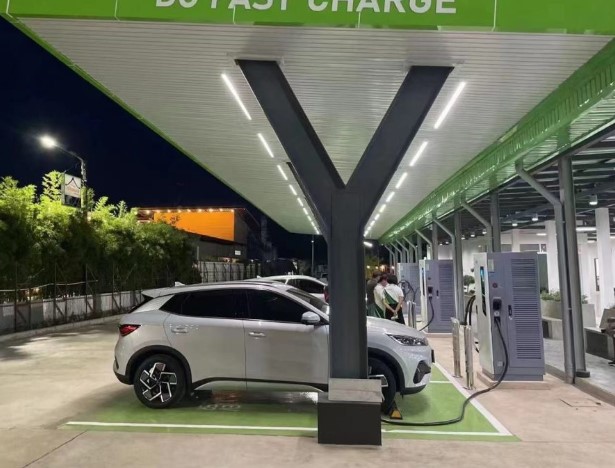
Electric vehicles (EVs) have become increasingly popular as a cleaner and more sustainable alternative to traditional gasoline-powered cars. As EV adoption grows, the importance of reliable and efficient ev charging infrastructure cannot be overstated. Among the available charging methods, DC Fast Charging (also known as DCFC) stands out due to its ability to replenish battery power quickly, making it indispensable for long-distance travel and emergency charging situations. However, while DC fast charging promises speed and convenience, many EV owners face challenges such as slow charging, equipment malfunctions, and limited availability of compatible chargers.
This comprehensive guide aims to provide a thorough understanding of DC fast charging, including how it works, its advantages and limitations, practical usage strategies, maintenance tips, and ways to protect battery health. By the end of this guide, EV owners and potential buyers will have the knowledge needed to optimize their charging experience and make informed decisions about using DC fast charging effectively.
When an EV is connected to a DC fast charger, a complex series of processes ensures that charging is safe, efficient, and effective. The procedure typically follows these steps:
- Authentication: Upon plugging the charging connector into the vehicle, the charger communicates with the car's system to verify the vehicle's identity and check whether the user has the necessary charging permissions. This ensures that only authorized vehicles can access the charging station.
- Safety Checks: The charger and vehicle system perform an initial diagnostic, which includes checking the battery's current state, temperature, and the connection quality of the charging port. These checks prevent unsafe conditions, such as overcurrent or overheating, that could damage the battery or the charger.
- Power Negotiation: The vehicle and charger negotiate the appropriate charging power based on battery capacity, state of charge, and thermal conditions. This dynamic adjustment ensures safe charging while optimizing speed.
- Charging: Unlike AC charging, which relies on the car's onboard charger to convert alternating current (AC) to direct current (DC), DC fast charging supplies DC power directly to the battery. This eliminates the onboard conversion bottleneck and allows for much higher power levels. The charging rate is adjusted in real-time according to the battery's state to maximize efficiency without compromising safety.
- Real-Time Monitoring: Advanced monitoring systems continuously track key parameters such as voltage, current, and battery temperature. This prevents potential hazards such as overheating, overcurrent, or overvoltage, ensuring a controlled and safe charging process.
- Completion: Once the battery reaches the targeted charge level or the user stops the charging session, the system automatically terminates the power flow and disconnects the charger. Some chargers also provide notifications or app alerts to inform the user of charging completion.
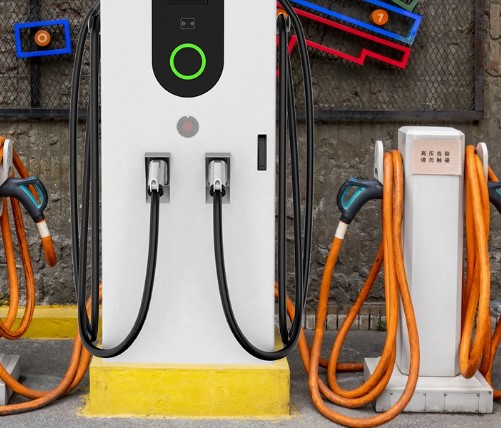
Understanding DC fast charging requires a comparison with the more common AC charging method.
- AC Charging (Alternating Current): Most home chargers and standard public chargers use AC power. The AC electricity supplied by the charger is converted to DC by the vehicle's onboard charger, which then charges the battery. The charging speed is limited by the capacity of the onboard charger, typically ranging from 3.7 kW to 22 kW. While slower than DC fast charging, AC charging is ideal for overnight charging or daily commuting when vehicles are parked for extended periods.
- DC Fast Charging (Direct Current): DC fast charging bypasses the onboard converter entirely, delivering high-voltage DC electricity directly to the battery. Charging power can range from 60 kW to over 360 kW, depending on the charger and vehicle specifications. This enables charging from 0% to 80% in as little as 30–60 minutes, making it the preferred option for long trips or situations where quick top-ups are necessary.
- Rapid Charging Speed: The primary benefit of DC fast charging is speed. Under ideal conditions, a compatible EV can gain 200–300 km of driving range in roughly 30 minutes. This efficiency is invaluable for drivers covering long distances or those with limited time for charging stops.
- Wide Compatibility: Modern DC fast chargers support multiple charging standards, including CCS, CHAdeMO, and GB/T. This ensures compatibility with the majority of EV models on the market, whether domestic or imported. Drivers can generally find a compatible charger regardless of their vehicle type.
- Convenient Locations: DC fast chargers are typically installed in high-traffic locations such as highway service areas, shopping centers, and commercial hubs. These placements allow drivers to use their charging time productively, whether by shopping, dining, or taking a rest break.
- Commercial Viability: For charging network operators and fleet managers, DC fast chargers offer high utilization rates. A single fast charger can serve multiple vehicles per day, generating higher revenue and better return on investment compared to slow chargers, which may remain occupied for several hours by one vehicle.
Despite its advantages, DC fast charging comes with several limitations and practical challenges that users should be aware of:
Many EV owners experience actual charging speeds lower than advertised due to factors such as:
- Grid Instability: During peak demand, chargers may reduce power to prevent overloading the electrical network.
- Installation Quality: Poorly installed chargers may suffer energy losses, reducing charging efficiency.
- Battery Temperature: Cold or overheated batteries automatically limit charging speed to protect the battery.
Fast charging generates significant heat in both the battery and charger. Without advanced thermal management systems, devices may reduce charging power to prevent overheating, leading to longer charging times. High-quality DC fast chargers often include liquid cooling systems or intelligent fan controls to maintain stable operation under high temperatures.
Not all EVs support DC fast charging, particularly older models or certain imported vehicles. Even among compatible EVs, charging power acceptance varies across brands and model years. Using certified charging equipment ensures the highest level of compatibility and safety.
Modern DC fast chargers rely heavily on software systems for communication and control. Common issues include:
- Charger-to-vehicle communication failures
- Payment or authentication errors
- Remote monitoring outages
- Incompatibility due to outdated software versions
DC fast charging requires a robust, stable electrical infrastructure. In areas with weak grid capacity, multiple chargers operating simultaneously may cause voltage drops, leading to unstable charging. Proper load management and planning are essential to maintain reliable operation.
Outdoor chargers are exposed to environmental factors such as extreme heat, dust, humidity, or sand, which can degrade performance. Devices should meet IP65 or higher protection standards to ensure long-term reliability.
Selecting the right charger and understanding best practices for usage are critical for maximizing charging efficiency. Whether for personal use or commercial installations, consider the following factors:
Features to prioritize include:
- Certifications: CE, UL, CCC, or equivalent safety approvals
- Power Levels: Choose chargers with 60–360 kW output depending on vehicle needs
- Thermal Management: Advanced liquid or air cooling systems for stable performance
- Protection Level: IP54 or higher to handle outdoor conditions
- Smart Functions: Remote monitoring, load balancing, automatic power adjustment
Modern smart charging systems offer benefits such as:
- Load Balancing: Distributes electricity among multiple chargers to prevent grid overload
- Remote Monitoring: Allows operators to detect issues and perform maintenance efficiently
- Automatic Power Adjustment: Dynamically modifies charging power according to battery status and grid conditions
- Energy Tracking: Records usage, cost, and energy consumption for user management
Location directly impacts usage efficiency for commercial installations:
- High dwell time areas: Near restaurants, shopping centers, or offices
- Accessible traffic positions: Easy entry and exit reduces detours
- Sufficient parking: Prevent EV-only spots from being blocked by conventional vehicles
- Supporting facilities: Shelters, lighting, and rest areas enhance user experience
Even with optimal equipment and location, maintenance is key to ensuring reliability. Research indicates that approximately 20% of charging attempts encounter problems, ranging from simple connector issues to complex system failures.
Inspect cables for wear, cracks, or overheating signs
Keep charging connectors clean with a lint-free cloth
Update software for both vehicle and charger regularly
Protect cables from prolonged exposure to sun or moisture
- Charging Won't Start: Ensure full connector engagement, unlock vehicle if required, check charger screen, or try another charger/cable
- Charging Stops Midway: Verify battery temperature, check preset charge limits, or avoid peak grid hours
- Slow Charging: Check battery temperature (optimal 20–40°C), charging level (speed reduces after 80%), and load balancing status
- Communication Errors: Restart charger, inspect vehicle connector, verify network or mobile connectivity
Contact a certified technician or manufacturer if:
- Visible damage or burn marks appear on the charger
- Repeated charging failures occur
- Unusual smells or noises are detected
- Electrical panel trips or sparks occur
- Persistent software errors appear
Never attempt to dismantle DC fast chargers, as high-voltage electricity poses severe risks.
Although DC fast charging offers convenience, frequent use can slightly affect battery lifespan. Users can balance speed and battery health through:
- Smart Usage: Use home AC charging for routine commuting, reserve DC fast charging for long trips or emergencies
- Avoid Overcharging: Fast charge to 80% and complete the remaining 20% with slower charging to protect battery health
- Temperature Management: Avoid fast charging in extreme heat (>40°C) or cold (<-10°C). Preheat or cool battery if the vehicle supports it
- Optimal Charge Levels: Maintain battery between 20–80%, keep ~50% for long-term storage, and perform occasional full slow charges to calibrate the battery management system
DC fast charging is a critical part of the EV ecosystem. It alleviates range anxiety, supports long-distance travel, and accelerates the adoption of electric mobility. While challenges such as variable charging speeds, equipment reliability, and compatibility issues remain, understanding the technology, best practices, and maintenance strategies allows EV owners to maximize efficiency and protect battery health.
With ongoing improvements in charging infrastructure and technology, the future promises faster, more reliable, and seamless DC fast charging experiences. Whether you are new to EVs or an experienced owner, mastering DC fast charging ensures every session is safe, efficient, and worry-free, helping you fully enjoy the convenience and sustainability of electric mobility.