Electric Vehicle Charger Load Management
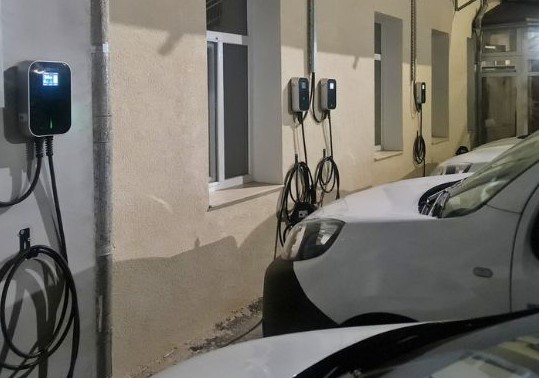
Electric vehicle (EV) charger load management refers to the monitoring and balancing of electricity consumption at each charging point. At its core, this technology controls the demand placed on the power grid by a charging station, ensuring that electricity consumption does not exceed the capacity of the local electrical infrastructure. To illustrate this concept, imagine the electrical system in your home as a highway, and every electrical appliance as a car traveling on that highway. When too many cars hit the road at the same time, traffic jams or even complete standstills can occur. Load management functions like a smart traffic control system: it continuously monitors traffic flow and automatically adjusts conditions before congestion becomes a problem, allowing every vehicle to travel smoothly.
The primary objectives of ev charger load management are twofold. First, it optimizes charging efficiency, ensuring that electric vehicles are charged as quickly and safely as possible. Second, it protects electrical infrastructure by preventing overloads that could result in equipment damage or power outages.
Understanding the concept and importance of load management leads naturally to the question of how it is implemented. Depending on the technical approach and application environment, load management can be broadly categorized into two main types: static load management and dynamic load management. Each has distinct characteristics and is suitable for different usage scenarios. Below, we explore their mechanisms and applications in detail.
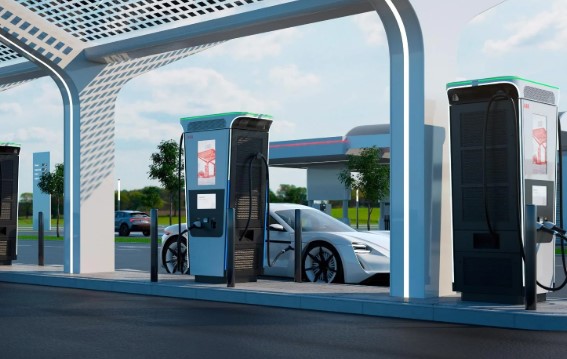
Static load management represents the most basic form of control. It achieves balanced electricity distribution by setting preprogrammed power limits for each EV charger within a system.
For example, imagine a home equipped with four chargers and a distribution panel with a total capacity of 80 amperes. Under static load management, rules are established in advance: regardless of real-time conditions, each charger is allowed to draw no more than 20 amperes. This approach is simple and direct, much like issuing a fixed “electricity allowance card” to each charger.
Advantages of static load management include simplicity of setup and relatively low implementation costs. However, it has clear limitations: it cannot adjust flexibly to real-time conditions. For instance, if other household appliances are not using power at a given moment, the chargers could safely receive more electricity to speed up charging, yet static management continues to enforce the fixed limit. This can lead to inefficient utilization of available power.
Dynamic load management represents a more advanced approach. Unlike its static counterpart, dynamic load management provides real-time power consumption data and automatically adjusts power distribution according to fluctuating electricity demand.
Returning to the previous example of a home with four chargers and an 80-ampere panel: a dynamic load management system continuously monitors household power usage. If all other appliances are idle, the system recognizes that ample power is available and allows the chargers to draw more current for faster charging. Conversely, if high-power devices such as air conditioners or water heaters are activated simultaneously, the system immediately detects the increased demand and reduces the charging power to prevent tripping the circuit breaker.
Advantages of dynamic load management include intelligence and flexibility. It not only optimizes charging efficiency but also reduces peak power consumption, potentially lowering electricity costs. For commercial sites with large EV fleets or multiple chargers, dynamic load management is particularly suitable, as it can handle complex and variable electricity usage scenarios.
After understanding the two types of load management, one may ask: is this technology really necessary? The answer is a definitive yes. Both residential users and commercial operators face significant safety risks and economic consequences if charger load management is ignored. Below, we analyze its importance across two typical environments: residential and commercial.
In homes with EV chargers, load management is nearly indispensable for safety.
Modern households face ever-growing electricity demands. Beyond traditional appliances such as lighting, refrigerators, and air conditioning, powerful EV chargers are now part of the mix. A typical Level 2 charger consumes between 3.3 kW and 19.2 kW, equivalent to operating multiple high-power air conditioners simultaneously. If a household installs two such chargers, running them at full power without load management could easily exceed the capacity of the home’s electrical panel.
Load management systems monitor, adjust, and balance electricity usage in real time. They enable households to remain within safe limits even when the combined demand appears to exceed the panel’s rated capacity. Intelligent algorithms automatically determine the best times and amounts to adjust, ensuring safety while maximizing charging efficiency and cost savings.
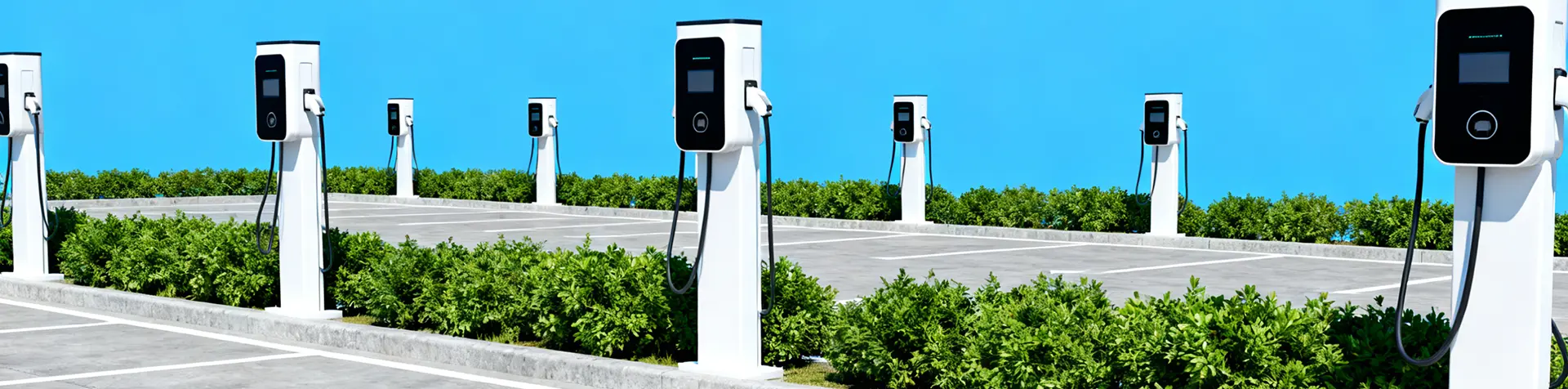
In commercial settings, electricity demand can vary dramatically throughout the day. Businesses with large EV fleets or multiple chargers rely heavily on integrated load management to prevent outages, equipment damage, and operational disruptions.
Consider a commercial parking lot with 12 chargers, each requiring 40 amperes, while the distribution panel has a total capacity of only 200 amperes. Without load management, if all 12 chargers are activated simultaneously, the power demand reaches 480 amperes—more than double the safe limit. The likely result is circuit breakers tripping, service interruptions, and potential damage to distribution equipment. Repair costs are high, and normal business operations can be severely affected.
A load management system addresses this by automatically redistributing current when overall demand approaches unsafe levels. For example, it may temporarily reduce the power to some chargers or schedule charging sequentially. This alleviates strain on the grid, optimizes charging efficiency, and maximizes the use of existing electrical infrastructure without requiring costly upgrades.
Load management technology has a wide range of applications, effectively covering any environment where multiple EV chargers are installed:
- Residential complexes: As EV adoption rises, more households require home chargers. Centralized load management ensures residents’ needs are met without overloading the local network.
- Apartment buildings: Infrastructure often predates widespread EV usage. Load management enables safe operation of multiple chargers without costly electrical upgrades.
- Commercial buildings: Office complexes, shopping malls, and retail centers experience high baseline electricity usage. Load management ensures additional EV charging does not compromise regular operations.
- Large fleets: Logistics companies, taxi operators, and ride-hailing platforms with dozens or even hundreds of EVs can use dynamic load management to maximize charging within limited infrastructure.
- Retail spaces: Shopping malls and supermarkets offering charging for customers can maintain uninterrupted store operations while providing convenient charging services.
After establishing the importance of load management, it is natural to ask how these systems achieve intelligent power control. Load management relies on the synergy of hardware and software to ensure safe, efficient electricity distribution. This section explains the operation of load management systems in three key aspects: basic principles, dynamic adjustment mechanisms, and hardware-software coordination.
The core function of a load management system is to allow users to predefine the maximum power for each charger. When the system detects that total demand may exceed safe limits, it automatically redistributes current.
For instance, consider a panel with 80 amperes total capacity connected to four EVs, each requiring 40 amperes simultaneously. The system identifies that total demand (160 amperes) exceeds capacity. It then evenly distributes available power (20 amperes per charger) to avoid overload, protecting the electrical system while allowing all vehicles to continue charging at a slower rate.
Modern load management combines sensors and intelligent algorithms to record power usage and make real-time adjustments. The workflow typically includes:
- Data collection: Smart sensors monitor overall panel capacity and record real-time power consumption per charger, along with other household appliance usage.
- Data analysis: A central unit receives sensor data, calculates available power, assesses current demand, and forecasts short-term load trends.
- Intelligent decision-making: Algorithms allocate optimal power to each charger, considering battery state, urgency of charging, electricity pricing, and other factors.
- Real-time adjustment: The system continuously monitors demand, adjusting charging rates within seconds. When high-power appliances activate, the system reduces charging currents; when they stop, it restores power.
- Learning and optimization: Advanced systems use historical data and predictive modeling to continuously refine power allocation strategies.
Effective load management depends on the integration of hardware and software:
Hardware components:
- Smart circuit breakers: Enable remote control and real-time status feedback
- Communication modules: Ensure data exchange between system components
- Energy meters: Measure power consumption per circuit accurately
- Real-time load sensors: Track current usage at each charger and household device
Software components:
- Allocation algorithms: Determine optimal distribution of available power
- User interface: Allows administrators to monitor status, configure parameters, and receive alerts
- Analytics module: Generates reports for energy optimization and planning
Understanding how load management works highlights that its value goes far beyond theoretical optimization. It offers tangible benefits in economic savings, safety, and operational efficiency.
Avoid costly infrastructure upgrades: Installing multiple chargers often prompts upgrades such as larger panels, new transformers, or dedicated lines—costs can easily reach tens of thousands of dollars. Load management allows optimal use of existing infrastructure without major investment.
Lower electricity bills: Dynamic systems can schedule charging during off-peak hours and reduce power during expensive periods.
Maximized infrastructure utilization: Smart allocation allows more chargers to operate on the same panel, avoiding unnecessary redundancy.
Prevents overloads: Real-time monitoring ensures that circuits are never stressed beyond safe limits, reducing fire and equipment-damage risks.
Reduces outage risks: Especially in commercial settings, sudden power loss can disrupt operations and affect customers; load management mitigates this risk.
Protects electrical devices: Stable, regulated power extends the lifespan of chargers and other appliances.
Improves charging efficiency: While individual charging rates may be temporarily lowered, overall system uptime and effective charging duration increase.
Simplifies management: Remote monitoring and control reduce the need for on-site personnel and allow instant response to alerts.
Supports sustainability: Load management integrates seamlessly with renewable energy systems, such as solar panels and battery storage, prioritizing clean energy usage and further reducing operational costs.
Electric vehicle charger load management may appear simple, but it is a critical technology that addresses infrastructure challenges posed by widespread EV adoption. By intelligently allocating electricity, it allows safe and efficient home charging while enabling businesses to operate multiple chargers without incurring excessive costs.
Whether static or dynamic, the fundamental goal remains the same: maximize the use of existing electrical resources, optimize charging efficiency, and reduce operational costs, all while maintaining safety. As technology continues to advance, load management will become increasingly intelligent and efficient, solidifying its role as a key component of the EV ecosystem.
For families or businesses considering installing EV chargers, investing in a high-quality load management system is a wise and necessary step. It prevents potential safety hazards and operational interruptions while providing long-term economic benefits, representing a significant move toward sustainable energy management.