Dynamic Load Balancing for Electric Vehicle Charging
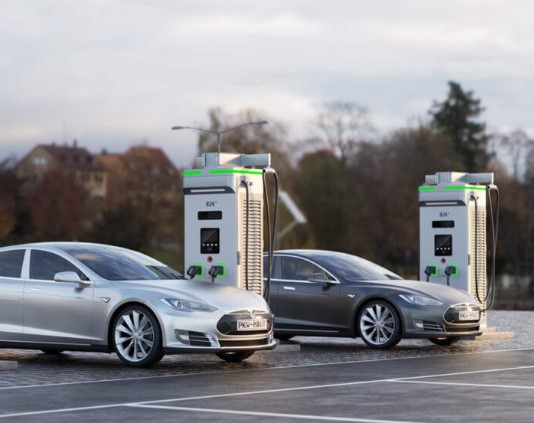
Electric vehicles are rapidly gaining popularity, and their environmentally friendly and efficient characteristics are increasingly favored by consumers. But many people may not have considered one question: when a large number of electric vehicles charge at the same time, could they damage the power grid? This is the problem that dynamic load balancing technology aims to solve. Dynamic Load Balancing (DLB) is an intelligent power management technology that can monitor grid electricity usage in real time and automatically adjust electric vehicle charging power according to current available capacity. Simply put, it acts like an intelligent regulating valve, ensuring that EV charging does not place excessive pressure on the grid.
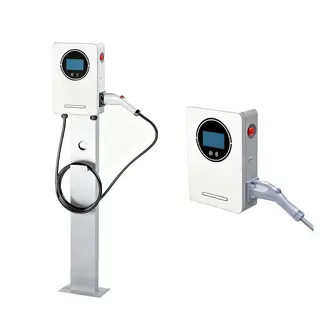
This technology is usually implemented through smart ev charging stations. These charging stations can communicate with the grid to obtain real-time power load information. When the grid load is high, the charging station automatically reduces charging power; when the grid load is low, the ev charging station can increase charging power, allowing vehicles to charge faster.
Challenges faced by the power grid: The popularization of electric vehicles has a significant impact on the grid. Especially in the evening, as many commuters return home and charge their vehicles simultaneously, electricity demand can surge sharply in a short period. If such a sudden increase in power demand is not effectively managed, it may cause voltage fluctuations, unstable supply, or even local power outages. This problem is particularly prominent in residential complexes and older buildings. Many residential power systems were not designed to accommodate scenarios where a large number of electric vehicles charge at the same time. Without controlling charging power, it is easy to experience circuit overloads and trips.
Charging safety and equipment protection: Dynamic load balancing not only protects the grid but also protects charging equipment and vehicle batteries. By avoiding overload charging, DLB can extend battery lifespan and prevent damage to battery health caused by overcharging. At the same time, it can also prevent circuit overheating and reduce the risk of electrical fires.
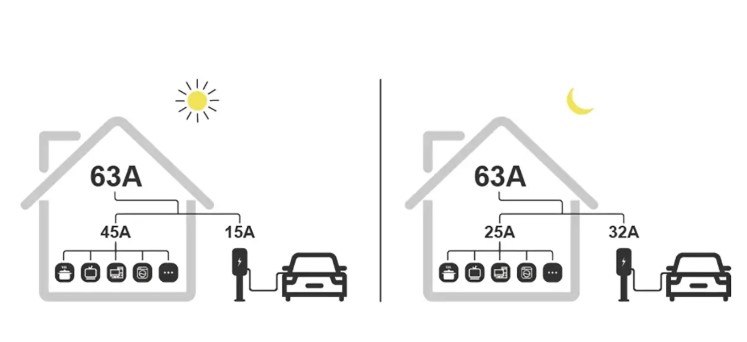
The working principle of dynamic load balancing can be summarized in three stages: monitoring, analysis, and adjustment, forming a closed-loop control:
The first step of dynamic load balancing is to monitor grid capacity. The system collects electricity demand data through smart meters, sensors, and communication networks and transmits this data to a central control system for analysis. These monitoring devices can obtain key parameters of the grid in real time, such as current, voltage, and power.
Based on the monitored data, the system dynamically adjusts the charging rate of electric vehicles. This adjustment can be achieved in multiple ways:
Intelligent charging regulation: Charging stations automatically adjust output power based on grid load. For example, when high-power appliances such as air conditioners or water heaters are operating at home, the charging station automatically reduces charging power to ensure that total electricity usage does not exceed safety thresholds.
Time-of-use pricing guidance: By implementing time-of-use pricing strategies, users are encouraged to charge during periods of low grid load at night. This not only reduces charging costs for users but also distributes load evenly and reduces pressure on the grid during peak periods.
Load shifting: The system can intelligently schedule charging based on grid capacity and user travel needs. For example, if a vehicle does not need to be fully charged immediately, the system can arrange charging during periods of lower grid load.
Advanced dynamic load balancing systems have very fast response speeds. According to technical data from Aceway Technology, the dynamic response time of its charging stations can be less than 1 second, allowing charging load to be adjusted in real time while ensuring household electricity safety.
Improved grid stability: DLB establishes a balance between power demand and grid capacity, preventing grid overload and ensuring reliable electricity supply. By distributing power load evenly, it avoids local grid failures caused by excessive load.
- Reduced charging costs: By guiding users to charge during periods of lower electricity prices, DLB helps users save on electricity bills. Many regions implement time-of-use pricing policies where nighttime electricity is significantly cheaper than daytime electricity, making proper charging timing economically beneficial.
- Increased energy utilization efficiency: Dynamic load balancing optimizes the charging process and reduces energy waste. It ensures that power resources are reasonably allocated and avoids unnecessary charging during periods of high grid load, thus improving overall energy utilization efficiency.
- Support for renewable energy: With the popularization of solar, wind, and other renewable energy sources, grid supply becomes more dynamic. DLB can adjust charging times based on renewable energy generation, increasing charging power when solar power is abundant and improving the efficiency of green energy utilization.
- Reduced carbon emissions: By optimizing charging to reduce energy consumption, DLB indirectly reduces greenhouse gas emissions during power generation. When combined with renewable energy use, it further decreases the overall carbon footprint of electric vehicles.
- Smart management of home charging stations: For residential users, dynamic load balancing is particularly important. Home circuits typically have limited capacity, and excessive EV charging power may cause circuit overloads, affect the normal use of other household appliances, and even create safety hazards. Home charging stations equipped with DLB technology can set a maximum current value for the main line. When other household appliances are in use, the charger will automatically adjust the charging current based on remaining available power, typically flexibly ranging from 6A to 32A.
- Charging coordination for multi-car households: For households with two or more electric vehicles, DLB technology can intelligently distribute power among multiple vehicles. For example, some dual-port AC charging stations can charge two electric vehicles simultaneously with a total power of 22 kW. When both vehicles charge at the same time, the system dynamically allocates power to ensure that the household circuit’s safe capacity is not exceeded.
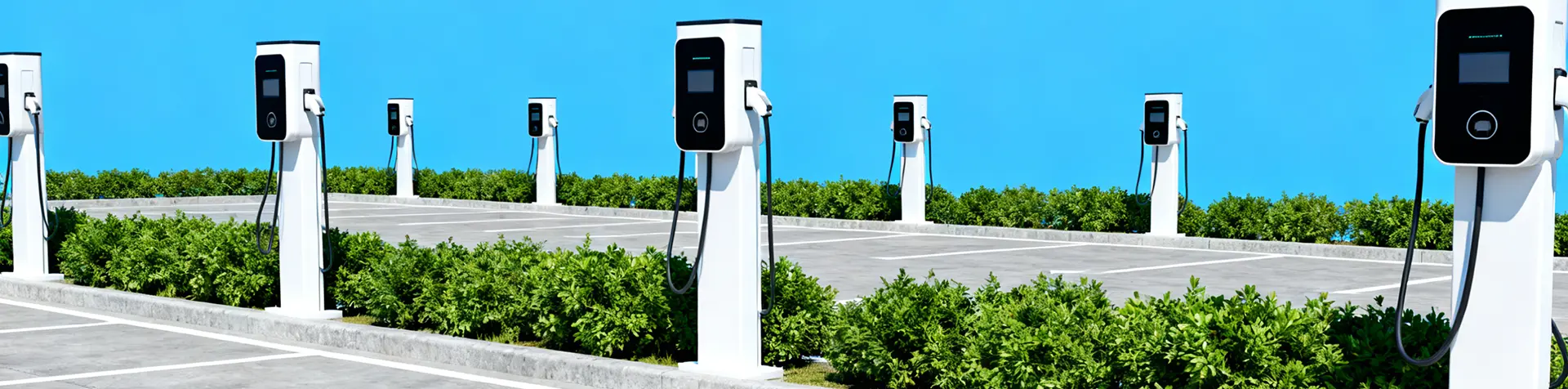
- Commercial parking lots and office areas: In commercial parking lots and office areas, DLB technology can manage power distribution among multiple charging stations. When multiple users charge simultaneously, the system reasonably allocates available power according to each vehicle's charging needs and battery status, preventing all chargers from operating at maximum power and overloading the grid.
- Integration with energy storage systems: Integrating energy storage into charging stations can further enhance the effectiveness of dynamic load balancing. Energy storage systems can store power during periods of low grid load and supply it for EV charging during peak periods, effectively balancing supply and demand and reducing direct dependence on the grid. This integration not only increases the independence of the charging station but also allows continued charging services during grid stress, reducing waiting times and improving charging convenience.
- Evaluating power capacity: Whether it is necessary to install charging stations with DLB functionality mainly depends on the building’s power capacity. For newly built residences or buildings with advanced power systems, grid capacity is usually sufficient, and additional load management may not be required. However, for older buildings or residential complexes with limited power capacity, DLB becomes an important safety measure, preventing overloads and power outages caused by EV charging.
- Fast charging requirements: Even if household power capacity is sufficient, if DC fast charging is occasionally needed, dynamic load balancing can provide additional safety assurance, ensuring grid stability during fast charging.
When selecting home or commercial charging stations, attention should be paid to the following DLB-related features:
- Real-time monitoring capability: The charging station should be able to monitor grid load in real time without installing additional meters for power load management.
- Fast response: The dynamic response time at the charging station should be fast enough, typically within seconds, to ensure timely adjustment.
- Photovoltaic-compatible mode: For users with solar power systems, choosing a charger that supports photovoltaic DLB mode can prioritize solar power use and limit grid electricity consumption.
- Safety protection features: Including overcurrent protection, overvoltage protection, temperature monitoring, leakage protection, and multiple safety mechanisms.
- Compliance with standards: Products should comply with relevant international and national standards such as IEC 61851 and GB/T 18487. Products with CE, CB, and other certifications usually offer better safety and reliability.
Dynamic load balancing technology is an important innovation in the field of electric vehicle charging. Through intelligent monitoring and dynamic adjustment, it addresses the grid load issues caused by the popularization of EVs, ensuring that the charging process is safe, efficient, and economical.
For ordinary households, DLB technology makes EV charging more secure, eliminating concerns about circuit overload or trips. For grid operators, this technology reduces the need for grid infrastructure upgrades and lowers operational costs. For society as a whole, dynamic load balancing supports the utilization of renewable energy and promotes low-carbon transformation in the transportation sector.
As the number of electric vehicles continues to grow, dynamic load balancing technology will play an increasingly important role. It is not only an effective solution for current charging safety issues but also a foundational technology for future vehicle-grid interaction and building smart energy systems. Choosing a smart charging station equipped with dynamic load balancing functionality is a wise choice for every EV user, supporting both grid safety and green mobility.