How to Find Reliable Chinese EV Charger Manufacturers
China has become a global leader in the electric vehicle industry. With the rapid increase in the number of electric vehicles on the roads, the EV charger market is also expanding rapidly. For companies looking to provide customers with high-quality charging solutions, finding a reliable Chinese charger manufacturer has become crucial. This article will provide a detailed guide on how to find reliable Chinese EV charger manufacturers, as well as the key factors to consider when selecting partners, helping companies make informed decisions in a complex market environment.
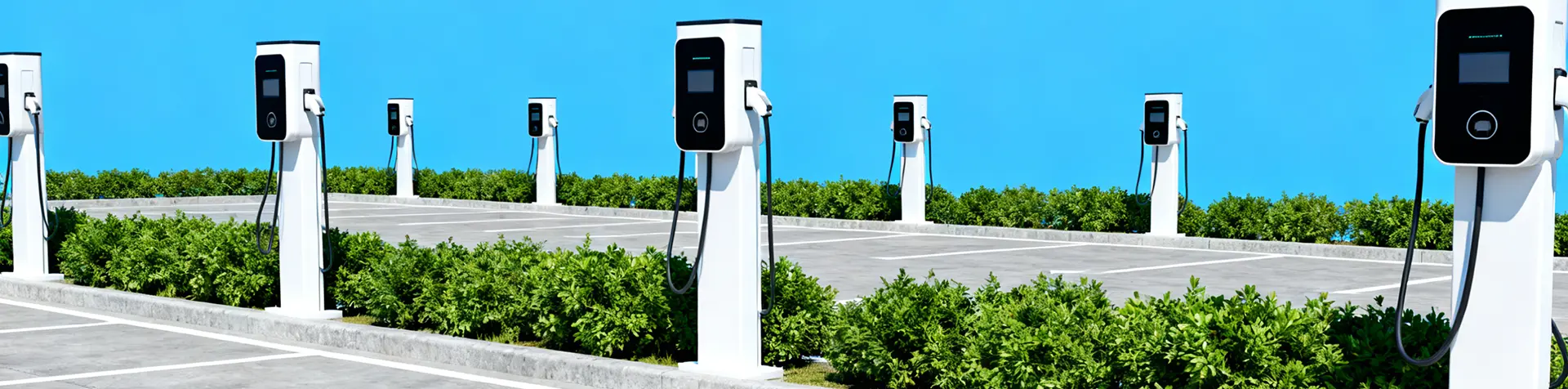
China is the largest electric vehicle market in the world. The government has implemented a series of policies to promote EV adoption and has invested heavily in building charging infrastructure. These initiatives have directly driven the continuous growth in domestic EV charger demand, creating favorable market opportunities for manufacturers.
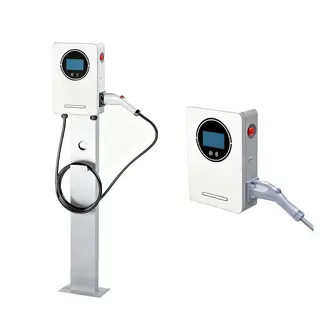
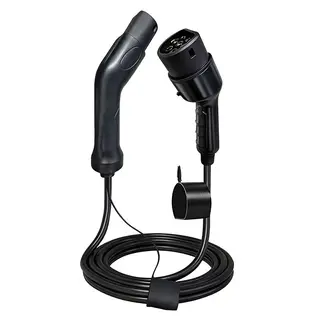
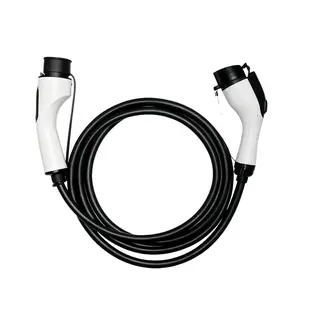
However, the number of Chinese EV charger manufacturers is large, and their scale and quality vary widely. To find truly reliable and high-quality partners in such a market, companies need to conduct in-depth market research and rigorous screening. The Chinese EV charger market has several notable characteristics: first, a wide variety of products, including AC chargers, DC chargers, portable chargers, and fast chargers; second, intense price competition, with significant differences in quotations among different manufacturers; third, continuously improving technological levels, with many manufacturers already mastering advanced technologies such as smart charging and remote monitoring.
After understanding the overall situation of the Chinese EV charger market, the next step is to master the specific screening methods. Facing numerous manufacturers, how should companies judge which ones are truly trustworthy? The following provides a detailed analysis of the core standards for choosing partners across five key dimensions.
Assessing a manufacturer's industry reputation is the first step in selecting a partner. Companies need to examine the manufacturer's history, customer feedback, and obtained certifications. Collaborating with reputable manufacturers ensures access to high-quality products and reliable after-sales support.
Specific aspects to consider include: the manufacturer's founding date, types of clients served, whether there are cases of cooperation with well-known brands, and reputation within the industry. This information can be obtained through industry exhibitions, professional forums, and customer recommendations.
Product quality is the most critical factor when selecting a manufacturer. Companies should carefully review the manufacturer's product specifications, testing procedures, and certification status to ensure products meet international safety standards and performance requirements.
Important international certifications include:
- CE Certification: Indicates compliance with EU safety, health, and environmental standards
- UL Certification: US safety certification demonstrating products have passed rigorous safety testing
- ISO 9001: Quality management system certification reflecting the manufacturer's quality management level
- RoHS Certification: Restricts the use of hazardous substances to ensure environmentally safe products
In addition, EV chargers should comply with industry technical standards such as IEC 61851, CHAdeMO, and CCS to ensure compatibility with mainstream international EV models.
Price directly affects a company's profitability and market competitiveness. When selecting a manufacturer, companies need to compare quotations from multiple suppliers, analyze production and shipping costs, and negotiate pricing plans that align with their budget and business objectives.
However, it is important to note that the lowest price does not necessarily equate to the best choice. Companies should comprehensively consider product quality, after-sales service, and long-term cooperation value, pursuing cost-effectiveness rather than simply low cost.
Comprehensive after-sales service is an important guarantee for long-term cooperation. Companies should pay attention to the manufacturer's warranty policies, technical support capabilities, and service response speed. Reliable manufacturers should provide clear product warranty terms, timely technical consultation, and rapid fault-handling services.
The scale economy of Chinese manufacturing is significant. Large-scale production reduces raw material procurement costs and improves production efficiency, ultimately reflecting in product pricing. This enables Chinese manufacturers to offer more competitive prices while maintaining reasonable profit margins.
Chinese EV charger manufacturers invest heavily in technological innovation. Current mainstream technologies include:
- OCPP Protocol Support: Standardized communication between charging equipment and central management systems
- Smart Applications: Users can remotely monitor charging status and schedule charging via mobile apps
- Multiple Payment Systems: Supports card, QR code, and app-based payments
- DC Fast-Charging Technology: Significantly shortens charging time and enhances user experience
The Chinese government provides strong policy support for EV infrastructure, including financial subsidies, tax incentives, and land use facilitation. These policies reduce operating costs for manufacturers and promote rapid industry development.
Many Chinese manufacturers have already established complete export systems, with products sold to global markets. They are familiar with certification requirements and market characteristics in different countries and can provide localized products and service support for international clients.
Once the core standards for selecting manufacturers are clarified, the next step is to know where to find suppliers that meet these criteria. The following are several proven and effective methods to quickly build a quality manufacturer resource pool:
Industry exhibitions are ideal platforms to understand market trends and meet manufacturers. Important exhibitions include:
- China International New Energy Vehicle Expo
- China EV Charger Expo
- Various international EV and charging infrastructure-themed expos
Through exhibitions, companies can inspect products on-site, communicate face-to-face with manufacturer representatives, and establish preliminary business contacts.
Online platforms provide convenient channels for manufacturer search and comparison:
- Alibaba: The world's largest B2B e-commerce platform, hosting numerous charger manufacturers
- Made-in-China: B2B platform focused on Chinese manufacturing
- Global Sources: Provides verified supplier information
When using these platforms, it is recommended to focus on manufacturers specialized in vehicle chargers, checking product details, certification information, and customer reviews.
Connecting with industry experts, charging infrastructure suppliers, and EV manufacturers can provide valuable advice on reliable manufacturers. Joining relevant industry associations and participating in professional forums helps expand networking and obtain first-hand market information.
For inexperienced companies, hiring consulting firms specializing in EV infrastructure is a wise choice. These professional agencies have abundant industry resources and evaluation experience and can help companies quickly identify and contact qualified manufacturers.
- Experience and Reputation: Select manufacturers with a good performance record in the industry. Companies with long-term stability are more likely to provide high-quality, reliable products and assume responsibility when issues arise.
- Product Variety and Customization Capability: Excellent manufacturers should provide a complete product line from home chargers to commercial fast-charging stations and have the ability to customize based on client needs, including brand customization and software integration.
- Quality Assurance System: Manufacturers should have strict quality control processes to ensure every charging station meets industry standards and safety regulations. Certifications such as ISO 9001 and CE are basic quality guarantees.
- Investment in Technological Innovation: Choose manufacturers that continuously invest in R&D and offer smart charging solutions. Technologically advanced products have better compatibility and scalability and can meet future vehicle development needs.
- Scalability and Flexibility: As the EV market grows, charging infrastructure demand may expand rapidly. Manufacturers should have the ability to increase production capacity and provide flexible solutions to adapt to market changes.
- Training and Educational Resources: Reliable manufacturers provide training resources to help client technicians and end-users safely and efficiently use charging equipment, reducing operational risks.
- Environmental Sustainability: Choose manufacturers that prioritize sustainability; their products should be energy-efficient and use environmentally friendly materials and processes.
- Local Market Knowledge: For specific regions or countries, select manufacturers familiar with local regulations, grid standards, and regional charging needs to avoid implementation issues.
Conduct thorough research and compare multiple suppliers.
Visit factories and facilities in person when possible.
Test samples before bulk procurement.
Clearly specify product specifications, delivery times, payment terms, and after-sales services in contracts.
Establish long-term relationships with manufacturers for better pricing and service support.
Continuously evaluate supplier performance and adjust cooperation strategies promptly.
Finding reliable Chinese EV charger manufacturers is a systematic task requiring companies to invest effort in market research, supplier screening, quality verification, and negotiation. By following the evaluation standards and operational processes described in this article, companies can effectively reduce procurement risks and find high-quality suppliers for long-term cooperation.
Chinese EV charger manufacturers, with their scale advantages, technological strength, and policy support, are capable of serving the global market. For companies looking to enter or expand in the EV charging business, now is an ideal time to establish supply chain partnerships. The key is to adopt a cautious and systematic approach, ensuring that selected partners truly meet the company's quality standards and business requirements.