Differences between Type 1 and Type 2 EV Charging Connectors

The global adoption of electric vehicles (EVs) continues to accelerate, and the construction of EV charging infrastructure is also entering a stage of rapid development. For electric vehicle users and charging infrastructure operators, the selection of charging connectors directly affects daily charging experience and long-term operational efficiency.
Currently, there are multiple charging interface standards available in the global market. Among them, Type 1 and Type 2 are two of the most widely used AC charging connector types. These two connectors have significant differences in structural design, charging power, applicable regions, and application scenarios.
This article provides a comprehensive introduction to Type 1 and Type 2 EV charging connectors from multiple perspectives, including technical principles, practical applications, market distribution, and selection recommendations. It aims to help readers fully understand the differences between these two connector types and make reasonable choices based on their actual requirements.
When purchasing an electric vehicle or constructing EV charging facilities, the charging connector type is one of the most important factors that should be considered first. Different regions and vehicle models use different charging interface standards. Without sufficient knowledge of connector types, users may encounter compatibility problems between charging equipment and vehicles, resulting in charging failure or the need to purchase additional adapters.
Understanding EV charging connector types can help users avoid compatibility issues, select suitable charging cables, and reduce unnecessary risks during the planning and construction of electric vehicle charging infrastructure.

Currently, several major charging interface standards exist in the global EV industry. For AC charging, Type 1 and Type 2 are the two most common connector types. For DC fast charging, CCS (Combined Charging System) and CHAdeMO are the major standards.
These standards are developed by different organizations and have different levels of adoption in various regions. Type 1 EV chargers generally refer to charging equipment or charging cables using the SAE J1772 or IEC 62196 Type 1 AC charging interface. This standard was widely used in North America and Japan.
With the rapid growth of the global electric vehicle market, Type 2 charging connectors have gradually become the mainstream standard in Europe and many emerging charging networks due to their higher flexibility and charging capability.
Type 1 is one of the earliest AC charging standards and has a strong application foundation in North America and Japan. To understand Type 1, it is necessary to look at its definition, pin structure, vehicle applications, charging power, and typical usage scenarios.
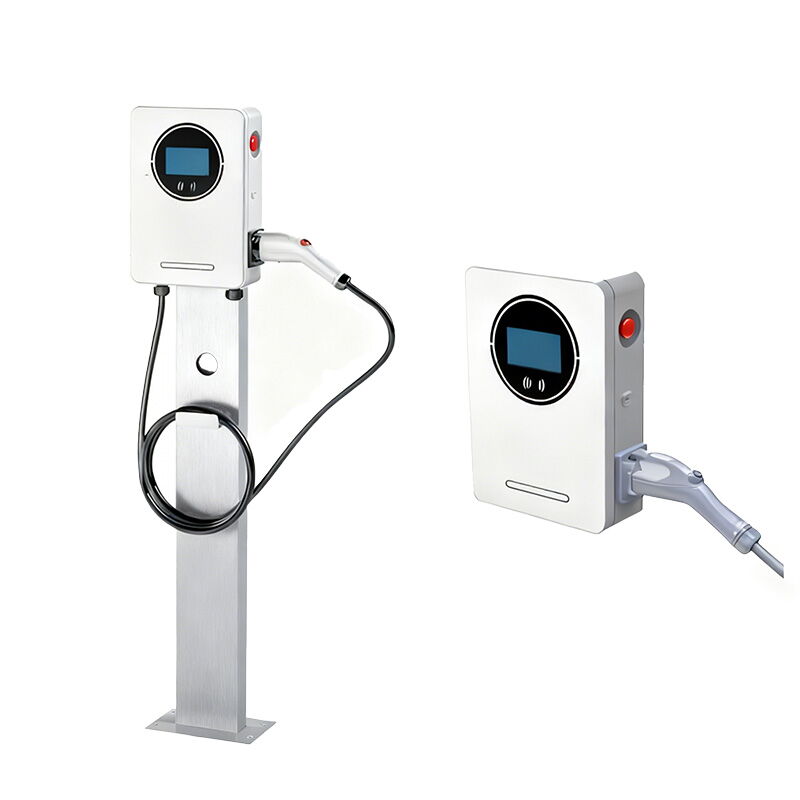
The Type 1 EV charging connector is a five-pin AC charging interface, commonly known as SAE J1772. It is mainly designed for single-phase AC charging and is widely used in Level 1 and Level 2 charging applications in North America.
Type 1 represents the vehicle charging interface or connector standard, while the actual equipment controlling the safe transfer of electricity is called the charger or EVSE (Electric Vehicle Supply Equipment).
It is important to understand that Type 1 does not mean DC fast charging. A standard Type 1 connector only supports AC charging. If a vehicle uses a CCS Combo 1 interface, additional DC charging contacts are added to enable DC fast charging. However, this is different from a normal Type 1 AC charging connection.
The Type 1 connector adopts a five-pin design, with each pin performing a specific function.
- The L1 pin is used for transmitting the live wire of the single-phase AC power supply.
- The N or L2 pin completes the single-phase AC circuit. Depending on the electrical system design, it may represent the neutral line or the second power line.
- The PE (Protective Earth) connection provides grounding protection and improves charging safety.
- The CP (Control Pilot) enables communication between the vehicle and charging equipment. It manages charging status confirmation, current limitation, and safety control functions.
- The PP (Proximity Pilot) detects whether the charging plug is properly connected and identifies cable connection and locking conditions.
Type 1 charging connectors are mainly associated with the North American and Japanese EV markets. They are commonly found in some early electric vehicles and imported models.
Examples include certain Nissan Leaf models, Mitsubishi Outlander PHEV models, Ford Focus Electric, and Toyota Prius Plug-in Hybrid vehicles.
Although many newer EV models have shifted to other connector standards, Type 1 charging equipment is still used by some vehicles and private charging applications, especially for EV owners whose vehicles are already equipped with J1772 interfaces.
The charging speed of Type 1 depends on several factors, including EVSE power rating, vehicle onboard charger capacity, electrical connection conditions, and the maximum charging current supported by the installation system.
Since Type 1 mainly supports single-phase AC charging, it is more suitable for residential charging, workplace charging, campus charging, and destination charging. It is generally not used as the main solution for large-scale public fast charging networks.
Low-power portable Type 1 chargers usually provide approximately 3 kW to 3.7 kW charging power depending on input voltage and charging current. Under suitable conditions, a 32A Type 1 AC charging system can provide around 7 kW charging power.
For DC fast charging requirements, users should choose CCS charging systems rather than standard Type 1 connectors.

Type 2 is the dominant AC charging standard in Europe and many international markets. Compared with Type 1, Type 2 offers higher flexibility, better compatibility, and stronger expansion capability.
The Type 2 EV charging connector, also known as the Mennekes connector, is widely adopted in Europe and has gradually become an important global EV charging interface.
Unlike Type 1, Type 2 supports both single-phase and three-phase AC charging. This allows it to provide higher charging capacity and greater flexibility.
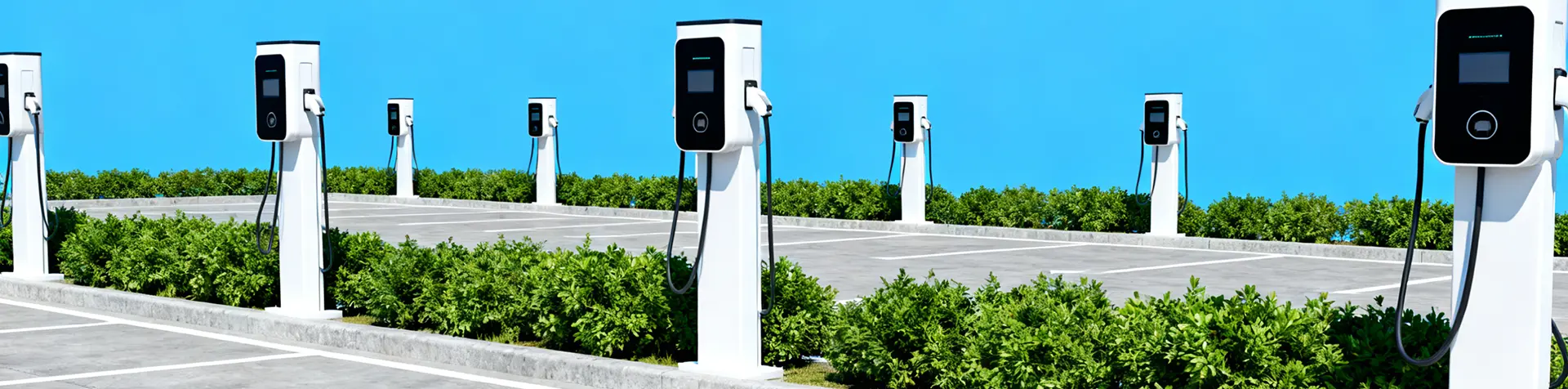
Type 2 is suitable for various applications, including home charging, workplace charging, public charging stations, commercial buildings, and EV fleet charging.
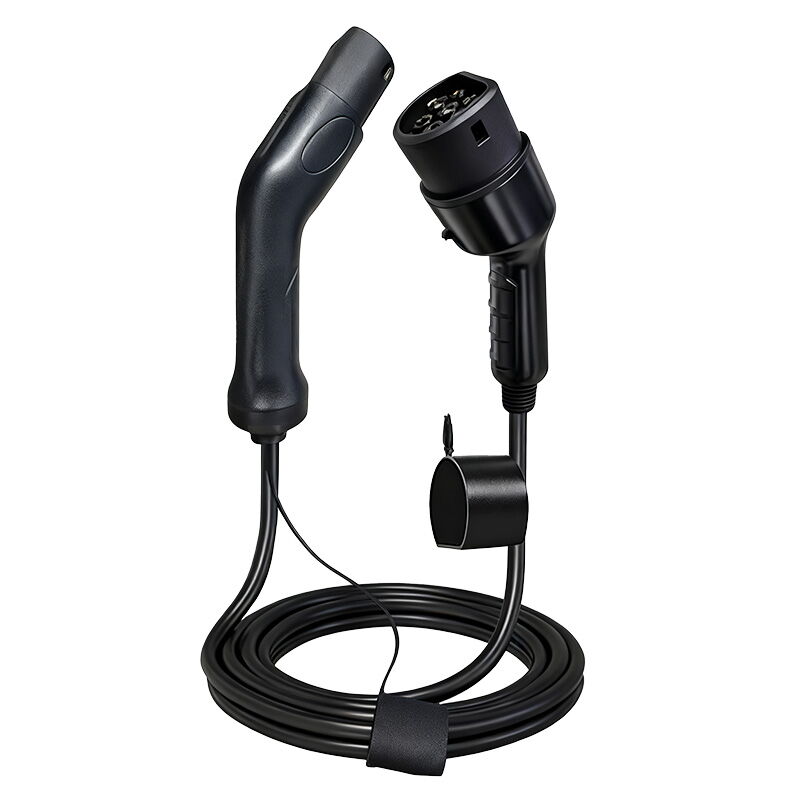
The Type 2 connector uses a seven-pin structure, providing two additional pins compared with Type 1.
These additional pins allow three-phase AC power transmission, enabling Type 2 to support both single-phase and three-phase charging modes.
The seven pins include power lines, neutral connection, protective earth, control pilot, and proximity pilot functions. This design provides stronger communication capability and improved safety monitoring.
One of the most important advantages of Type 2 is its compatibility with CCS2.
The CCS2 DC fast charging interface is developed based on the Type 2 AC interface. Two additional large DC charging contacts are added below the AC pins, allowing high-power DC charging.
This combination of Type 2 AC charging and CCS2 DC fast charging has become a major direction for EV charging infrastructure development in Europe and many global markets.
Most modern electric vehicles sold in the UK and European markets use Type 2 charging interfaces.
Common models include Tesla Model 3, Tesla Model Y, Hyundai Kona Electric, Kia EV6, Volkswagen ID.3, Volkswagen ID.4, BMW i4, Polestar 2, and MG4.
As Type 2 has become the mainstream standard in the European EV market, Type 2 charging cables have become one of the most widely selected charging accessories for modern electric vehicle owners.
Type 2 charging cables support both single-phase and three-phase AC charging. When a three-phase power supply is available, Type 2 systems can achieve charging power of up to approximately 22 kW.
Compared with Type 1, which is limited mainly by single-phase charging, Type 2 provides better charging efficiency for commercial applications, public charging stations, office buildings, and EV fleets.
The popularity of Type 2 is mainly due to its higher charging capability, improved compatibility, and standardized adoption across European charging infrastructure.
The main differences between Type 1 and Type 2 charging connectors can be summarized in four aspects: connector design, charging power, market distribution, and application scenarios.
Type 1 uses a five-pin design and mainly supports single-phase AC charging.
Type 2 uses a seven-pin structure and supports both single-phase and three-phase AC charging.
The different pin structures directly determine their charging capability and application range.
Type 1 charging cables usually provide a maximum charging power of around 7.4 kW.
Type 2 charging cables can support up to approximately 22 kW AC charging under suitable three-phase power conditions.
Therefore, Type 2 generally provides faster AC charging capability.
Type 1 is mainly used in earlier EV models, especially in Japan and North America.
Type 2 has become the dominant standard in Europe and many international markets because of its higher power capability, wider compatibility, and better support for modern charging infrastructure.
Type 1 is suitable for home charging, workplace charging, and destination charging.
Type 2 is suitable for a wider range of applications, including residential charging, commercial charging stations, public infrastructure, and EV fleet charging.
Besides Type 1 and Type 2, CCS and CHAdeMO are also important EV charging standards.
CCS is a DC fast charging system. CCS1 is based on Type 1 and is mainly used in North America, while CCS2 is based on Type 2 and is widely used in Europe and other regions.
CHAdeMO was mainly developed in Japan and used in early EV fast charging systems. Although some existing vehicles and charging stations still support CHAdeMO, its application in new EV models is gradually decreasing as CCS becomes more widely adopted.
When selecting EV charging cables or designing charging infrastructure, users should consider vehicle type, charging environment, power requirements, and future compatibility.
For individual users, the most important step is confirming the vehicle charging interface.
Type 1 cables are suitable for vehicles equipped with J1772 connectors, while Type 2 cables are suitable for most modern European EVs and provide higher charging flexibility.
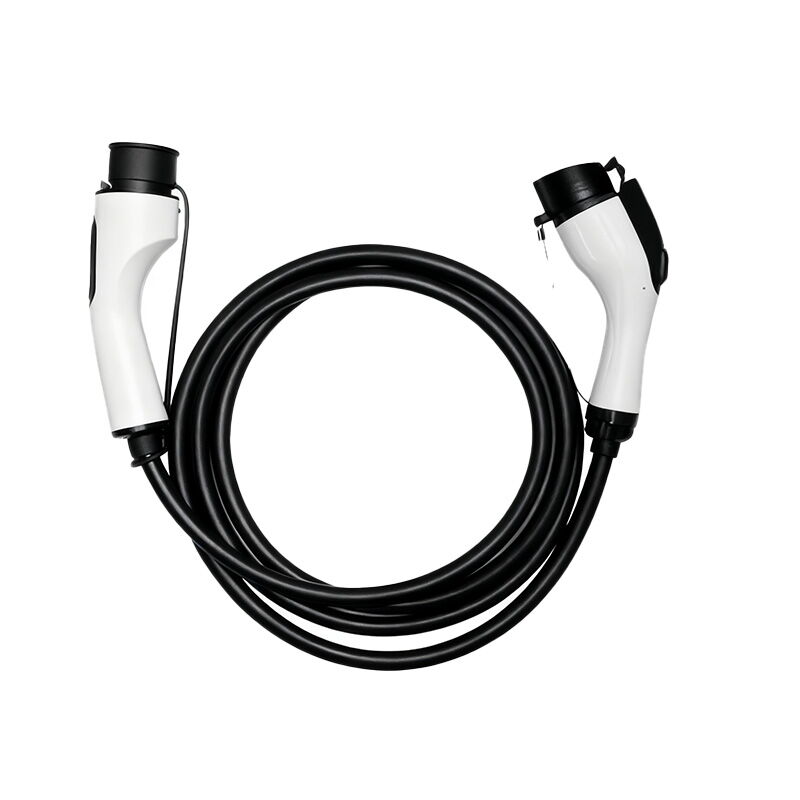
For most modern EV owners, Type 2 to Type 2 charging cables are currently one of the most common and versatile choices.
Many public AC charging stations use socket-based designs without fixed charging cables, meaning users need to carry their own charging cable. In these situations, carrying a suitable Type 2 charging cable provides greater convenience.
For new charging infrastructure construction, Type 2 AC charging combined with CCS DC fast charging is usually the preferred solution because it supports a wider range of vehicles and provides better future compatibility.
When using adapters or conversion cables, users should carefully check the vehicle connector type, charging station interface, maximum current rating, grounding requirements, and safety certifications.
Poor-quality or incompatible adapters may cause overheating, communication failures, charging interruptions, or safety risks.
Type 1 and Type 2 are the two most common AC charging connector standards for electric vehicles. Type 1 uses a five-pin design and mainly supports single-phase AC charging. It is commonly used in North American and Japanese vehicles and is suitable for home, workplace, and destination charging. Type 2 uses a seven-pin structure and supports both single-phase and three-phase AC charging. It provides wider compatibility, higher charging capacity, and better future expansion capability. Whether choosing a charging cable as an individual EV owner or planning charging infrastructure as a business, the decision should be based on vehicle compatibility, charging requirements, application environment, and future development trends. A complete understanding of EV charging connector types and their differences is essential for ensuring safe, efficient, convenient, and reliable electric vehicle charging.