Understanding Smart EV Charging Management Systems

With the continuous growth of electric vehicle (EV) ownership, the challenges caused by large-scale EV charging demand have become increasingly significant. When a large number of electric vehicles charge simultaneously without proper coordination, uncontrolled charging can create excessive pressure on power grids. This may lead to transformer overload, voltage fluctuations, reduced power supply reliability, and increased electricity costs for users and operating expenses for businesses.
Simply expanding grid infrastructure to meet increasing charging demand is not always the best solution. Grid expansion requires significant investment, long construction periods, and complex infrastructure upgrades. Therefore, improving the efficiency of existing energy resources through intelligent management has become an important approach.
Smart charging management systems have emerged as an effective technology to solve these challenges. A smart charging management system is an integrated energy management solution that coordinates charging power and distributes electricity resources through real-time monitoring and dynamic control. By considering factors such as grid capacity, battery state of charge, vehicle departure time, charging priority, electricity prices, and renewable energy availability, the system automatically adjusts charging schedules and charging power for individual vehicles.
This intelligent approach ensures that electric vehicles can complete charging according to actual requirements while preventing charging facilities from exceeding their available power capacity. For charging operators, fleet managers, commercial facilities, and residential communities, smart charging management can reduce peak electricity demand, lower energy costs, extend the service life of charging equipment and batteries, and improve overall system reliability.
This article provides a detailed analysis of the working principles, core advantages, cost-saving benefits, load management functions, and practical applications of smart EV charging management systems, explaining how this technology supports the coordinated development of electric transportation and modern energy systems.
A smart charging management system is an advanced energy management tool designed specifically to optimize the charging process of electric vehicles. Unlike traditional charging methods, where vehicles charge independently without considering external conditions, smart charging systems use digital communication, data monitoring, and intelligent control algorithms to coordinate multiple charging devices and optimize electricity usage.
The system connects multiple distributed charging stations and integrates them into a centralized energy management platform. Through continuous monitoring of charging status, energy consumption, grid conditions, and vehicle requirements, the platform can dynamically control charging activities and achieve efficient allocation of available electrical resources.
The operation of a smart charging management system depends on various factors, including current grid capacity, remaining battery level, expected departure time, and vehicle operational priority. Based on these conditions, the system automatically determines the most suitable charging strategy for each vehicle.
For example, vehicles that need to perform transportation tasks soon can receive higher charging priority and greater power allocation. Vehicles that will remain parked for a longer period can be scheduled to charge during nighttime hours or other low-cost electricity periods.
Through intelligent charging scheduling, the system can achieve multiple objectives. It helps prevent grid overload, reduces peak electricity costs, improves energy utilization efficiency, and decreases the need for expensive grid expansion projects.

The rapid growth of electric vehicles and the increasing application of renewable energy sources together create new challenges for modern energy systems. These challenges make smart charging management an essential technology for future transportation and energy infrastructure.
As electric vehicle adoption continues to increase, the relationship between transportation systems and energy networks is changing significantly. In traditional transportation systems, fuel supply infrastructure and electricity networks operated separately. However, electric vehicles directly connect transportation demand with electricity supply.
Modern energy systems now need to coordinate multiple elements, including electric vehicles, distributed energy resources such as solar photovoltaic systems, energy storage equipment, and digital control platforms.
Without smart charging management, a large number of vehicles charging at the same time may create excessive electricity demand. This can increase pressure on local distribution networks, reduce infrastructure efficiency, and affect power supply stability.
Smart charging management provides an effective solution by balancing charging demand with available electricity resources. Instead of allowing every vehicle to charge at maximum power immediately after connection, the system intelligently distributes energy based on real-time conditions and actual user requirements.
The growing use of renewable energy also increases the need for flexible energy management. Renewable sources such as solar and wind power have unstable generation characteristics because their output depends on weather conditions, sunlight availability, and seasonal changes.
This fluctuation creates difficulties in maintaining a balance between electricity supply and demand. Smart energy management systems are required to coordinate renewable energy generation, grid electricity, energy storage, and EV charging demand.
Smart charging systems optimize charging schedules according to energy availability. For example, when solar power generation is high, the system can prioritize using renewable electricity for vehicle charging. When renewable generation decreases, charging power can be adjusted based on grid capacity and electricity costs.
By aligning EV charging behavior with renewable energy availability, smart charging management improves energy efficiency and supports a more stable and sustainable power system.
Smart charging management achieves intelligent energy distribution through two key processes: real-time data collection and monitoring, and dynamic charging strategy development.
The first step of smart charging management is collecting real-time operational data. The system monitors electricity consumption, charging requirements, grid capacity, charging equipment status, and other important parameters.
Smart meters continuously measure energy usage throughout charging facilities. The monitored data includes charging stations, building electrical loads, energy storage systems, and renewable energy equipment.
Based on this information, the system determines the available power capacity and calculates how much electricity can be allocated to EV charging without affecting grid stability.
Real-time monitoring also helps detect potential problems, such as charging equipment failures, communication interruptions, or abnormal power consumption. Maintenance teams can receive alerts and take preventive actions before problems affect operations.
After collecting operational data, charging management software develops dynamic charging strategies and assigns different priorities to connected vehicles.
Vehicles with urgent operational requirements receive higher priority. For example, fleet vehicles scheduled for delivery services or transportation tasks can receive additional charging power to ensure they are ready on time.
Vehicles that do not require immediate use can be charged during off-peak periods when electricity prices are lower. This reduces energy costs while avoiding excessive pressure on the power grid.
Through dynamic charging control, smart charging systems can prevent peak electricity demand, reduce operating costs, improve charging equipment utilization, and delay expensive electrical infrastructure upgrades.

Smart charging management provides several important advantages, including peak load reduction, fleet management improvement, renewable energy optimization, standardized system integration, and flexible electricity price utilization.
One of the most important advantages of smart charging is preventing peak load problems caused by uncontrolled charging. When many EVs charge simultaneously, electricity demand can increase rapidly and exceed local grid capacity.
Smart charging systems solve this problem by adjusting charging power and charging schedules among different vehicles. This maintains grid stability while ensuring that vehicles receive sufficient energy.
By improving the utilization efficiency of existing charging infrastructure, companies can reduce the need for costly grid expansion projects.
For commercial EV fleets, smart charging systems provide comprehensive monitoring and operational management functions. The system can display real-time charging status and automatically adjust charging priorities according to vehicle schedules, routes, and departure times.
The system can also identify charging abnormalities, reduced charging efficiency, and communication failures. Early warnings allow maintenance teams to respond quickly, reducing downtime and improving fleet reliability.
For charging facilities equipped with solar photovoltaic systems, smart charging can maximize renewable energy utilization. The system can prioritize locally generated solar power for EV charging, reducing dependence on grid electricity.
When combined with energy storage systems, excess renewable energy can be stored and used during periods of high demand. The system can automatically select between solar energy, stored energy, and grid electricity according to real-time conditions.
Smart charging systems can integrate with existing energy management platforms through communication protocols such as OCPP and Modbus. This enables data exchange between charging equipment, building energy systems, storage systems, and other intelligent devices.
Through integration, companies can manage overall energy consumption more efficiently. For example, non-essential loads such as building air conditioning can temporarily reduce power consumption when EV charging demand increases.
Smart charging systems can analyze electricity price changes and schedule charging during low-cost periods. By avoiding expensive peak electricity periods, businesses can reduce energy expenses and improve overall energy efficiency.
Smart charging management helps businesses reduce costs by lowering dependence on grid electricity, optimizing charging schedules, extending battery life, delaying infrastructure upgrades, and reducing maintenance expenses.
By increasing the use of renewable energy and improving charging efficiency, companies can achieve long-term operational savings. Intelligent charging strategies can also reduce battery degradation caused by improper charging methods and extend battery service life.
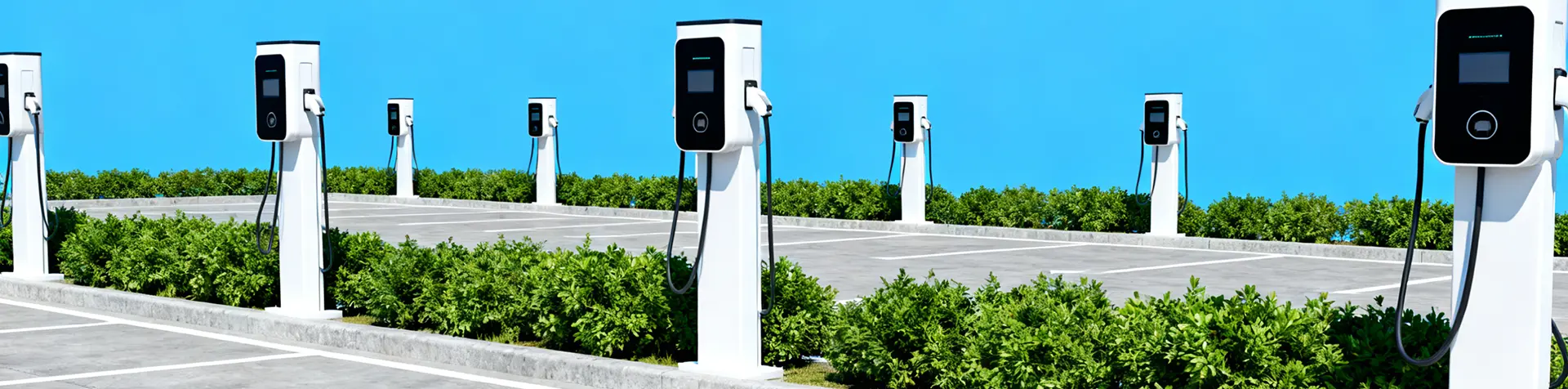
Smart charging and load management technologies are now widely used in enterprise fleets, public charging networks, residential communities, and commercial parking facilities.
With the development of data analytics and machine learning, smart charging systems are becoming more accurate and intelligent. By analyzing charging behavior, energy consumption patterns, electricity prices, and user habits, these systems can predict future demand and create personalized charging strategies.
Future smart charging systems will further integrate electric vehicles, renewable energy, energy storage, and artificial intelligence technologies. Vehicle-to-grid (V2G) technology will allow EV batteries to provide energy support to the grid, transforming electric vehicles into flexible energy resources.
Smart charging management systems have become a key technology for supporting electric vehicle development and modern energy transformation. Through real-time monitoring, dynamic charging control, load management, renewable energy integration, and intelligent data analysis, smart charging systems optimize electricity distribution while ensuring reliable vehicle charging.
Compared with traditional charging methods, smart charging provides significant benefits, including reducing peak grid loads, lowering energy costs, improving infrastructure utilization, extending battery life, and delaying expensive grid upgrades.
As electric vehicles and renewable energy continue to expand, smart charging management will play an increasingly important role in creating a more efficient, reliable, and sustainable transportation energy ecosystem. It will support the transition toward intelligent energy systems and promote the coordinated development of electric mobility and clean energy.