EV Charging or Gasoline Car Refueling: Cost Analysis
When purchasing a vehicle, consumers are often faced with a fundamental decision: whether to choose an electric vehicle (EV) or a traditional gasoline-powered car. This decision is increasingly important as automotive technology evolves and energy systems transition globally. One of the most critical considerations in this choice is the total cost of ownership over time. However, evaluating which type of vehicle is more economical cannot be based solely on the purchase price. A complete analysis must include daily energy consumption costs, maintenance requirements, component replacement cycles, charging or refueling convenience, and long-term financial implications.
This article uses the comparison between EV charging and gasoline refueling as a starting point and provides a comprehensive breakdown of the differences between the two vehicle types. It examines energy costs, upfront investment, maintenance expenses, battery replacement considerations, and charging infrastructure. It also analyzes the key variables that influence EV charging costs—such as regional electricity pricing, charging methods, charging speed, and station availability—and provides practical recommendations for reducing ownership costs. Finally, it offers guidance for different user profiles to help consumers make informed and rational decisions based on their driving needs and financial conditions.
In discussions comparing electric and gasoline vehicles, operating cost remains the most important factor influencing consumer decisions. When comparing electricity-based charging with gasoline refueling, a clear and consistent difference emerges: EVs are generally much cheaper to operate on a daily basis.
Based on average data in the United States, the monthly electricity cost for charging an EV is approximately $66.66. In contrast, the average monthly fuel cost for a gasoline-powered vehicle is around $182.50. This results in an estimated annual savings of about $1,390.08 for EV users. Over a multi-year ownership period, this gap becomes increasingly significant and can represent a substantial portion of total vehicle expenses.
Another important advantage of electricity over gasoline is price stability. Electricity prices tend to fluctuate less dramatically compared to fuel prices, which are influenced by global oil markets, geopolitical tensions, and supply chain disruptions. As a result, EV owners benefit not only from lower costs but also from more predictable monthly expenses. For individuals who commute daily or rely heavily on personal transportation, this stability offers meaningful financial planning advantages.
Although EVs are generally more economical in the long run, they often require a higher initial purchase price compared to gasoline vehicles. This upfront cost is one of the primary barriers for many consumers.
One of the most common additional expenses associated with EV ownership is the installation of home charging equipment. While basic charging setups may be relatively affordable, more advanced Level 2 chargers often require professional installation. In some cases, the household electrical system may need upgrades to support higher power demand, which can significantly increase costs. Therefore, before purchasing an EV, it is essential for consumers to evaluate whether their home electrical infrastructure is compatible with charging requirements.
Battery replacement is another potential long-term cost factor. Although modern EV batteries are designed for durability, they remain one of the most expensive components in the vehicle. Typically, EV batteries last between 10 and 15 years, depending on usage patterns, charging habits, and environmental conditions. Many manufacturers provide warranties covering 100,000 miles or more, which helps reduce financial risk for consumers.
However, in cases where replacement is necessary, costs can be substantial. This makes battery longevity and warranty coverage important considerations when evaluating different EV models.
Overall, the economic evaluation of EVs must go beyond daily operating costs and include purchase price, infrastructure investment, and long-term component replacement risks.
EV charging costs are not fixed and can vary significantly depending on several external and user-specific factors.
Electricity prices differ widely across regions. For example, states on the U.S. West Coast generally have higher electricity rates compared to Midwestern states. These differences directly influence the cost of charging an EV. In addition, some utility providers offer special EV charging plans, including reduced rates during off-peak hours, which can significantly lower costs for users who charge overnight.
The method used for charging plays a crucial role in determining overall expenses. Home charging is typically the most cost-effective option, especially when combined with time-of-use pricing. Public charging stations, however, can vary widely in cost. Some offer free charging as a promotional or customer service feature, while others charge premium rates.
Fast-charging stations are particularly expensive, with prices often ranging from $0.30 to $0.50 per kilowatt-hour. In some cases, fast charging costs can approach or even exceed the cost-equivalent of gasoline, depending on local fuel prices.
Charging speed directly impacts cost efficiency. Level 2 charging, which is slower, is generally more economical. Fast charging reduces waiting time but increases cost per kilowatt-hour. Users who can plan ahead and charge during off-peak hours can significantly reduce overall energy expenses.
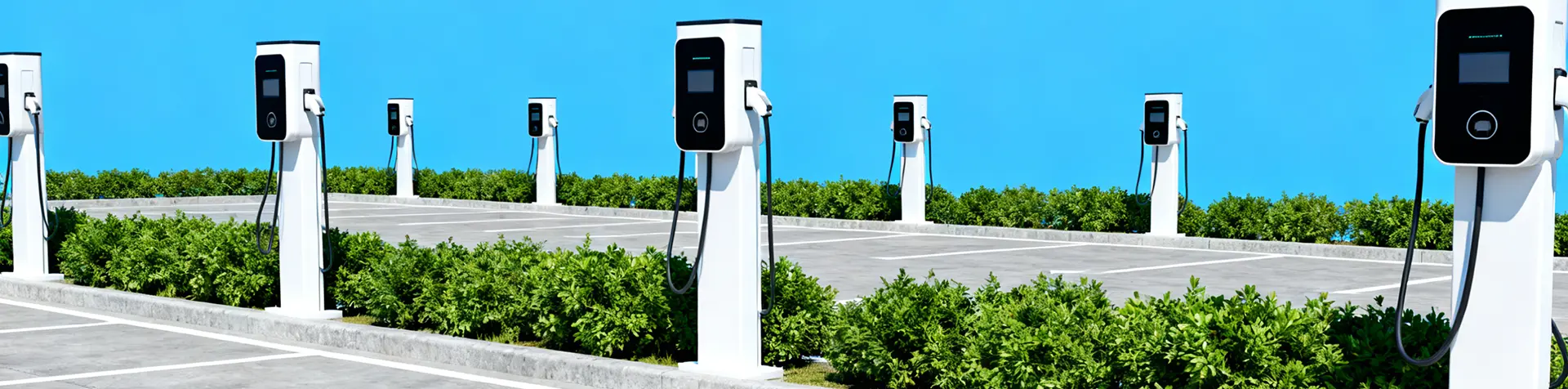
The availability and accessibility of charging stations also affect ownership costs. Urban areas tend to have dense charging networks, making EV usage more convenient. In contrast, rural or remote areas may have limited infrastructure, which can lead to higher travel planning complexity and potential detours, indirectly increasing usage inconvenience and cost.
Consumers can adopt several strategies to maximize the financial benefits of EV ownership.
One of the most effective methods is charging during off-peak electricity hours, typically at night. Many utility companies offer time-of-use pricing plans, where electricity rates are significantly lower during periods of low demand.
Government incentives, tax credits, and utility rebates can substantially reduce both purchase and operating costs. These programs vary by region, so consumers should actively research available benefits before purchasing a vehicle.
In deregulated electricity markets, consumers can choose between different providers. Comparing plans and selecting the most cost-effective option can result in meaningful long-term savings.
Installing solar panels allows EV owners to generate their own electricity. Although the upfront installation cost is high, the long-term savings can be substantial. In some cases, users may achieve near-zero charging costs depending on system capacity and energy consumption.
The decision to purchase an EV should be based on individual usage patterns and lifestyle requirements.
EVs are particularly suitable for individuals with short to moderate daily commutes, access to home charging, and relatively stable electricity prices. These users can fully benefit from lower operating costs and reduced maintenance requirements.
Drivers who frequently travel long distances or lack reliable charging access should carefully evaluate EV suitability. These users may encounter challenges such as charging delays, limited station availability, or range anxiety during long trips.
Beyond financial considerations, EVs provide significant environmental benefits. Since they produce zero tailpipe emissions, they contribute to reduced air pollution and lower greenhouse gas emissions. This is particularly important in densely populated urban areas, where vehicle emissions significantly impact air quality and public health.
EVs also reduce dependence on fossil fuels such as gasoline and diesel, supporting global efforts toward energy diversification and sustainability. As renewable energy sources continue to expand, the environmental advantages of EVs are expected to increase further.
The EV market has expanded rapidly, offering a wide range of models for different consumer needs and budgets. Popular options include compact city cars, mid-range sedans, and high-performance electric SUVs. This diversity allows consumers to choose vehicles based on factors such as driving range, price, design preferences, and performance requirements.
A useful metric for comparing EVs and gasoline vehicles is cost per mile.
EVs typically consume around 0.3 kilowatt-hours per mile. Based on average electricity prices, this translates to approximately $0.03 to $0.06 per mile. In contrast, a gasoline vehicle achieving 25 miles per gallon with fuel priced at $3.50 per gallon has a cost of about $0.14 per mile. This clearly demonstrates the cost advantage of EVs in terms of energy efficiency.
Maintenance Advantages of EVs: EVs have fewer moving parts than internal combustion engine vehicles, resulting in lower maintenance requirements. They do not require oil changes, and regenerative braking systems reduce brake wear. Additionally, there is no engine combustion system to maintain. Over a five-year period, EV owners can save approximately $4,600 in maintenance costs.
Maintenance Requirements of Gasoline Vehicles: Gasoline vehicles require regular oil changes, transmission servicing, exhaust system maintenance, and engine repairs. These recurring expenses accumulate over time and significantly increase total ownership cost.
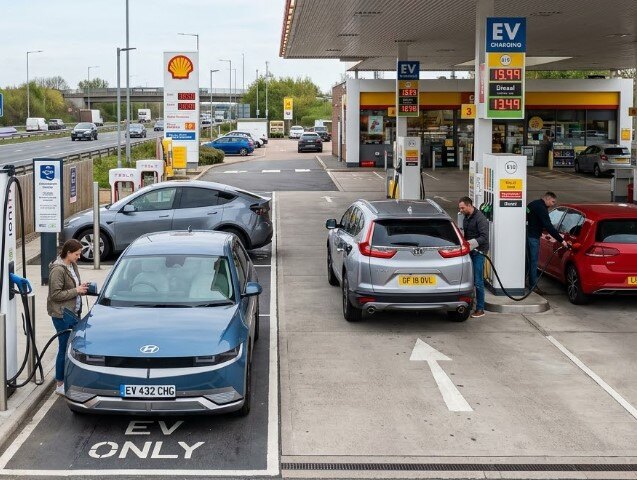
Gasoline stations are currently more widely distributed than EV charging stations. However, EV infrastructure is expanding rapidly. Approximately 80% of EV charging occurs at home, allowing users to charge overnight conveniently.
As public and private investments increase, charging networks in commercial areas, residential complexes, and workplaces continue to grow. This expansion significantly improves accessibility for users without home charging capabilities.
Over the full lifecycle of a vehicle, EVs generally provide significant cost savings. Fuel savings alone can reach $800 to $1,000 per year. When combined with maintenance reductions and government incentives, total lifetime savings can exceed $10,000.
As renewable energy adoption increases, electricity prices may stabilize or decline, further enhancing the economic advantage of EV ownership.
Battery capacity directly affects charging requirements, while efficiency determines how far a vehicle can travel on a given amount of energy. Although battery replacement can be expensive, modern EV batteries are designed for long service life and come with extended warranties.
Gasoline engines also incur long-term maintenance or replacement costs, and fuel prices remain volatile due to global market conditions, making long-term budgeting more uncertain.
When evaluating total cost of ownership, it is essential to consider purchase price, energy consumption, maintenance costs, and long-term depreciation. EVs generally offer lower operating costs and increasing environmental benefits. As technology advances and infrastructure improves, EVs are becoming a more practical and economically attractive option. For consumers seeking long-term savings and reduced environmental impact, electric vehicles represent a compelling and forward-looking transportation choice.