Networked EV Charger vs. Non-Networked EV Chargers
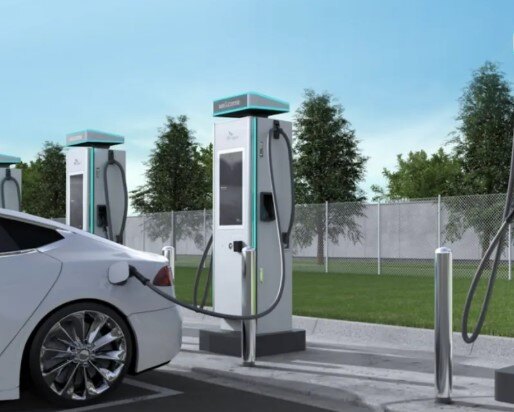
As electric vehicles become increasingly popular, more and more businesses are considering installing charging stations. When choosing charging equipment, one key question arises: should you choose networked EV chargers or non-networked EV chargers? Both types of devices can supply electricity to electric vehicles, but they differ significantly in terms of cost, functionality, management, and maintenance. This article provides a detailed comparison of the two ev chargers across multiple dimensions to help businesses and individual users make the right choice.
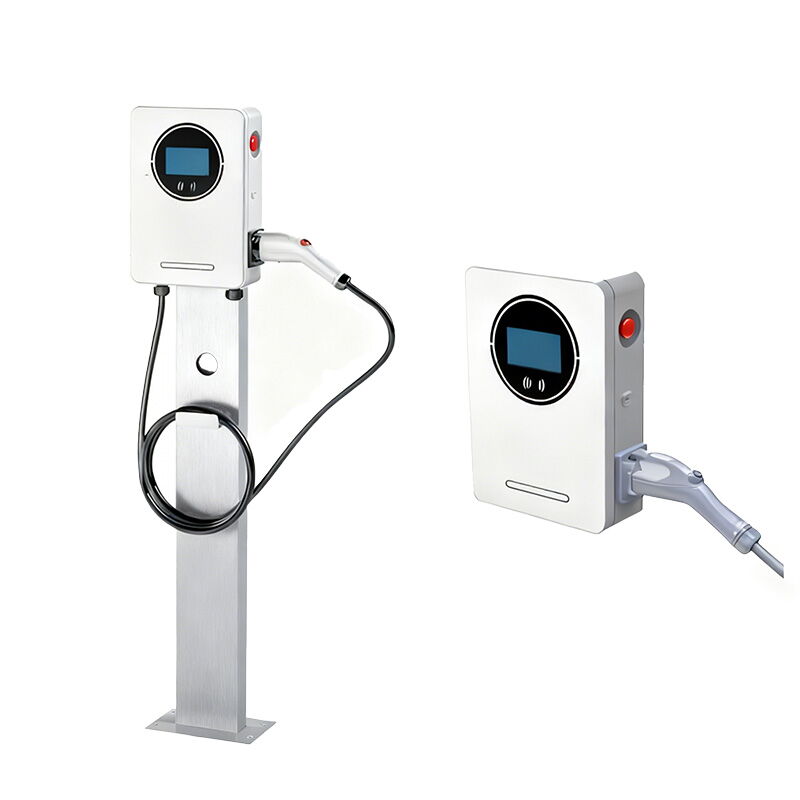
Networked EV Chargers: Networked EV chargers refer to charging devices that can connect to the internet and are part of a charging infrastructure network. These chargers enable remote management through online platforms, allowing users to view device status, usage data, and operational conditions through a web portal. Networked EV chargers are typically equipped with integrated payment systems, user authentication functions, and mapping services.
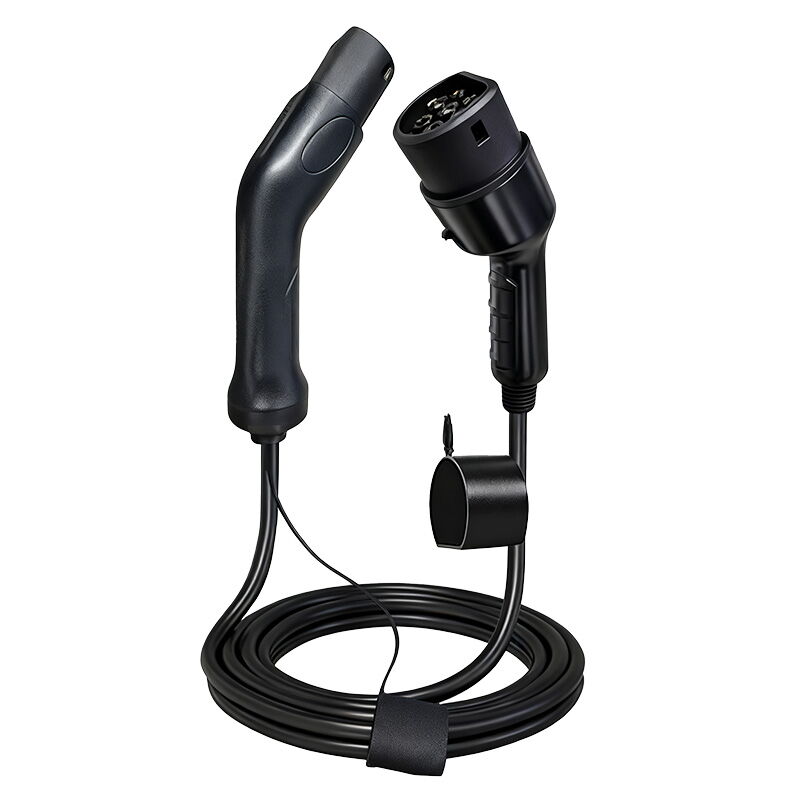
Non-Networked EV Chargers: Non-networked EV chargers are standalone charging devices that do not connect to any network infrastructure. These devices work immediately after being plugged into a power source and do not require Wi-Fi, mobile networks, or Ethernet connections. Charging progress can only be observed through indicator lights on the device or the vehicle dashboard. Non-networked EV chargers have a simple structure and mainly provide basic plug-and-charge functionality.
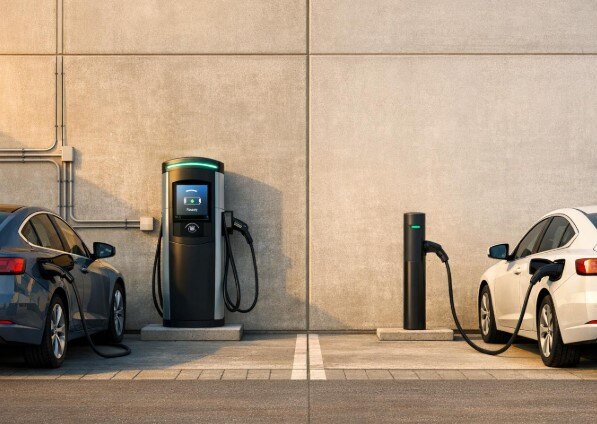
After understanding the basic concepts, cost is often the most important practical concern for both enterprises and individual users. Next, we will compare networked and non-networked EV chargers in terms of purchase price, installation cost, operating cost, and maintenance cost to help you evaluate the overall investment.
Non-networked EV chargers generally have lower hardware costs. Home-use non-networked chargers typically range from $200 to $1,500, while commercial non-networked Level 2 chargers cost approximately $1,182 per unit. These devices do not include networking modules or remote management technologies, which reduces manufacturing costs.
Networked EV chargers have significantly higher purchase costs. The average price of commercial Level 2 networked chargers is around $3,127 per unit, and some models such as the Blink IQ 200 retail for approximately $3,500. However, part of this cost can be offset through supplier business models, as well as federal and state incentives and subsidies.
Installation costs depend on site conditions. For commercial Level 2 chargers, labor and materials typically range from $2,305 to $4,148 per unit. In California, the average installation cost is about $4,148, while in other states the average is around $2,836. If multiple chargers are installed at the same time, the per-unit installation cost can be reduced. In addition, permitting fees generally range from $50 to $300. For residential installations, basic Level 2 hardware installation costs are typically between $380 and $690. It is recommended to use professional installation teams for on-site evaluation in order to optimize installation design and control costs.
Non-networked EV chargers do not require network subscription fees, but since they cannot set usage fees through the internet, they usually only provide free charging after installation. Operating costs are entirely dependent on electricity consumption. Depending on usage frequency, monthly electricity costs can range from a few dollars to several thousand dollars. Since users cannot be charged, all operating costs are borne by the equipment owner.
Networked EV chargers usually require a monthly network fee to maintain connectivity and data management services. However, some providers (such as Blink) may reimburse electricity consumption costs. Networked EV chargers can charge users through integrated payment systems, including per-kWh billing, time-based charging, or membership plans, thereby helping offset operating costs and generate revenue.
Both types of EV chargers require regular maintenance, such as cleaning equipment and inspecting cables. The maintenance cost of non-networked EV chargers is generally $200 to $400 per unit per year, but when faults occur, technicians must go on-site for troubleshooting and repair, and each maintenance visit may cost hundreds to thousands of dollars. Networked EV chargers also have annual maintenance costs, but they support remote diagnostics and software updates, which significantly reduces the need for on-site labor and related expenses.
After evaluating costs, it is also important to consider functional differences. The differences between networked and non-networked EV chargers in remote management, payment methods, and map visibility directly affect daily convenience and operational efficiency. The following section compares these key functions in detail.
The core advantage of networked EV chargers is their remote management capability. Owners can use online platforms to view real-time charger status, usage data, and operational health. They can remotely start or stop charging, control who can use the charger, how long it can be used, and operating schedules. Load management software can intelligently distribute power across multiple chargers, prevent circuit overload, and reduce the need for costly electrical upgrades when multiple devices share the same circuit. In addition, networked chargers support remote firmware updates, enabling continuous feature improvements and security patches.
Non-networked EV chargers do not have any remote management functions. Once installed, they can only be operated on-site. Fault diagnosis, software updates, or configuration changes must all be performed manually on location.
Networked EV chargers support multiple payment methods, including mobile applications, credit cards, and RFID cards. They can implement dynamic pricing based on time, demand, or other factors. The system automatically records each transaction and generates detailed revenue reports.
Non-networked EV chargers cannot process payments. Once a vehicle is plugged in, charging begins, but the system cannot track who used the electricity or how much energy was consumed. Locations using non-networked chargers usually provide free charging only.
Networked EV chargers automatically appear on public charging maps such as Google Maps, PlugShare, and Blink maps. These platforms display real-time availability and status, helping EV drivers locate and use charging facilities. This online visibility can significantly increase charger utilization rates.
Non-networked EV chargers do not automatically appear on any EVSE maps. If they are to be displayed, they must be manually added to online resources, but they are rarely listed. Therefore, for external drivers, non-networked chargers are essentially invisible, which significantly reduces their usage in public environments.
Networked EV chargers can record detailed usage data, including daily charging sessions, energy consumption, usage duration, and user information. These data can be used to generate detailed reports that help analyze charging station usage, revenue performance, and electricity costs, providing a basis for optimizing operational strategies.
Non-networked EV chargers cannot monitor detailed usage information and can only track total energy consumption over a period. They cannot determine how many vehicles were charged, how long charging lasted, or specific billing amounts.
Non-networked EV chargers are very simple to operate. Users do not need to download applications, register accounts, or swipe cards or scan codes. They simply plug the charging connector into the vehicle and charging begins immediately. This plug-and-charge simplicity is very convenient for home users or internal staff in familiar environments.
Networked EV chargers involve more steps. Users typically need to unlock the charger through a mobile application, RFID card, or account login. Although this adds complexity, it provides payment functions, usage tracking, and charging reports. In commercial and public scenarios, these additional features are necessary.
Networked EV chargers are suitable for locations that require detailed monitoring, management, and revenue generation from charging services, including:
Commercial sites such as shopping malls, hotels, and restaurants, where charging services can generate additional income and attract EV drivers.
Office buildings where companies provide charging services for employees and visitors, with different access controls or pricing strategies.
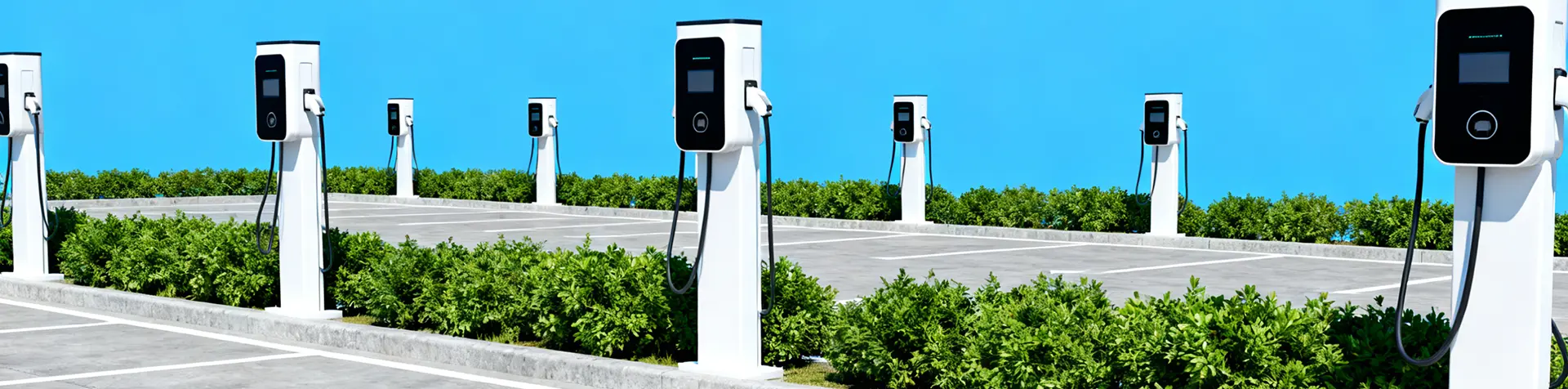
Public charging stations such as municipal parking lots and highway service areas, which require map visibility and payment functions.
Fleet management operations where companies need to track charging behavior, control access, and optimize electricity costs.
In these scenarios, monitoring usage or charging fees is an important operational requirement, and the advanced features of networked chargers meet these needs.
Non-networked EV chargers are suitable for environments with low management requirements, no need for charging fees, or no need for remote monitoring, including:
Residential home use, where most EV charging occurs. Home users usually only need to charge their own vehicles and do not require payment systems or mapping features.
Free charging benefits provided by companies or commercial locations as employee or customer perks.
Internal operations such as dealerships charging inventory vehicles or enterprises charging private fleets. In these cases, users are fixed and do not require public access or payment systems.
Low-traffic locations such as private residential communities where simplicity and ease of use are more important.
Networked EV chargers have significant advantages in scalability. With load management software, additional chargers can be installed without increasing electrical capacity. Devices can receive new features through remote firmware updates. They can also integrate with building energy systems such as solar panels or battery storage systems, optimizing renewable energy usage and reducing overall operating costs. In addition, they can participate in demand response programs, adjusting charging power during peak grid demand periods.
Non-networked EV chargers have limited flexibility. If upgrading to a networked system is required later, the entire device usually needs to be replaced, which offsets the initial cost savings. They cannot participate in smart grid interaction or integrate with renewable energy systems.
When choosing between charger types, the following three factors should be considered:
- Control authority: If you need to control who can use the charger, usage time, pricing, and operating schedules, networked EV chargers are the only option. Non-networked chargers cannot control access or electricity usage.
- Revenue potential: If you want to generate revenue from charging services to offset costs or make profits, networked chargers must be selected. Non-networked chargers usually only provide free charging.
- Public visibility: If you want to attract external EV users, map visibility provided by networked chargers is essential. Non-networked chargers are generally invisible to external drivers.
In addition, initial budget, usage frequency, user groups, and future expansion plans should also be evaluated. Networked chargers require higher upfront investment but offer full management capabilities and revenue potential. Non-networked chargers are low-cost and simple, suitable for free or basic charging scenarios.
Networked EV chargers and non-networked EV chargers each have their own characteristics and are suitable for different application scenarios. Networked chargers provide remote management, payment processing, map visibility, and data analytics, making them ideal for commercial, public, and fleet applications. Although they require higher initial investment and ongoing costs, they can offset expenses through charging services and offer strong management and scalability.
Non-networked EV chargers, as standalone devices, provide a simple plug-and-charge experience without requiring internet connectivity or user accounts. They have lower initial costs and are easy to operate, making them suitable for residential, free charging, and internal use scenarios. However, they lack remote monitoring, payment capabilities, and upgrade flexibility.
For business users, if charging facilities are intended for public use or require refined management, networked EV chargers are the more appropriate choice. If charging facilities serve only a fixed group of users and do not require billing, non-networked EV chargers can be a cost-effective solution. Regardless of the choice, it is recommended to evaluate specific needs, budgets, and long-term plans comprehensively, and consult professional installation teams for site assessment to ensure the most suitable EV charging solution is selected.