How to Buy a Home Electric Vehicle Charger

With the rapid global adoption of electric vehicles (EVs), more and more car owners are considering installing dedicated charging equipment at home. Compared with relying on public charging stations, home charging offers clear advantages such as flexible timing, controllable cost, and convenient daily use. However, facing the wide variety of charging products on the market, from power ratings and connector types to installation methods and smart features, ordinary consumers often find it difficult to quickly establish a clear purchasing strategy.
This article systematically organizes the key knowledge of home EV chargers from multiple dimensions, including technical parameters, installation conditions, safety standards, and economic costs. It aims to help readers make reasonable and practical purchasing decisions based on their vehicle model, residential environment, and electricity usage habits.
Currently, EV chargers on the market are mainly divided into three levels: Level 1, Level 2, and Level 3.
Level 1 uses a standard 120V household outlet, with a power output of about 1.4 to 1.9 kW, making it the slowest charging option. Level 2 uses 240V voltage, with a power range from 3.3 kW to 19.2 kW, and is the most common choice for home environments. Level 3 refers to DC fast charging, which is mainly used in public charging infrastructure and is not suitable for home installation. There are significant differences in performance between these charging levels.

Level 1 chargers use a standard 120V household outlet and are structurally simple, usually requiring no additional installation. Their power is about 1.4 to 1.9 kW, adding only about 3 to 5 miles of range per hour. This type is suitable for plug-in hybrid vehicles or emergency use cases with very low daily mileage. For pure electric vehicles, Level 1 charging is too slow, often requiring 24 to 48 hours for a full charge, making it unsuitable for daily commuting.
Level 2 chargers use 240V voltage and are the most common home charging solution. Their power range is typically between 3.3 kW and 19.2 kW, with mainstream home models concentrated between 6 kW and 11 kW. For example, a 7.2 kW unit can fully charge most EVs within 8 to 12 hours, adding about 10 to 20 miles of range per hour. This is sufficient for overnight charging and meets the daily needs of most households.
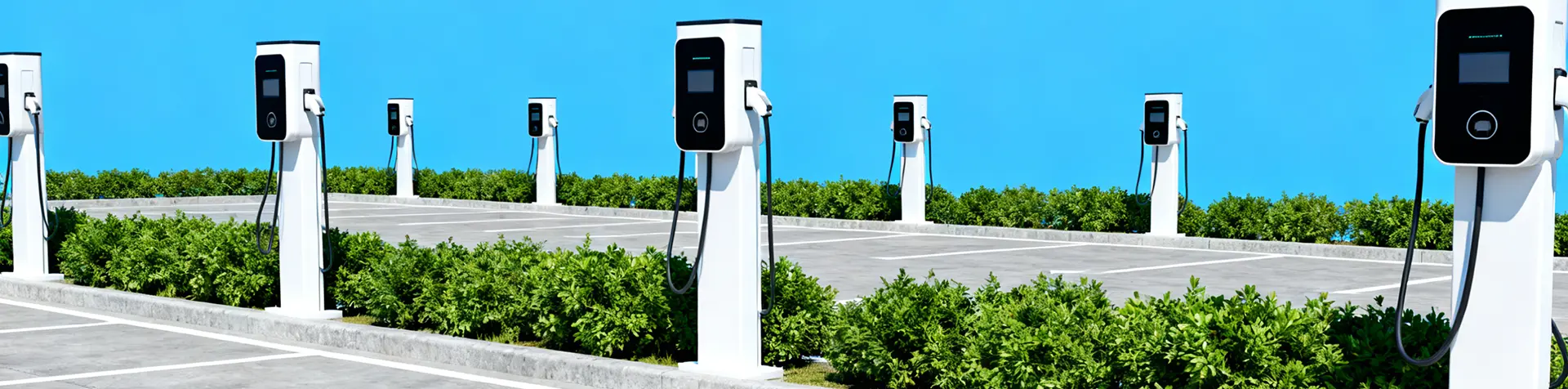
Level 3 DC fast charging belongs to public infrastructure, typically ranging from 50 kW to 350 kW. It can charge a battery to 80% in about 20 to 30 minutes. However, due to extremely high equipment cost, heavy power demand, and industrial-level grid requirements, Level 3 chargers are not suitable for home installation.
Charging speed is generally measured in kilowatts. A 3.7 kW single-phase charger is considered a basic solution and can be used with a standard household socket, but full charging may take more than 15 hours. It is more suitable for small battery vehicles or low-mileage users.
A 7 kW system is currently the mainstream home charging standard, typically completing most EV charges within 6 to 8 hours, ideal for overnight use. An 11 kW three-phase charger requires a three-phase power system and can cut charging time roughly in half compared to 7 kW systems. It is suitable for vehicles with larger battery capacity or users with higher daily driving needs.
A 22 kW three-phase charger is a high-power home solution, but it requires strong electrical infrastructure, and not all EVs support this charging rate.
Different EV brands use different connector standards. J1772 is widely used for most non-Tesla vehicles, while NACS is Tesla’s proprietary standard, which can be used with adapters for J1772 compatibility. CHAdeMO is mainly used in some Japanese DC fast-charging vehicles, while CCS is a newer standard that integrates AC and DC charging into a single interface.
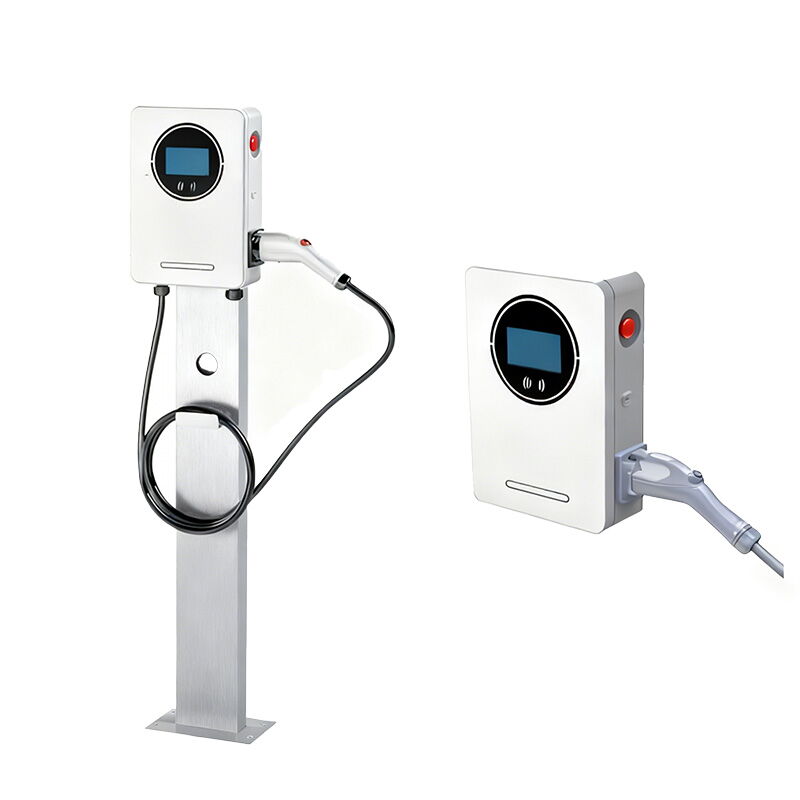
Home chargers are also available in tethered (with fixed cable) and untethered (socket-based) designs.

Different EVs adopt different charging interfaces, so compatibility must be confirmed before purchase.
J1772 is the most common AC charging standard in North America and is used by most non-Tesla vehicles. Tesla uses NACS, but it can connect to J1772 chargers via an adapter. CHAdeMO is mainly used for DC fast charging in some Japanese models. CCS (Combined Charging System) has become widely adopted in recent years and integrates AC and DC charging into one port, especially in Europe and North America.
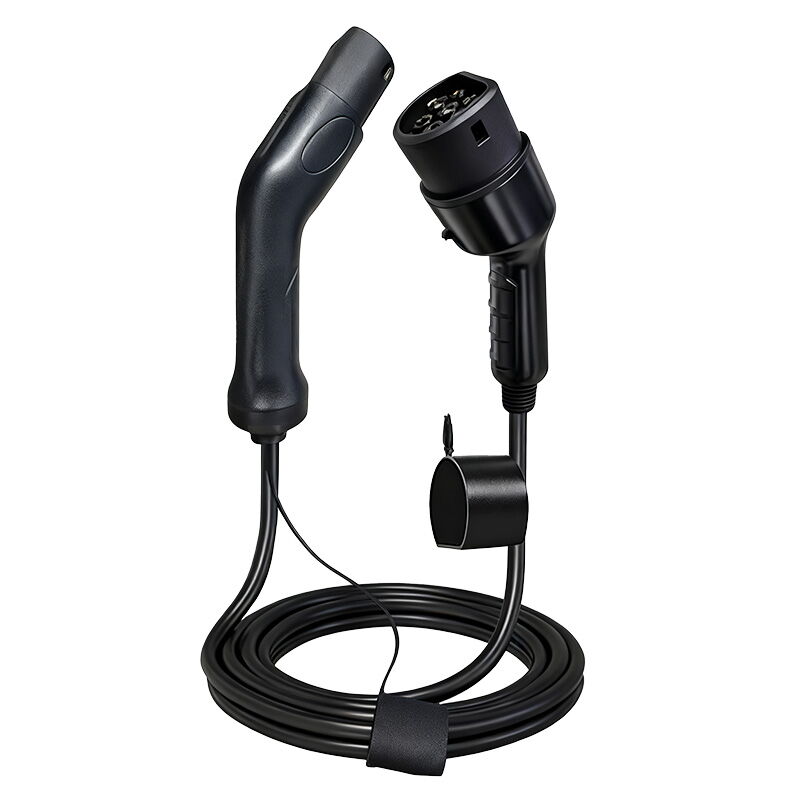
For home AC charging, J1772 and Type 2 are the two dominant standards. Type 2 is widely used in Europe and China and supports both single-phase and three-phase charging up to 22 kW. Before purchasing a charger, users should check the vehicle manual or manufacturer website to confirm connector type and maximum AC charging power.
Home chargers can be divided into tethered and untethered types.
A tethered charger comes with a fixed charging cable and plug, offering greater convenience and better protection against damage. However, the cable length is fixed, reducing flexibility, and repairs can be more costly if the cable is damaged.
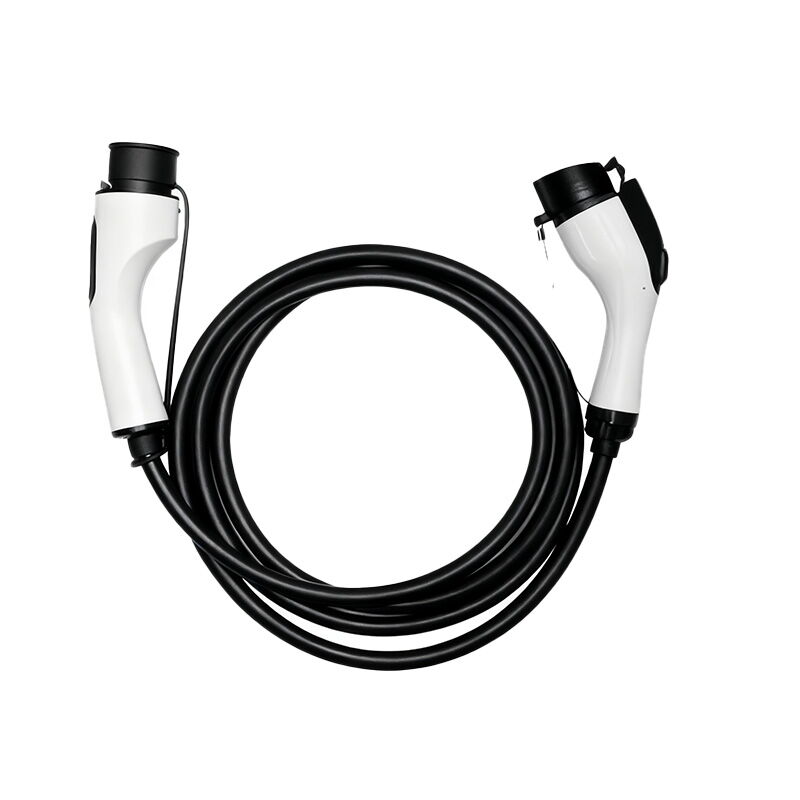
An untethered charger uses a standard socket design, requiring the user to connect their own charging cable. This provides more flexibility, allowing users to choose different cable lengths or types depending on vehicle changes or multi-vehicle households. However, it requires carrying or purchasing a separate cable, making operation slightly more complex.
Before installing a Level 2 charger, it is necessary to evaluate whether the electrical panel has sufficient space and load capacity, as well as whether the system is single-phase or three-phase.
The home electrical system is a key factor in installation. A Level 2 charger requires a 240V system. If the home does not have 240V access, an electrical upgrade may be needed, typically costing between 1,000 and 3,000 USD.
Most high-power chargers require at least a 40-amp dedicated circuit, and some require 60 amps or more. Homes often have 100A or 200A main service panels. When appliances like air conditioners, water heaters, and ovens are running simultaneously, total load must be carefully evaluated. A licensed electrician is required to assess whether the system can support installation.
Single-phase systems usually support up to 7 kW charging, while three-phase systems can support 11 kW or 22 kW chargers. For most households, 7 kW is sufficient for daily needs. Higher power options mainly improve convenience but require compatible vehicle support and stronger electrical infrastructure.
Home EV chargers are mainly divided into fixed wall-mounted units and portable chargers.
Wall-mounted chargers are permanently installed and directly connected to the home electrical system, offering stable performance and higher power output. They typically support 7 kW or more and include charging management, scheduling, and safety functions.
Portable chargers are flexible and can be used with different outlets. They are often included with the vehicle and typically provide around 2.4 kW. Some advanced models can reach up to 7 kW with appropriate adapters. They are suitable for renters or users who frequently travel.
Chargers are typically installed in garages, carports, or exterior walls. They should be placed near the electrical panel to reduce wiring costs. Outdoor installations require at least IP54 protection, with higher-end models reaching IP65 or IP67.
Installation must be carried out by licensed electricians, including dedicated circuit setup and electrical permits. Wiring distance significantly affects cost, as longer distances require thicker cables and more labor.
Safety is a core factor in charger selection. Essential protections include residual current devices (RCD), overcurrent protection, voltage protection, temperature monitoring, and lightning protection.
RCDs are critical safety components. Type A RCDs can detect AC and pulsating DC faults. When combined with DC leakage detection (≥6 mA), they can achieve protection equivalent to Type B RCDs, ensuring electrical safety and preventing shock hazards.
Modern chargers include overcurrent protection, voltage protection, and temperature monitoring. Overcurrent protection cuts power during abnormal current spikes. Voltage protection prevents damage during unstable grid conditions. Temperature sensors reduce power or stop charging during overheating.
Lightning protection is important for outdoor installations, with some units offering 10 kA surge protection. NTC sensors in charging guns monitor connector temperature to prevent overheating due to poor contact.
IP54 protects against dust and water splashes, suitable for garages. IP65 provides full dust protection and resistance to low-pressure water jets. IP67 can withstand temporary immersion, suitable for harsh outdoor environments.
Modern chargers increasingly include smart functions such as remote monitoring, scheduled charging, energy management, and solar integration.
Users can control charging via mobile apps using WiFi or cellular networks. Scheduling allows charging during off-peak hours to reduce electricity costs. RFID access control and dynamic load balancing further enhance safety and efficiency.
Some chargers can adjust power based on solar generation, maximizing self-consumption and reducing grid electricity use. OCPP protocol support allows integration with broader energy management systems, improving long-term scalability.
Connectivity includes Bluetooth, WiFi, 4G, and Ethernet. Bluetooth is for local setup, WiFi for home use, 4G for remote environments, and Ethernet for the most stable wired connection.
Costs include equipment, electrical upgrades, and installation fees. Long-term costs depend on electricity prices and driving habits.
- Equipment and Installation Costs: Chargers typically cost between 200 and 800 USD, while smart models may exceed 1,000 USD. Electrical upgrades can add over 1,000 USD, and installation usually costs 600 to 1,200 USD. Total cost can be under 1,000 USD in ideal conditions.
- Operating Costs and Incentives: Charging a typical EV driving 40 miles per day may cost 20 to 60 USD per month. Off-peak charging can reduce costs further. Government incentives and tax credits may significantly reduce total expenses.
A home EV charger should be chosen based on vehicle compatibility, household electrical capacity, and daily driving needs. For most users, a 7 kW Level 2 charger provides the best balance of speed, cost, and practicality, while higher-power options suit more demanding or three-phase electrical setups. Proper installation, safety protection, and correct IP-rated equipment are essential for reliable long-term use. Looking ahead, smart features and energy management will further improve efficiency and cost savings. Overall, a well-selected home charging system enhances convenience, reduces dependence on public charging, and supports a more efficient electric driving experience.