How Smart EV Chargers Improve Home Charging Efficiency

With the rapid global adoption of electric vehicles (EVs), home charging has become a daily necessity for most EV owners. However, simply “plugging in the car” represents only the most basic requirement. What truly determines user experience and cost efficiency is when to charge, at what power level to charge, and how to manage the charging process. Smart electric vehicle chargers have emerged in response to these needs. By connecting to home WiFi networks and integrating with mobile applications, they transform the traditional “plug-and-charge” method into an automated, optimized, and remotely manageable intelligent system.
This article begins with the basic concept of smart EV chargers and systematically introduces their core functions, including scheduled charging, power control, energy monitoring, and remote management. It further analyzes how smart EV chargers help users save electricity costs through time-of-use pricing mechanisms, including practical savings calculations. In addition, it compares different charging methods such as Level 1, Level 2, Level 3, and bidirectional charging, along with their characteristics and application scenarios. The article also outlines key considerations for installing a smart EV charger at home, such as electrical capacity, network conditions, and device compatibility. Finally, it explores the broader significance of smart charging technology for the energy system and its future development trends. Whether you are considering purchasing an electric vehicle or already own one but still use a basic charger, this guide will help you fully understand the value and selection criteria of smart EV chargers.
Smart EV chargers enable full digital management of the charging process through WiFi connectivity, cloud systems, and mobile applications. They upgrade traditional “plug-and-charge” behavior into an automated and optimized energy management system. The following sections introduce its definition and differences from conventional chargers.
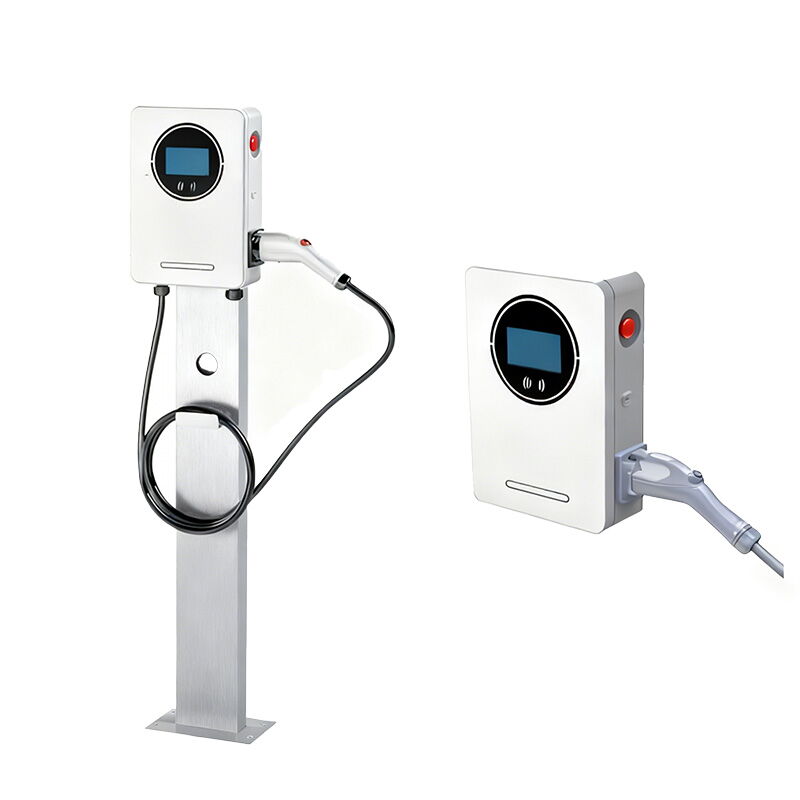
A smart electric vehicle charger is a charging device that connects to a home WiFi network and is controlled via a mobile application. It is not just a simple power supply unit; instead, it integrates with cloud systems and mobile apps to achieve comprehensive digital management of the charging process.
Users can remotely set charging schedules, adjust charging power, monitor real-time energy consumption, and configure different charging plans for different days. The essence of this device lies in the word “smart.” Through WiFi connectivity, cloud computing, and mobile applications, it upgrades traditional charging into an automated and optimized energy management system.
Users no longer need to stay near the vehicle or manually control charging. The system automatically completes charging tasks based on preset conditions.
Traditional EV chargers, also known as basic or non-smart chargers, are very simple in function. Once the charging plug is connected, the device supplies power at a fixed rate and stops automatically when the battery is full. These chargers do not provide scheduling, monitoring, or control capabilities and are usually included with the vehicle.
In contrast, smart EV chargers retain basic charging functions while adding several key features. First is scheduling, which allows charging to start or stop automatically at designated times. Second is power adjustment, enabling users to modify current levels based on household electricity usage. Third is energy monitoring, which records and summarizes electricity consumption for each charging session. Fourth is remote management, allowing users to view and control charging status from anywhere via a smartphone.
In terms of functionality, basic chargers only provide fixed-power charging, while smart EV chargers add scheduling control, power adjustment, data monitoring, and remote management. This difference not only improves convenience but also directly impacts household electricity costs and safety.

Smart EV chargers typically include four core functions: scheduled charging, power control and load management, energy monitoring and data logging, and remote cloud-based control. These functions collectively define their value by improving convenience, reducing costs, and enhancing electrical safety.
Scheduled charging is one of the most practical features of smart EV chargers. In many regions, utilities use time-of-use electricity pricing, where electricity costs vary depending on time periods. Nighttime rates are often lower, while daytime rates may be higher or influenced by solar generation.
Without a smart charger, users must manually control charging times to take advantage of lower electricity rates. This may require waking up at night to plug or unplug the charger or remembering specific time windows. In real life, this is difficult to maintain consistently, leading many users to charge at convenient times instead and miss lower-cost periods.
Smart EV chargers solve this problem by automatically executing charging schedules. Users only need to set preferences once through a mobile app, and the charger will automatically start charging at the specified times daily or weekly. This automation reduces electricity costs while also eliminating manual effort.
Power control is another important feature of smart EV chargers. It allows users to adjust charging current in real time via a mobile application. When household electrical load is high, such as when air conditioners, water heaters, and kitchen appliances are operating simultaneously, users can reduce charging power to avoid exceeding electrical capacity limits and prevent circuit breakers from tripping.
This dynamic adjustment is especially useful in homes with limited electrical capacity. When other high-power appliances stop running, the charger can automatically or manually resume high-power charging. Some advanced systems even include automatic load management, continuously monitoring total household electricity usage and adjusting charging power accordingly to prevent overload.
For older residential buildings or homes with limited electrical infrastructure, this function is particularly important. It allows safe EV charging without requiring costly electrical system upgrades.
Energy monitoring allows users to clearly understand their electricity consumption. The system records the energy used in each charging session and summarizes daily, monthly, and even annual data.
Although slight measurement differences may exist between devices, the overall data provides a reliable reference for electricity usage. Users can review historical charging records, including how much energy was consumed, how long each charging session took, and the average charging power.
This information is valuable for household budgeting and vehicle cost analysis, helping users better understand the real cost of EV ownership.
Remote control further enhances convenience. Since the charger is connected to a cloud system, users can check charging status, start or stop charging, and adjust schedules from anywhere via a mobile app.
This is especially useful for users with multiple properties such as second homes, farms, or workplace charging setups. Remote control also improves safety and flexibility. If a user forgets to stop charging while away from home or needs to adjust a schedule, they can do so instantly via their phone.
The main mechanism for cost savings is the use of time-of-use electricity pricing. By automatically charging during low-cost periods, users can significantly reduce electricity expenses without manual intervention. Savings depend on electricity rates, charging frequency, and battery capacity, with potential reductions of up to around 20% compared to unmanaged charging.
Utilities in many regions divide the day into peak, shoulder, and off-peak periods. Off-peak hours, usually at night, have lower electricity prices due to reduced grid demand.
For example, an EV with a 38 kWh battery may consume approximately 40–42 kWh for a full charge. If off-peak electricity costs 4 currency units per kWh and peak pricing is 7, the cost difference per charge can range from 168 to 294 units, resulting in savings of around 126 units per full charge.
These savings are not one-time benefits but occur with every charging cycle. Over a month with 10–15 charging sessions, total savings can reach 1,500–2,500 units or more. Over a year, this can amount to substantial household savings.
Actual savings depend on multiple factors. Electricity pricing structures vary by region, and larger peak-to-valley differences lead to higher savings potential. Charging frequency also matters—daily home charging users benefit more than occasional users. Battery capacity is another factor, as larger batteries consume more electricity per cycle.
In some cases, smart charging can reduce electricity costs by approximately 20% compared to uncontrolled charging behavior. In regions with large price differences, the savings percentage may be even higher.
Smart EV chargers support multiple schedules and time settings. Users can create different charging plans for weekdays and weekends. Some systems can even adjust charging speed and completion time based on user habits.
For example, if a user typically leaves home at 8 a.m., the system can calculate required charging duration and ensure the vehicle reaches the target battery level within the lowest-cost electricity window before departure.
The main charging methods include Level 1 home outlet charging, Level 2 smart charging stations, Level 3 DC fast charging, and bidirectional charging technologies. Each has different power levels, charging speeds, and use cases.
Level 1 charging uses a standard household outlet and is the most basic method. It is slow, typically adding about 5–8 km of driving range per hour. Installation cost is minimal and requires no special equipment, making it suitable for light usage or backup charging.
However, Level 1 charging is limited to around 1.4 kW, meaning a full charge for larger EV batteries may take 20–30 hours. It is best suited for users with short daily commutes and long overnight charging windows.
Level 2 chargers are the most common choice for home users. They require a 240V circuit and professional installation. Charging speeds are significantly faster, typically adding 30–50 km of range per hour, with power levels ranging from 3.3 kW to 19.2 kW.
These chargers support WiFi connectivity, power adjustment, and scheduling features. They are ideal for daily use and provide a highly efficient home charging experience.
Level 3 fast charging is mainly used in commercial locations or highways. It delivers DC power directly to the battery with power levels between 50 kW and 350 kW, allowing 20%–80% charging in about 30 minutes.
It is not suitable for home use due to high infrastructure costs, grid requirements, and potential long-term battery impact. It is primarily used for long-distance travel.
Bidirectional charging is an emerging innovation that allows energy flow in both directions. Vehicle-to-home (V2H) can supply backup power during outages, while vehicle-to-grid (V2G) enables energy to be fed back into the grid, potentially generating financial benefits.
This technology transforms EVs into mobile energy storage units and is expected to play an important role in future smart energy systems.
Before installation, it is essential to evaluate electrical capacity, installation environment, network requirements, and device compatibility to ensure safe and efficient operation.
Level 2 chargers typically require a dedicated 240V circuit with power demands ranging from 3 kW to 19 kW. Homes near capacity limits may require electrical panel upgrades.
A professional electrician can assess system capacity and recommend appropriate charging levels. In many cases, chargers with load management functions can eliminate the need for costly upgrades.
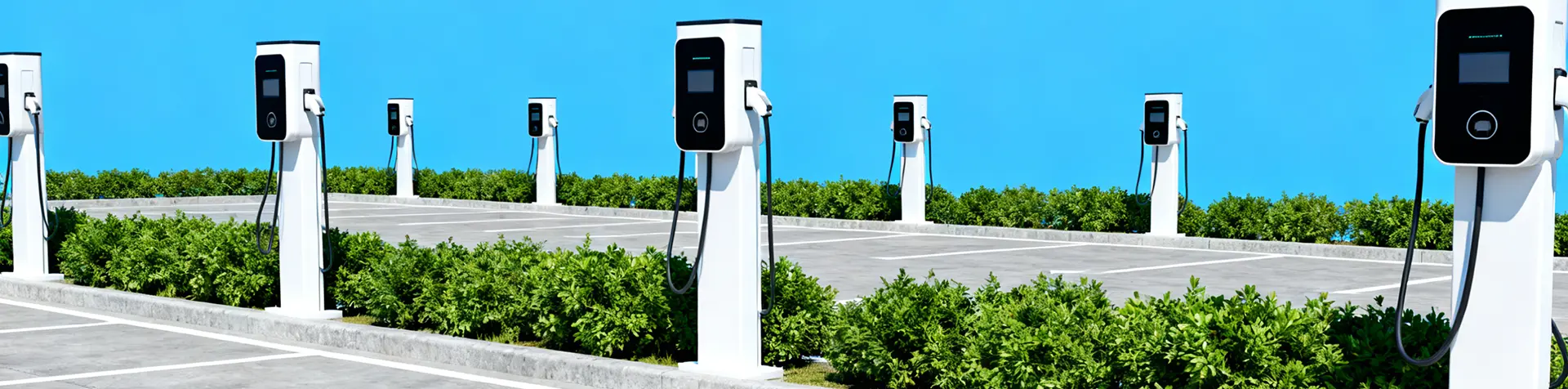
A stable WiFi connection is required for full smart functionality. Installation locations should ensure reliable signal coverage, or WiFi extenders may be used. Outdoor installations require weather-resistant equipment with appropriate protection ratings (such as IP54 or higher).
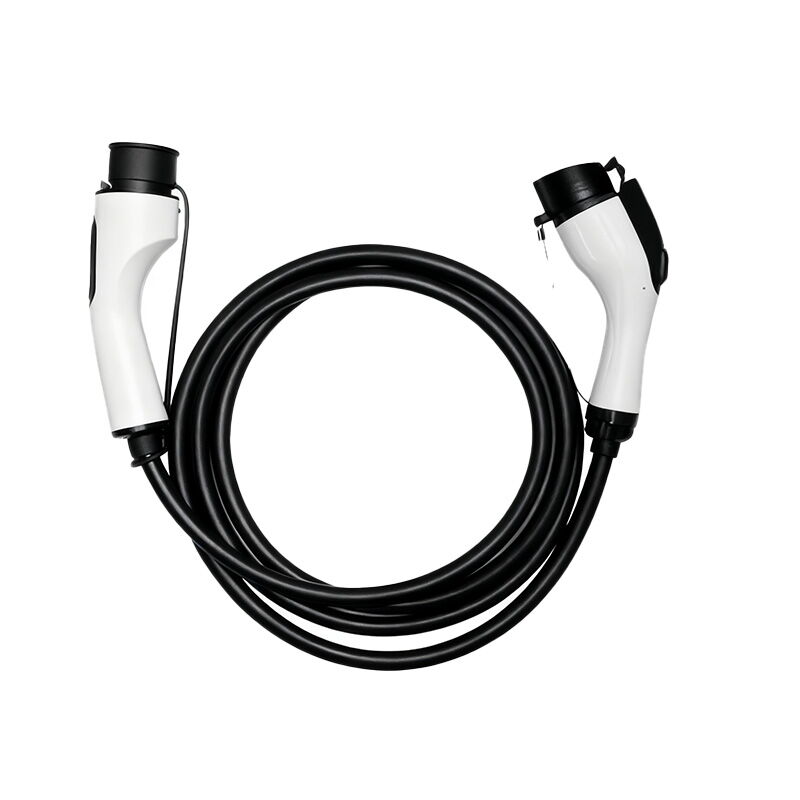
Cable length and accessibility should also be considered for convenient vehicle connection.
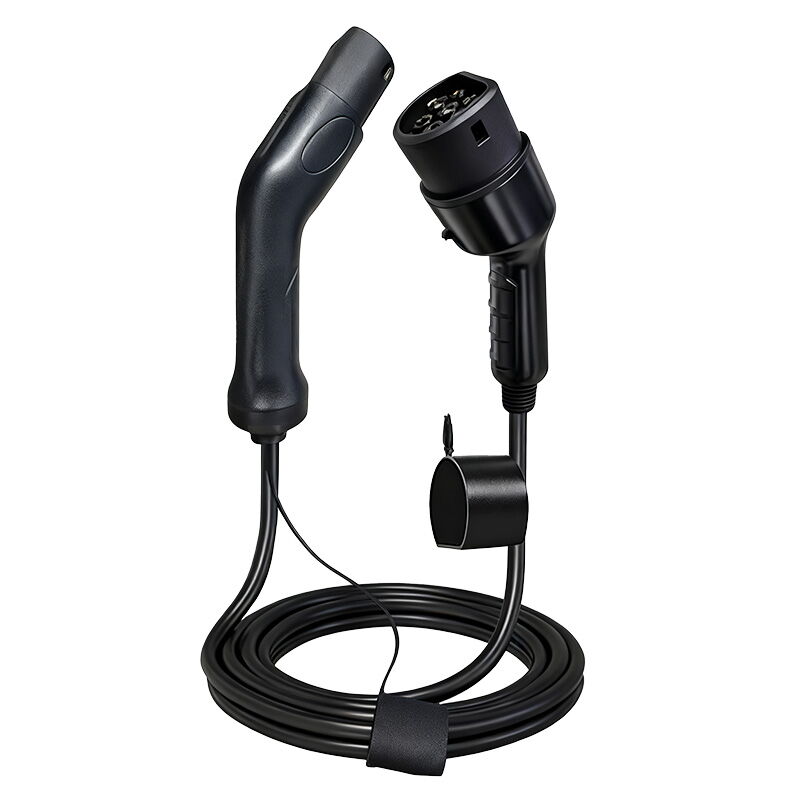
Common standards include J1772 and NACS. J1772 is widely used in North America for most non-Tesla EVs, while NACS is Tesla’s standard and is increasingly adopted by other manufacturers.
Many smart chargers support multiple standards, ensuring compatibility across different vehicle brands. Users should confirm compatibility with their current and future vehicles when selecting equipment.
Smart electric vehicle chargers transform traditional plug-and-charge behavior into an efficient, economical, and environmentally friendly energy management system through automation, dynamic power control, and data monitoring. For EV users seeking lower electricity costs, optimized energy usage, and improved convenience, smart charging has become an essential part of modern home energy systems.
Selecting the right smart EV charger requires careful consideration of driving habits, household electrical conditions, installation environment, and future expansion needs. Whether for daily commuters, multi-EV households, or integrated energy management scenarios, smart chargers offer a more efficient, flexible, and future-oriented charging solution through scheduling, remote control, load balancing, and safety features. Although they typically cost more than basic chargers, the electricity savings they provide can often offset the initial investment within a few months, making them a worthwhile long-term household upgrade.