A Comprehensive Comparison of PHEV and BEV Charging Systems

With the rapid popularization of electrified vehicles, more and more consumers face a practical question when purchasing a car: what are the differences between Plug-in Hybrid Electric Vehicles (PHEV) and Battery Electric Vehicles (BEV) in terms of ev charging systems? Both types of vehicles require external charging and can use similar charging infrastructure, yet they differ significantly in charging time, operating cost, and driving range assurance. Understanding these differences helps consumers make more rational choices based on their needs. This article provides a comprehensive comparison of PHEV and BEV charging systems from multiple perspectives, including ev charging infrastructure, charging time, cost analysis, range assurance, technical principles, safety management, and vehicle selection.
First, it is necessary to understand the similarities and differences between PHEV and BEV in terms of charging infrastructure. Both vehicle types share the same charging network and interface standards, but they differ in how charging modes are applied. This section introduces shared charging networks, charging interface standards, and charging mode classifications.
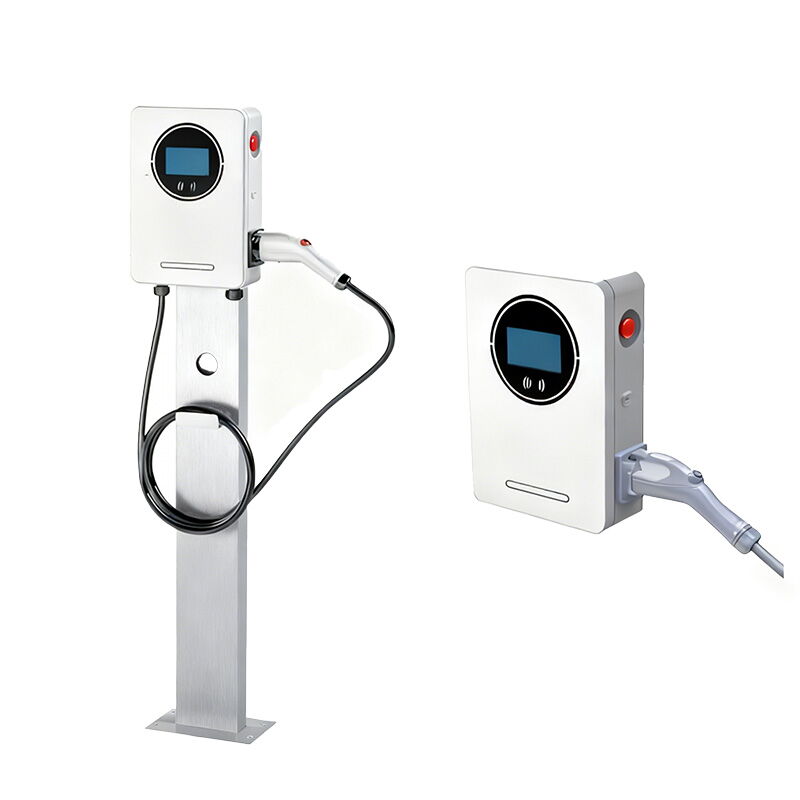
Both Plug-in Hybrid Electric Vehicles (PHEV) and Battery Electric Vehicles (BEV) are highly compatible in terms of charging infrastructure. They can both use the same charging equipment, including standard household power outlets, wall-mounted home charging stations, and public charging stations. This means users do not need to install separate equipment or search for dedicated chargers for different vehicle types, reducing both usage barriers and equipment investment costs.
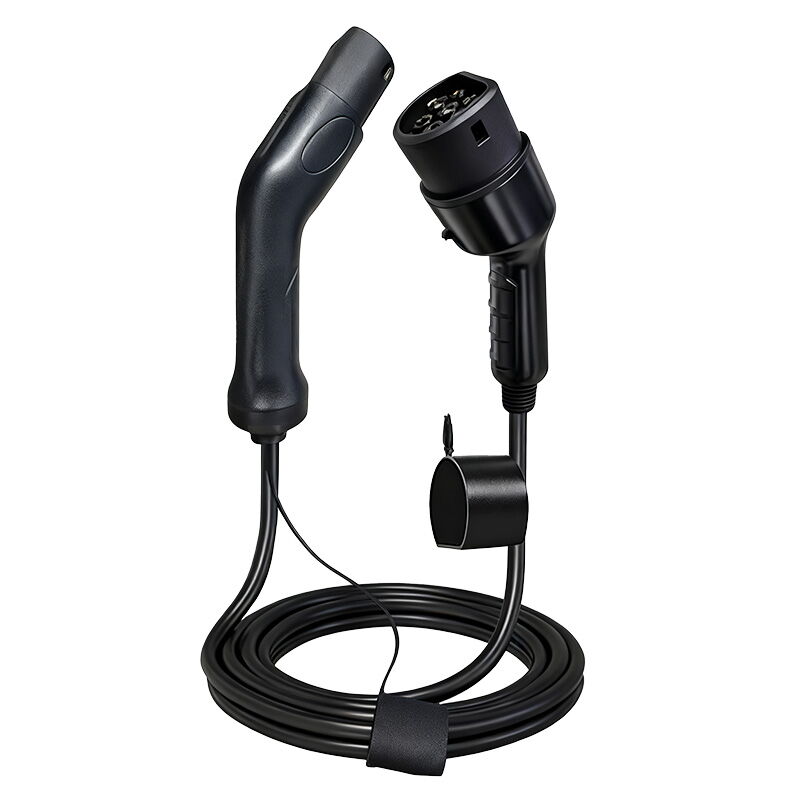
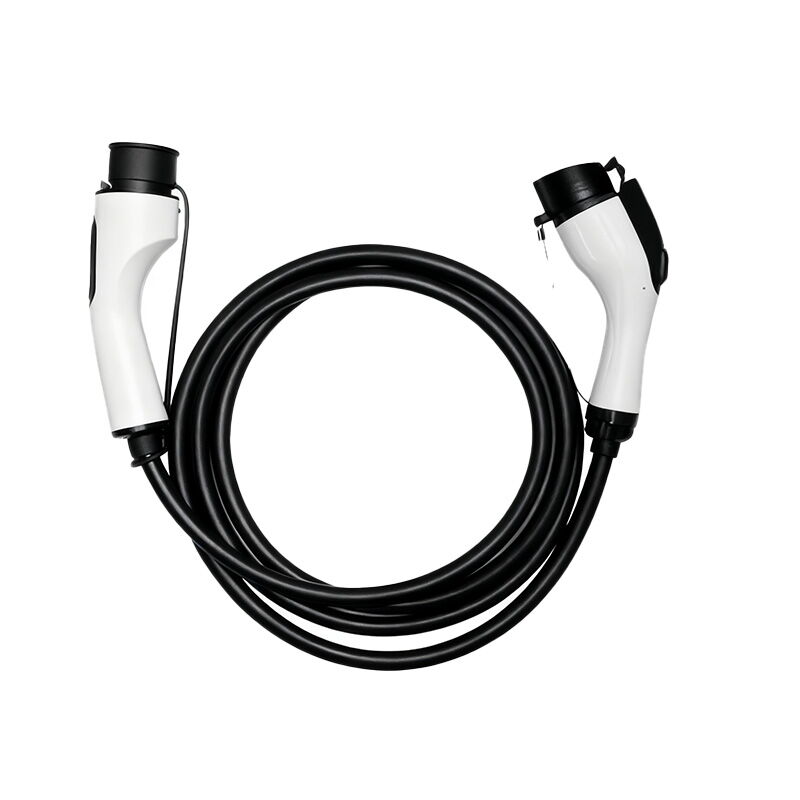
In home and public AC charging scenarios, both PHEV and BEV generally adopt the Type 2 interface standard. For public DC fast charging, both types of vehicles are also compatible. However, because PHEVs have smaller battery capacities, their maximum charging power is usually lower than that of BEVs, resulting in differences in actual charging speed.
Currently, there are three main charging modes in the market. The first is Mode 2, which uses a standard household socket for charging. This is the most widely used method but has relatively low charging power. The second is Mode 3, which refers to dedicated wall-mounted AC charging stations installed at home or workplaces, offering significantly higher efficiency than standard sockets. The third is DC fast charging, mainly deployed at highway service areas and shopping centers, providing high-power energy replenishment directly to the battery.

Charging time is one of the most important practical considerations for consumers when choosing an electrified vehicle. BEVs generally take longer to charge due to larger battery capacities, while PHEVs charge faster due to smaller batteries. Understanding the differences in charging time under home and public fast-charging conditions helps users choose appropriate charging solutions.
BEVs have large battery capacities, resulting in relatively long charging times. Charging via a standard household socket may take dozens of hours to fully charge. With a home wall-mounted charging station, charging time can be reduced to around 10 hours. At public DC fast charging stations, BEVs can charge up to 80% in less than one hour, making them suitable for long-distance travel recharging needs.
PHEVs have significantly smaller battery capacities, leading to much shorter charging times. Using a standard household socket, full charging takes about 8 to 10 hours. With a home wall-mounted charger, full charging can be completed in 2 to 3 hours. At DC fast charging stations, PHEVs can reach 80% charge in approximately 30 minutes.
Overall, PHEVs are more suitable for quick charging and short-distance energy replenishment scenarios. BEVs, although requiring longer charging times per session, can support much longer driving ranges once fully charged. Users should choose appropriate charging strategies based on daily commuting distance and available charging conditions.
Charging cost is a key factor affecting long-term vehicle operating expenses. Home charging costs depend on electricity prices and battery capacity, while public charging is generally more expensive. In addition, PHEVs may switch to fuel mode when the battery is depleted, increasing operating costs. Understanding these differences helps users evaluate long-term ownership expenses.
Charging costs mainly depend on electricity prices, battery capacity, and charging method. Assuming a residential electricity rate of approximately $0.21 per kWh, fully charging a BEV with a large battery may cost around $15 to $18, providing a driving range of over 400 km. This results in an electricity cost of about $2.7 to $4 per 100 km.
For PHEVs, a full charge costs approximately $5 to $6, with a pure electric range of around 100 km. The per-kilometer cost is therefore comparable to that of BEVs during electric operation.
When a PHEV’s battery is depleted, it automatically switches to its internal combustion engine, increasing operating costs to hybrid fuel levels. BEVs rely entirely on electricity, resulting in lower long-term operating costs. Public charging stations typically charge higher rates than residential electricity, and DC fast charging is usually more expensive than AC slow charging.
Users can reduce charging expenses by using smart meters or charging during off-peak nighttime electricity periods. Some households may also install solar power systems to achieve near-zero-cost charging during daylight hours. For users with short daily commutes, PHEVs operating in electric mode can also effectively reduce daily expenses.
Driving range assurance is one of the most critical differences between PHEV and BEV. BEVs must be recharged when the battery is depleted, making them highly dependent on charging infrastructure. PHEVs, on the other hand, have a fuel backup system that allows continued driving even after the battery is depleted.
Once a BEV battery is depleted, the vehicle must be recharged to continue driving. If the battery is completely drained, the vehicle will gradually lose power and require roadside assistance and towing to a charging station. Therefore, BEV users must plan charging routes carefully for long-distance travel.
PHEVs automatically switch to their internal combustion engine when the battery is depleted, providing convenience for long-distance driving, travel in remote areas, or users concerned about range anxiety. In full charge mode, PHEVs can travel about 100 km in pure electric mode, which is sufficient for daily commuting. After depletion, the hybrid mode can extend total driving range to several hundred kilometers.
For users who frequently travel long distances, the fuel backup system of PHEVs provides greater flexibility. BEV users must rely more heavily on public charging networks, especially DC fast charging stations along highways. Although charging infrastructure is rapidly expanding, coverage in remote areas still requires improvement.
The technical principles of charging systems determine efficiency and safety. AC slow charging is divided into Level 1 and Level 2, suitable for home and workplace use. DC fast charging provides high-power direct charging, while wireless charging represents a future development direction.
AC slow charging includes Level 1 and Level 2 systems. Level 1 uses standard household outlets with low power output and may require several hours or even overnight charging. Level 2 uses dedicated charging stations with higher power, significantly reducing charging time and making it suitable for daily use at home or work.
DC fast charging, also known as Level 3 charging, is mainly used in public fast-charging stations and highway service areas. It delivers high-power electricity directly to the battery, allowing charging up to 80% in about 30 minutes. With advancements in high-power charging technology, charging speed continues to improve, while battery protection systems have become increasingly intelligent.
Wireless charging uses induction coils to enable plug-free charging, offering high convenience. However, this technology currently has lower efficiency and higher costs, and is mainly used in premium vehicles or pilot projects. In the future, wireless charging may become more widely adopted in homes and parking facilities.
The Battery Management System (BMS) is the core technology ensuring charging safety. BEVs require more complex control strategies due to larger battery capacities, while PHEVs must coordinate energy distribution between the engine and battery.
Electric energy enters the battery system through an onboard charger, while the BMS monitors voltage, current, and temperature in real time to ensure safety. BEVs require more advanced control strategies due to larger battery capacities. PHEVs must coordinate energy distribution between the internal combustion engine and battery, requiring more flexible charging strategies but also higher safety control requirements under high-power conditions.
Fast charging increases battery temperature, which can affect battery lifespan. Therefore, vehicles require advanced thermal management systems. It is generally recommended to prioritize AC slow charging and avoid frequently charging to 100%. Ideally, charging should be limited to around 80%. DC fast charging should be used mainly for long-distance travel emergencies.
Charging interfaces and battery systems must meet appropriate waterproof and dustproof standards to ensure safe operation under complex environmental conditions. Overcharging and overheating are major risks during charging. Insufficient thermal control during fast charging may lead to battery degradation or damage. BEVs focus more on charging efficiency and battery management, while PHEVs must balance coordination between fuel and electric systems.
After understanding differences in charging time, cost, range, and technical principles, the final step is making a purchasing decision. BEVs are suitable for users with reliable home charging conditions and primarily urban commuting needs. PHEVs are better for users who frequently travel long distances or have limited charging access.
BEVs are ideal for users who mainly drive short distances in cities, have reliable home charging access, can plan long-distance charging routes, and prioritize zero emissions and low operating costs. If daily driving distance is within the vehicle’s range and charging infrastructure is available nearby, BEVs are a strong choice.
PHEVs are suitable for users who frequently drive long distances, lack convenient charging access at home or work, or want both electric commuting and fuel backup security. In regions with limited charging infrastructure, PHEVs offer greater flexibility.
Both vehicle types can use standard household outlets, but efficiency is low. Installing a wall-mounted home charger significantly improves charging speed and convenience. For BEV users, home chargers are essential for overnight charging. For PHEV users, they mainly reduce waiting time through faster replenishment.
PHEVs and BEVs share the same charging infrastructure, allowing users to avoid installing separate systems. Their main differences lie in charging time, operating cost, and range logic.
In terms of charging time, PHEVs charge faster due to smaller batteries, making them suitable for quick energy replenishment. BEVs take longer to charge but offer longer driving ranges per charge. In terms of cost, BEVs generally have lower long-term operating costs. PHEVs have similar costs to BEVs in electric mode but become more expensive when switching to fuel mode. In terms of range assurance, PHEVs provide a fuel backup system that eliminates range anxiety, while BEVs rely entirely on charging infrastructure.
If users want both electric driving and fuel backup, PHEVs are a suitable choice. If users prefer fully electric driving and can plan charging properly, BEVs offer zero emissions and the lowest operating costs. Regardless of choice, both represent more environmentally friendly and economical transportation options.
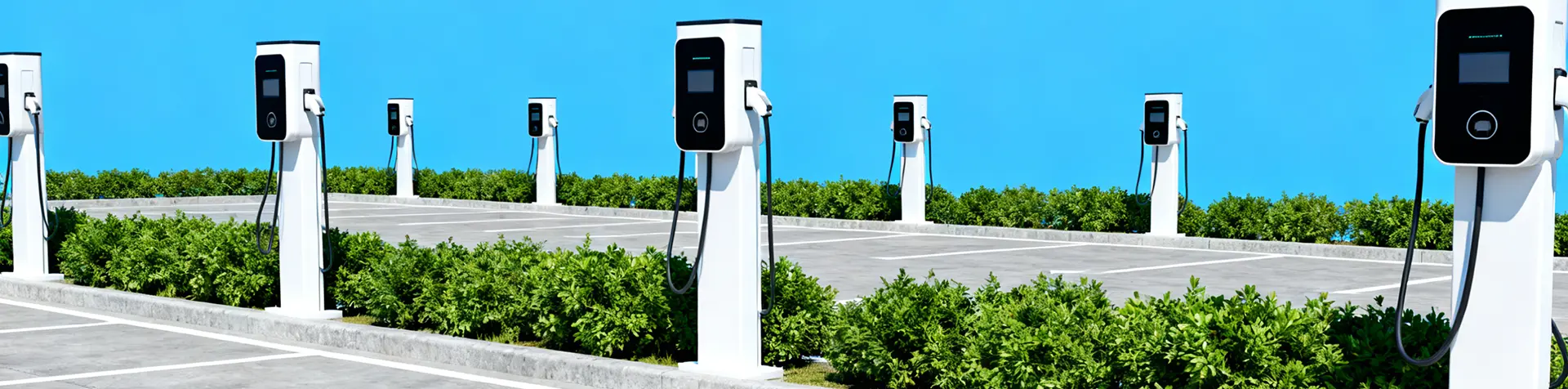
The public charging network is expanding rapidly, with apps available to locate nearby charging stations and check real-time availability. Shopping centers, retail areas, highway service stations, and workplaces are increasingly equipped with charging facilities. BEV users rely more on these networks for long trips, while PHEV users benefit from greater flexibility due to fuel backup.
Electric vehicle batteries are rigorously tested and come with multi-year warranties. The key to extending battery life is proper charging habits: prioritize AC slow charging, avoid frequent full charges, keep charging limits around 80%, and use DC fast charging mainly for emergencies. Through proper charging management and vehicle selection, users can achieve an optimal balance of convenience, economy, and environmental performance.