How to Select a Reliable Electric Vehicle Charger Manufacturer

With the rapid development of the electric vehicle (EV) market, the construction of charging infrastructure has become a critical factor driving electrification. For enterprises planning to invest in charging facilities, government agencies, and fleet operators, selecting the right EV charger manufacturer is a strategic decision with long-term consequences. From a practical operational perspective, this article systematically outlines the core factors that should be considered when evaluating EV charger manufacturers. It helps procurement teams build a scientific decision-making framework, reduce investment risks, and ensure the long-term stable operation of projects.
Charging infrastructure is a long-term capital investment. Once a supplier is selected and the system is deployed, the cost of replacement is extremely high. An improper choice may lead to frequent equipment failures, operational interruptions, or even supplier withdrawal from the market, all of which create significant risks.
Therefore, procurement teams must shift their evaluation mindset—from focusing solely on technical specifications to considering long-term operational performance.
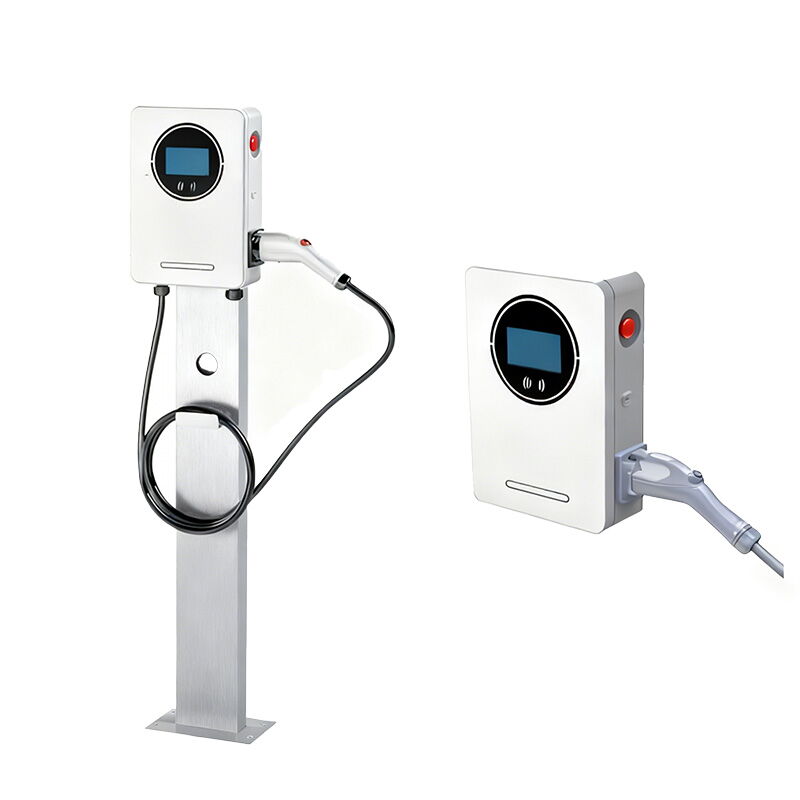
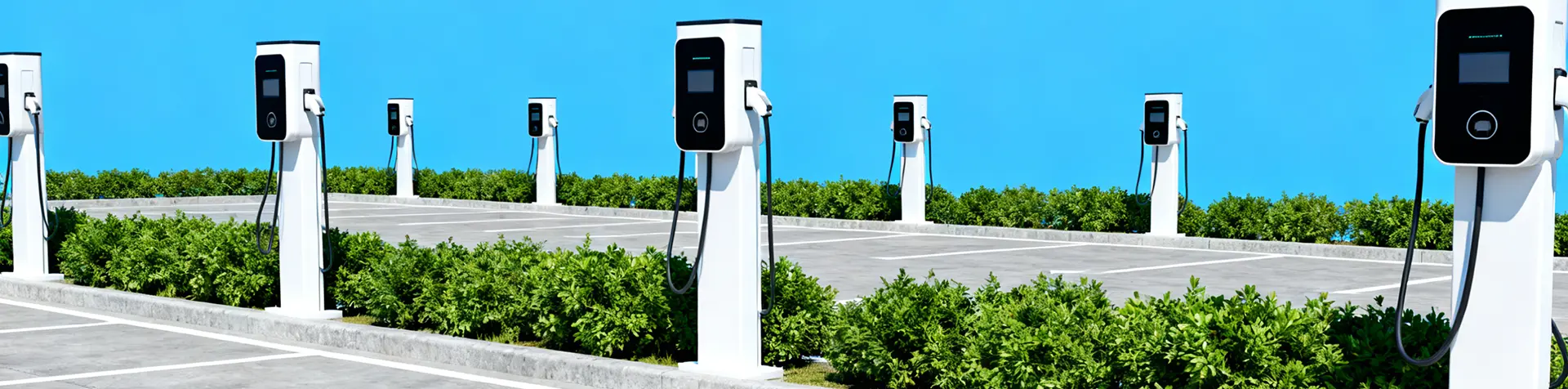
EV chargers are the foundational support of electrification. Whether for public charging networks, corporate fleets, or city-wide deployments, the performance and stability of EV chargers directly determine project success.
Since chargers are long-term assets, selecting the right manufacturer at the early stage is essential to ensuring long-term returns and minimizing lifecycle costs.
Choosing an unsuitable manufacturer may lead to multiple problems:
Frequent equipment failures can interrupt charging services and directly reduce revenue.
For fleet operators, charging failures may disrupt vehicle dispatching and business operations.
For public service providers, equipment issues may damage service reputation and hinder policy goals.
If a supplier exits the market due to financial issues, maintenance and spare parts supply may become impossible, leaving equipment unusable.
Many procurement decisions overly focus on technical parameters such as charging speed or power output, or rely heavily on brand recognition. While these factors are important, they should not be the core of decision-making.
The real determinants of long-term performance are reliability, service capability, and system flexibility. Technical specifications should be matched to application scenarios rather than maximized blindly.

When evaluating manufacturers, three key dimensions should be prioritized: reliability, service capability, and system flexibility. Together, they form the foundation for determining whether a manufacturer is suitable for long-term cooperation.
Reliability is the cornerstone of all charging infrastructure investments. Industry data shows that while EV charger reliability has improved significantly, charging failures still occur.
For operators, every failed charging session means lost revenue or reduced efficiency. Reliability should be evaluated from three aspects: uptime, first-time charging success rate, and fault recovery capability.
When assessing reliability, real-world uptime data should be prioritized over marketing claims. Industry standards typically require high uptime for public charging infrastructure.
Uptime reflects the percentage of time a device remains operational within a statistical period and is a key indicator of hardware stability.
Uptime alone does not fully reflect user experience. First-time charging success rate is often a more accurate measure of real usability.
Even if a device is technically online, failures may still occur due to payment system issues, software errors, or communication interruptions.
If users arrive at a charging station but cannot successfully charge, satisfaction and trust are immediately affected.
Therefore, reliability evaluation should consider three layers:
- Hardware stability
- Software system stability
- Payment and communication system stability
These together determine whether a charging session can be completed successfully.
It must be recognized that any charging system may experience failures during long-term operation. The key issue is not whether failures occur, but how often they occur and how quickly they are resolved.
High-quality manufacturers reduce downtime through remote diagnostics, rapid spare parts supply, and on-site technical support.
While equipment reliability is fundamental, service capability across the full lifecycle is equally critical. This includes response speed, after-sales support systems, and emergency response mechanisms.
Service responsiveness is often a strong predictor of long-term support quality. If communication is slow during the sales phase, similar issues may occur during operation and maintenance.
In many real cases, procurement decisions are influenced more by response efficiency and communication quality than by brand recognition or specifications. This highlights that service capability is as important as product performance.
There are cases where equipment performs well initially but later suffers from poor after-sales support, making operational issues difficult to resolve.
EV chargers typically have a service life of several years, requiring continuous software updates, technical support, and hardware maintenance.
Without a strong service system, minor issues may escalate into major failures, affecting overall project returns.
Excellent manufacturers often act as long-term partners rather than simple equipment suppliers. They may provide:
- Project financing support
- Technical training
- Installation and maintenance guidance
- Ongoing operational support
- Emergency response and on-site support
In real-world scenarios such as extreme weather events, some manufacturers can quickly deploy technical teams for on-site support to restore system operation.
This reflects the maturity of their supply chain and service system, as well as their commitment to project continuity.
Beyond reliability and service, system flexibility is a key strategic factor affecting long-term operational cost and scalability.
Some closed systems require users to adopt hardware, software, and services from the same manufacturer. While convenient initially, this approach can limit future upgrades and supplier flexibility.
If the manufacturer slows down innovation or exits the market, users may face vendor lock-in risks.
In contrast, systems that support open communication protocols (such as OCPP – Open Charge Point Protocol) allow compatibility with different software platforms. This gives operators greater flexibility to switch providers or integrate third-party systems.
Open systems can significantly reduce dependence on external services. Companies with internal technical capabilities can manage software updates, data analysis, and system optimization independently.
This improves efficiency and reduces long-term operational costs.
EV charging technology continues to evolve rapidly. New standards, payment methods, and management requirements may emerge in the future.
Systems with flexible architecture and upgrade capability can extend equipment lifecycle and avoid premature obsolescence.
Key evaluation points include firmware update capability and support for new features.

After ensuring that manufacturers meet the core requirements of reliability, service capability, and flexibility, the next step is selecting appropriate technical parameters based on real application scenarios.
Power rating is one of the most important, but also most misunderstood, technical parameters.
A common mistake is assuming that higher power is always better. In reality, different scenarios require different charging capacities.
Over-specifying power increases investment costs while reducing utilization efficiency.
For example:
Fleet charging at night: vehicles stay parked for long periods, so medium power is usually sufficient. High power may increase infrastructure costs without significant benefits.
High-traffic public charging (highways, commercial centers): vehicles stay for short periods and require fast charging to improve turnover efficiency. Higher power is beneficial in this case.
Power selection should consider:
- Battery capacity of vehicles
- Average daily mileage
- Charging time windows
- Number of vehicles charging simultaneously
- Grid capacity limitations
A comprehensive analysis ensures optimal configuration rather than relying on a single parameter.
Charging speed, power output, and additional features should be considered secondary factors. They should be selected only after ensuring reliability, service capability, and system flexibility.
Beyond technical evaluation, procurement teams must also identify supplier risks to avoid potential long-term issues.
Key risk indicators include:
- Poor communication efficiency: slow or unclear responses during procurement may indicate weak after-sales support.
- Low attention to small-scale projects: suggests a focus only on large clients.
- Forced hardware-software bundling: limits flexibility and increases long-term costs.
- Financial instability: may lead to supply chain disruption.
- Unclear delivery schedules or overpromising: increases operational risk.
Some companies may exit the market due to financial or industry changes. When this happens, maintenance and support become difficult, and installed equipment may become unusable.
Therefore, suppliers with stable long-term market presence should be prioritized.
Supplier stability can be assessed through:
- Years of operation
- Market share
- Financing background
- Customer base size
Industry reports and market trends also help evaluate competitive positioning and long-term viability.
After completing multi-dimensional evaluation, the final step is to integrate findings into a structured decision framework.
A systematic checklist should include:
- Reliability metrics (uptime, first-time success rate)
- Service capability (response speed, support system, emergency response)
- System flexibility (protocol openness, scalability)
- Technical parameter suitability
- Supplier risk indicators
- Overall certification and strength evaluation
A scoring system can help objectively compare suppliers.
Selecting an EV charger manufacturer is essentially selecting a long-term partner.
Key questions include:
- Can the supplier provide timely support when needed?
- Does it have stable long-term operational capability?
- Can it continuously upgrade and maintain the system?
Compared with technical specifications, reliability, service capability, and system flexibility have a more direct impact on project success.
The recommended approach is:
- First filter suppliers that meet core requirements
- Then select technical configurations based on application needs
This avoids overemphasis on technical details while ignoring long-term risks.
Selecting a reliable EV charger manufacturer requires comprehensive evaluation.
- Reliability ensures stable operation
- Service capability guarantees full lifecycle support
- System flexibility provides long-term strategic adaptability
These three factors should be the primary evaluation criteria.
On this basis, technical parameters should be selected according to real-world applications rather than pursuing maximum specifications.
By identifying supplier risks, assessing overall strength, and applying a structured decision framework, procurement risks can be significantly reduced. Ultimately, a high-quality manufacturer is not just a supplier, but a long-term partner. In the rapidly evolving EV industry, choosing the right manufacturer is the foundation for project success and sustainable value creation.