Lightning Protection for EV Chargers
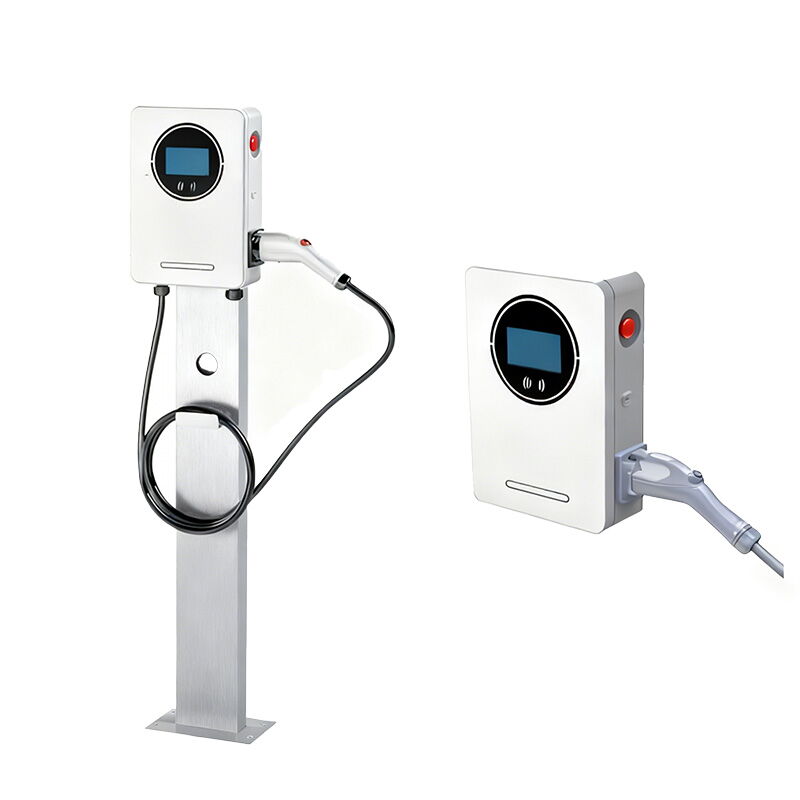
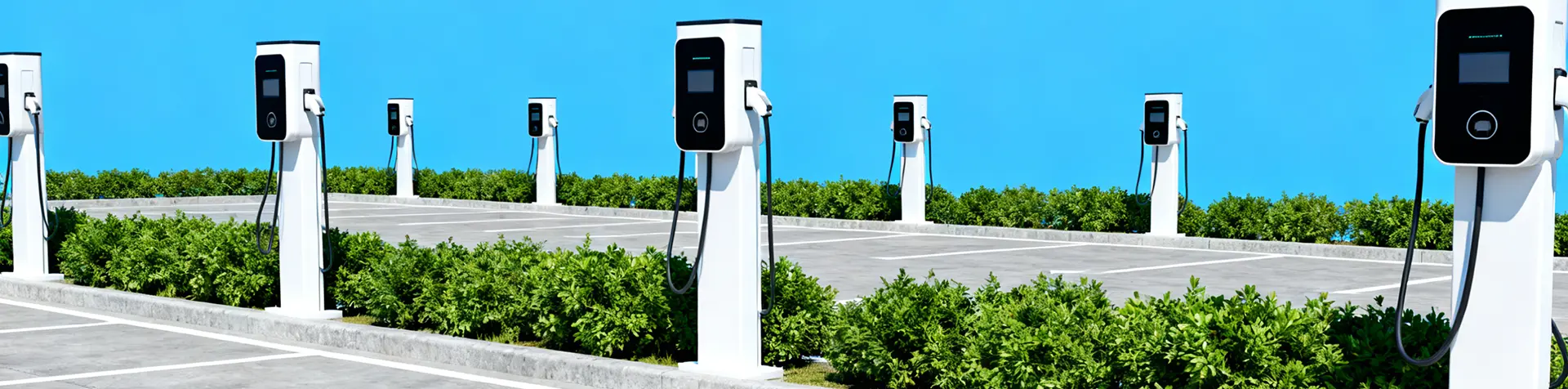
In today's society, with the growing popularity of electric vehicles, EV chargers have appeared in cities like mushrooms after the rain. Parking lots, roadside areas, and various public spaces are now dotted with EV chargers, providing crucial support for the driving range of electric vehicles. However, these EV chargers, which are exposed outdoors, face a severe natural threat, lightning strikes. The power of lightning is immense, and if it strikes an EV charger, it can not only damage the charger itself but may also affect the electrical system of the vehicle being charged, and even endanger human life. Therefore, lightning protection for EV chargers is not a trivial matter; it is a key defense for ensuring the safety of electric vehicle charging.
EV chargers are usually installed in open outdoor locations, such as parking lots and roadside areas, which are high-risk areas for lightning strikes. The chargers themselves contain metal housings, cables, and other conductive components, which can easily act as lightning attractors during thunderstorms. The consequences of a lightning strike can be severe.
If an EV charger is struck by lightning, it may directly damage the internal electrical components, circuits, and housing, and in extreme cases, even cause explosions. Induced lightning and electromagnetic pulses from nearby strikes can burn out circuit boards or cause electronic devices to fail. Even more seriously, a lightning strike may lead to electrical faults or short circuits, potentially causing fires that threaten surrounding vehicles, infrastructure, and buildings.
Additionally, damage or malfunction caused by lightning can render EV chargers inoperable, affecting normal charging for electric vehicles. This disruption impacts traffic convenience, user experience, and the overall reliability of the EV charging network. Most alarmingly, lightning strikes may expose live parts or create electric shock hazards, posing a serious risk to personnel operating or maintaining the EV chargers.
In short, effective lightning protection is essential to ensure both the safety of electric vehicles during charging and the safety of human life.
To effectively counter lightning threats, countries around the world have established specific lightning protection standards for EV chargers and other outdoor electrical facilities. Scientific lightning protection designs are applied to safeguard the equipment. Lightning protection measures are usually categorized into different levels based on factors such as local lightning frequency, equipment power, and exposure environment. Generally, there are three levels of protection.
Level 1 protection is critical when lightning directly strikes an EV charger or its surrounding structures. Lightning rods (air terminals) and grounding systems are the core of this protection level. The lightning rod attracts the lightning and channels it safely into the ground through a well-designed grounding system, thereby protecting the EV charger from direct lightning damage.
The design of the grounding system is crucial. It must have sufficient conductivity and stability to ensure that the lightning current can be quickly and safely discharged into the earth. If the grounding system is inadequate, the lightning energy may not be safely dissipated, causing catastrophic damage to the charger and surrounding area.
Level 2 protection focuses on safeguarding the internal electrical components of the EV charger. Key devices include surge protective devices (SPDs) and overvoltage protection equipment. These devices limit the effects of lightning surges, preventing overvoltage from damaging internal electrical circuits.
For example, when lightning enters the EV charger through the power supply line, overvoltage protection devices detect abnormal voltage spikes and take immediate measures to limit the voltage within a safe range, thereby protecting the internal circuits from damage caused by excessive voltage. Level 2 protection is crucial for maintaining the integrity of sensitive electronic components, control systems, and power conversion modules inside the charger.
Level 3 protection focuses on protecting the power supply lines that connect the EV charger to the electrical grid. Its purpose is to prevent lightning-induced power fluctuations and surges from adversely affecting the EV charger equipment. Lightning in the power grid can induce voltage fluctuations, transient currents, and other disturbances, which may propagate along the power lines into the EV charger, impacting normal operation.
Installing lightning protection devices on incoming power lines can effectively mitigate the impact of lightning and ensure stable EV charger operation. Level 3 protection is especially important in regions with high lightning activity, where power grid disturbances are more frequent and can indirectly compromise charger performance and reliability.
The effective protection of EV chargers against lightning relies on the application of key devices and technologies. These measures not only resist direct strikes but also safeguard the equipment during severe weather conditions. Some critical lightning protection devices and techniques include:
SPDs are essential components that prevent lightning from damaging electrical equipment. When lightning causes voltage surges in the power supply, SPDs absorb the excess energy and limit the current to safe levels, protecting the internal electrical circuits of the EV charger. SPDs should be installed at both the input and output ends of the charger to ensure protection for internal circuits as well as for the circuits connecting to the electric vehicle.
The installation location, model selection, and parameter matching of SPDs are highly important. Different parts of the EV charger, such as the power system, communication interfaces, and control systems, require suitable SPD types. Power lines may use single-stage or multi-stage SPDs, while signal lines use signal SPDs. Other critical considerations include rated voltage, maximum continuous operating voltage, nominal discharge current, and maximum discharge current, ensuring that SPDs can effectively function under varying lightning intensities.
Grounding is the foundational measure for lightning protection, aiming to safely conduct lightning currents into the earth and prevent high potentials from damaging EV charger equipment. In EV charger design, a well-constructed grounding system is essential. This includes installing independent lightning grounding electrodes with a resistance value meeting standard requirements, generally below 10 ohms. Grounding electrodes should be corrosion-resistant, with sufficient contact area and depth to quickly dissipate lightning energy.
The cross-sectional area of grounding conductors should be sufficient to reduce impedance, and connections should be securely welded and corrosion-protected. In some cases, combined grounding is applied, but precautions are necessary to avoid potential hazards due to ground potential rise. Proper grounding ensures the safe and reliable operation of EV chargers under lightning conditions.
Shielding techniques protect EV chargers from electromagnetic interference caused by lightning. By enclosing cables and electronic components within metal housings or shielding layers, a Faraday cage effect is created, which blocks or attenuates the electromagnetic impact on sensitive internal devices.
Isolation techniques further protect internal circuits by separating the working loop of the EV charger from external power or communication networks. Components such as isolation transformers and optocouplers electrically isolate circuits, reducing the risk of lightning-induced currents entering the sensitive equipment. Together, shielding and isolation significantly lower the chances of damage from electromagnetic pulses and surges.
Coupling and diversion techniques are sophisticated measures for controlling lightning currents within EV chargers. By designing circuits and selecting components properly, lightning currents can be diverted along predefined safe paths rather than flowing through critical internal circuits.
For instance, using spark gaps, varistors, or similar devices, lightning currents can be coupled to the grounding system, preventing direct impact on essential components. This technique effectively protects internal devices and ensures that the EV charger continues to operate normally even during lightning events.
With advancements in technology, intelligent monitoring and early warning systems have become an important supplement to EV charger lightning protection. These systems monitor electrical parameters, environmental conditions, and protective device status in real time, identifying potential lightning risks.
When lightning activity is detected nearby, the system can temporarily disconnect the EV charger from the power grid and restore operation after the lightning threat has passed. Intelligent monitoring systems also evaluate the operational status of protective devices, detecting failures or aging components and alerting maintenance personnel. This ensures that the lightning protection system maintains long-term effectiveness.
The structural design of EV chargers is another critical aspect of lightning protection. During design, considerations include:
Minimizing lightning-prone shapes, avoiding sharp protrusions, and reducing exposed metal surfaces to decrease the probability of direct strikes.
Selecting housing materials with good grounding performance and weather resistance. These materials can quickly direct lightning currents into the ground and provide electromagnetic shielding to reduce the impact of induced surges.
A well-considered structural design and material selection can effectively reduce the risk of lightning strikes and improve overall lightning protection performance for EV chargers.
Installing lightning protection devices is not a one-time solution. Regular inspection and maintenance are essential to ensure long-term effectiveness. Particularly before the lightning season, the grounding system and lightning protection devices should be thoroughly checked to ensure proper operation.
Inspection should include verifying the stability of grounding connections, the resistance value of grounding systems, and the integrity of protective devices. Any problems identified must be repaired or replaced promptly. Maintenance personnel should also perform performance testing of protective devices to confirm their functionality during actual lightning events. Regular inspections and maintenance help identify and resolve potential issues, ensuring the safety of EV chargers under lightning conditions.
Lightning protection for EV chargers is a systematic project that involves multiple technologies and measures. From defining protection levels to deploying key devices, from structural design to routine maintenance, each step is vital. Only through scientific design, high-quality installation, and rigorous maintenance management can EV chargers operate safely during lightning events.
This protection not only safeguards the chargers themselves but also ensures the safety of electric vehicle charging, as well as the lives and property of personnel using and maintaining the chargers. With the continuous growth of electric vehicles, lightning protection for EV chargers will face higher standards and more complex challenges. Continuous research and exploration of new lightning protection technologies and methods, along with ongoing optimization of EV charger designs, are essential to cope with increasingly complex lightning environments and provide a solid guarantee for the widespread adoption of electric vehicles.