North American EV Charging: NACS vs. CCS Charging Standards
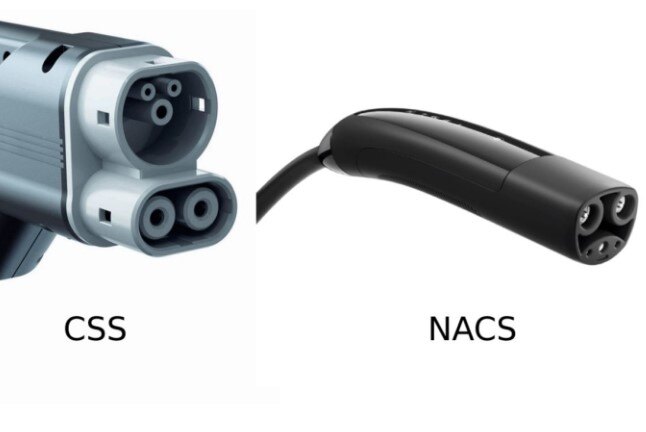
The electric vehicle (EV) market is experiencing rapid growth, making the choice of charging infrastructure a central concern for both individual owners and businesses. In North America, the two primary fast-charging standards are NACS (North American Charging Standard) and CCS (Combined Charging System). This article provides an in-depth comparison of these ev charger standards from multiple perspectives, including technical features, charging speed, vehicle compatibility, and network availability, to help readers understand their differences and make informed choices.
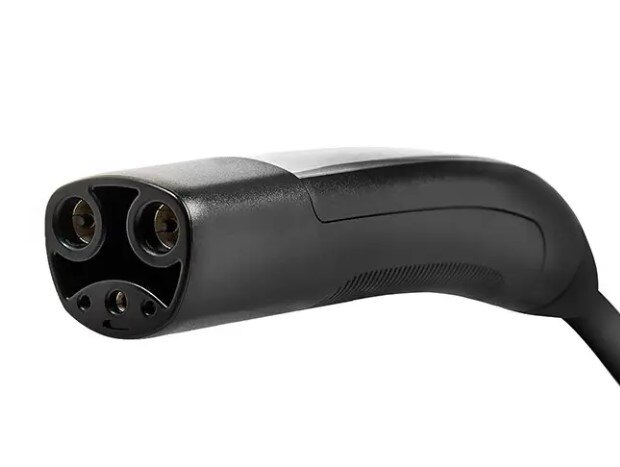
- Definition and Characteristics of NACS: NACS was designed and developed by Tesla as a charging standard that integrates both AC charging and DC fast charging. Its most notable feature is its compact design and user-friendly operation. With a single connector, users can charge their vehicles in different modes, and even non-Tesla EVs can operate NACS charging stations with one-handed convenience. Initially proprietary to Tesla, NACS has gradually been opened to the broader industry and was officially standardized by the Society of Automotive Engineers (SAE) in late 2024.
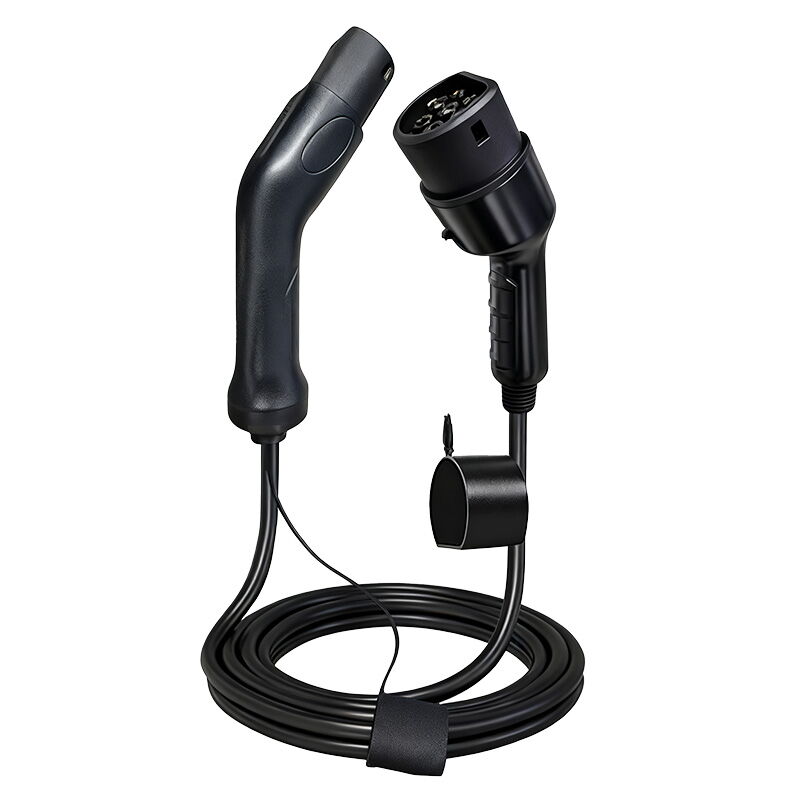
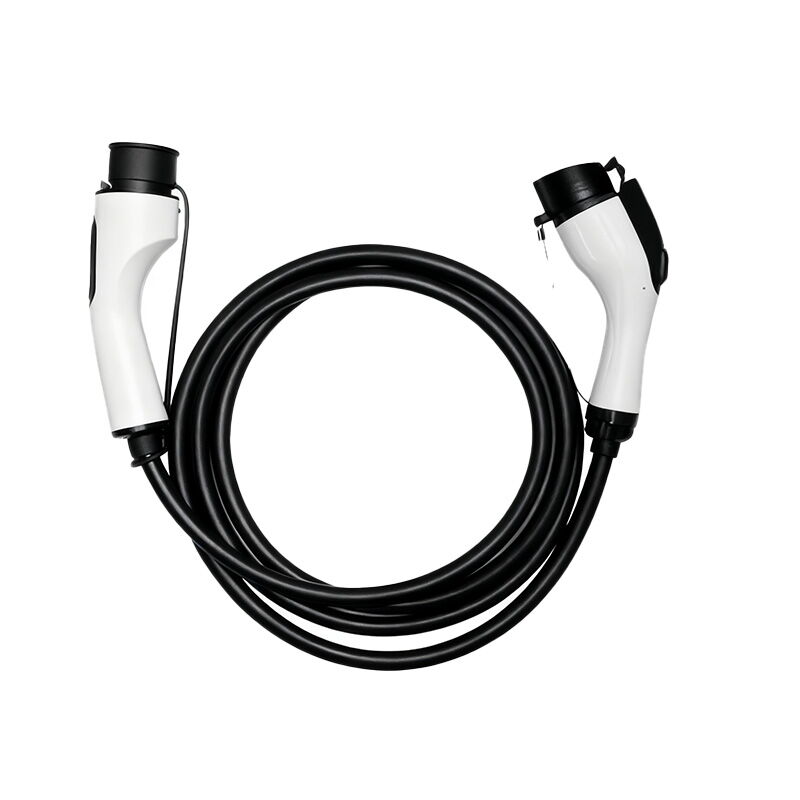
- Definition and Characteristics of CCS: CCS is a widely adopted global open standard, jointly developed by major automakers. It combines a J1772 AC interface with additional DC fast-charging pins, supporting both AC and DC charging modes. CCS is suitable for home slow charging and public fast charging alike and is widely used across Europe and North America. Numerous manufacturers, including BMW, Volkswagen, Ford, Hyundai, Kia, and Mercedes-Benz, support the CCS standard.
- Appearance and Operational Differences: The NACS connector is compact, integrating AC and DC charging into a single small interface that is lightweight and easy to plug in or remove. In contrast, the CCS connector, which combines the AC interface with a separate DC fast-charging section, is larger and heavier, making operation relatively less convenient. In daily use, NACS offers clearer advantages in ease of handling, especially for scenarios requiring frequent plugging and unplugging.
Charging speed is one of the most critical factors for users when selecting a charging standard. NACS and CCS each have unique characteristics in terms of theoretical peak power, real-world charging experience, and potential for future expansion. The comparison below examines NACS's charging capabilities, CCS's charging capabilities, and practical differences in charging experience.
NACS Superchargers currently provide up to 250 kW of charging power. Under optimal conditions, a vehicle can gain approximately 200 miles of range within 15 minutes of charging. The standard also has strong scalability, with future versions expected to support up to 1 MW of power output to meet the needs of heavy-duty EVs. Tesla's Supercharger network in North America typically delivers stable charging performance, with minimal fluctuations in power output.
CCS supports a maximum charging power of 350 kW and voltage up to 1,000 V, exceeding the peak power of NACS. For example, the Lucid Air can accept up to 297 kW, achieving exceptional peak charging speeds. CCS's high-power output is ideal for multi-brand EVs requiring rapid energy replenishment and theoretically offers a higher charging ceiling than NACS.

Despite CCS's higher theoretical peak power, actual charging speed depends on both the vehicle's maximum input power and the condition of the charging network. In practice, Tesla's Supercharger network often provides more stable power output and a more reliable connection experience. CCS stations, managed by multiple operators, exhibit variability in equipment performance, so actual charging speeds may fall short of nominal ratings. When choosing a charging standard, users should focus on practical charging speed rather than theoretical peak figures.
The value of a charging standard ultimately depends on the number of vehicles that can use it. NACS and CCS are in a dynamic state regarding vehicle support, automaker attitudes, and future transition trends.
In the North American market, all Tesla models—including the Model 3, Model Y, Model S, and Model X—use the NACS connector. These vehicles can seamlessly access the Supercharger network without adapters. As of October 2025, several non-Tesla manufacturers, including Ford, GM, Rivian, Volvo, Polestar, Nissan, Lucid, Mercedes-Benz, Hyundai, Genesis, Kia, Honda, Acura, Jaguar Land Rover, Audi, Porsche, and Toyota, have announced support for NACS.
Traditionally, most non-Tesla EVs use CCS, covering many models from Hyundai, Kia, BMW, Volvo, Jaguar Land Rover, Mercedes-Benz, Lucid, and more. CCS is a mandatory fast-charging standard in Europe and has a significant user base in North America. For owners of these vehicles, CCS remains the primary charging solution.
Since 2023, Ford and GM have led the industry by partnering with Tesla to introduce NACS in upcoming EV models, marking a turning point. By early 2025, major automakers, including Honda, Hyundai, Mercedes-Benz, BMW, Volvo, and Polestar, pledged to release NACS-compatible vehicles by the end of 2025. Companies like Hyundai and Honda are already offering CCS-to-NACS adapters to allow existing customers to access Tesla's charging network. Ford has distributed 140,000 free adapters, signaling a clear industry trend toward NACS adoption.
Beyond vehicle compatibility, the coverage and reliability of charging networks directly affect everyday use. NACS relies on Tesla's Supercharger network, whereas CCS is supported by multiple operators. The two standards differ significantly in terms of station count, uptime, and user experience.
Tesla operates over 25,000 Superchargers in North America, nearly double the number of ports available in other public DC fast-charging networks. The network boasts a 96% uptime rate, providing clear advantages in reliability and charging speed. Superchargers are densely distributed along major highways and urban areas, and users can locate, navigate, and pay directly through the in-vehicle system, ensuring a highly integrated experience.
CCS stations are managed by multiple operators, including Electrify America, EVgo, Blink, and ChargePoint. Although the total number of stations is high, historical data shows lower reliability. For instance, 2022 data from the San Francisco Bay Area indicated a CCS station uptime of approximately 72.5%, significantly lower than Tesla's network. Variations in payment methods, software platforms, and pricing policies among operators also require users to navigate multiple systems.
For EV owners, charging network reliability directly impacts travel confidence. A high uptime rate increases the likelihood of finding available chargers, reducing range anxiety. Tesla's network reliability minimizes this concern, whereas CCS networks, with higher failure rates, may leave drivers without usable chargers when urgently needed. As NACS adoption grows, operators like Electrify America and ChargePoint have announced plans to support NACS plugs, gradually blurring network distinctions.
As NACS becomes more open to the industry, interoperability between the two standards is crucial during the transition period. Factors including communication protocols, adapter availability, and corporate strategies will shape the future EV charging ecosystem.
Both NACS and CCS use the ISO 15118 protocol, supporting plug-and-charge functionality. This allows users to begin charging immediately upon plugging in, without the need for cards or mobile apps. The shared communication protocol provides a foundation for future integration.
During the transition, adapters are key tools connecting the two standards. Tesla owners can use adapters to access CCS stations, expanding charging options. Non-Tesla owners can access NACS Superchargers using NACS-to-CCS adapters or Tesla's Magic Dock. The proliferation of adapters enables non-Tesla vehicles to leverage Tesla's high-reliability network, accelerating NACS adoption in North America.
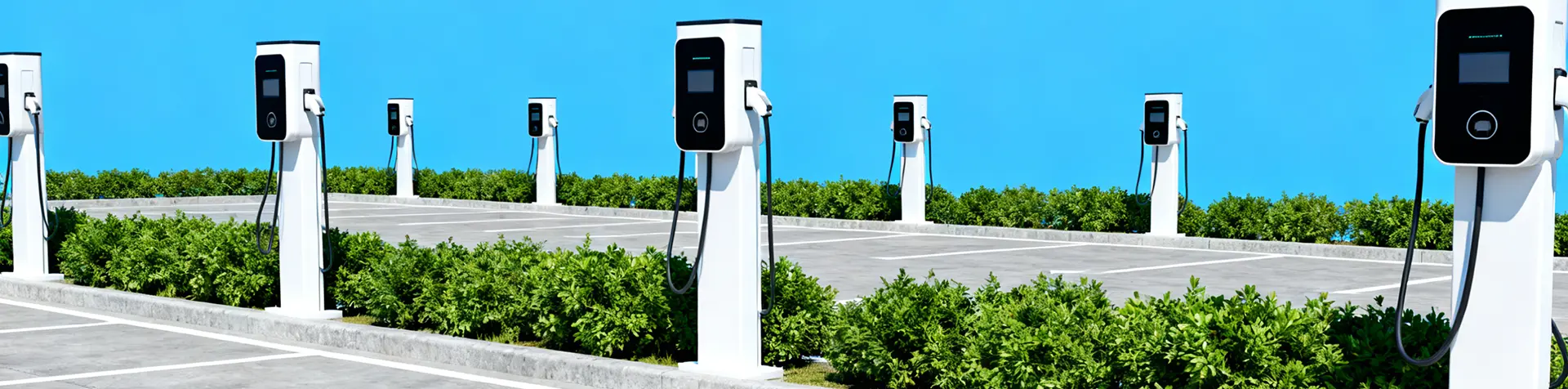
Businesses investing in charging infrastructure should plan for current vehicle compatibility while maintaining future flexibility. Installing dual-interface chargers compatible with both NACS and CCS is prudent. Equipping stations with adapters allows older CCS vehicles to access new NACS chargers. Smart charging management software can detect connector types, manage power distribution across multiple vehicles, and support plug-and-charge and global roaming capabilities, ensuring open compatibility.
With two coexisting standards, individual users must make choices based on practical circumstances. Factors include vehicle type, usage patterns, and home charging conditions.
Tesla owners naturally benefit from NACS, as their vehicles are natively compatible with the Supercharger network, offering seamless and convenient charging. Owners of CCS vehicles can continue using CCS networks while considering adapters to access NACS, expanding charging options.
For users frequently driving long distances in North America, NACS's high coverage and reliability are advantageous. Drivers traveling across borders or using European networks may prioritize CCS's global compatibility. Urban commuters with occasional long trips can rely on either standard, with the choice dependent on nearby charging availability.
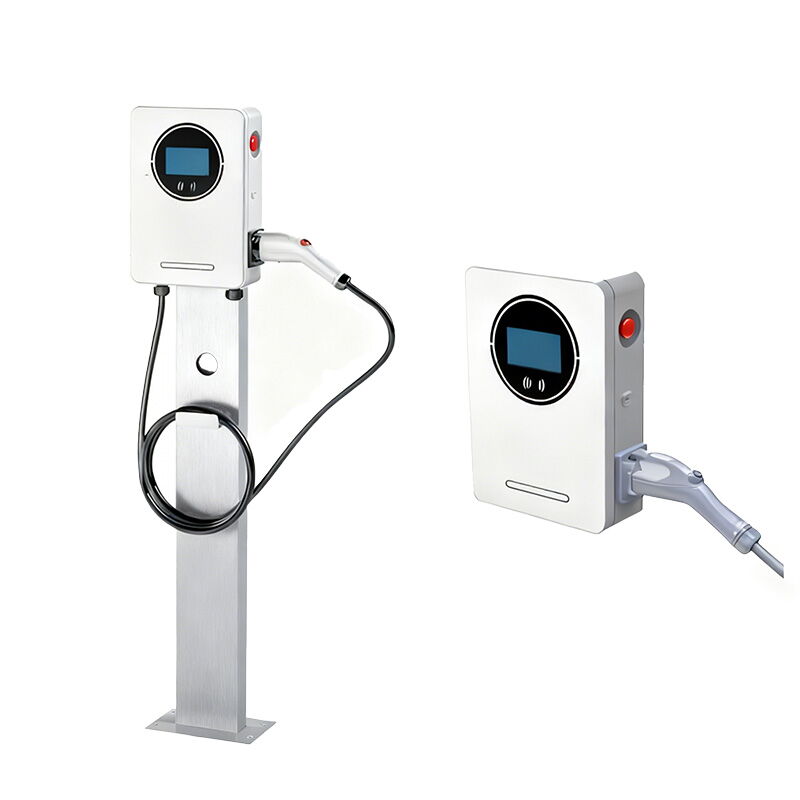
For Tesla owners, home chargers enhance daily charging convenience. For example, the Autel MaxiCharger AC Lite Home 50A provides up to 12 kW, adding approximately 48 miles of range per hour, with a 25-foot extension cable for flexible installation. It supports Bluetooth, Wi-Fi, and Ethernet connections, allowing users to manage charging schedules, monitor remotely, and integrate with smart home systems, including voice control.
NACS and CCS are the two dominant EV charging standards, each with distinct advantages. NACS offers compact design, user-friendly operation, a reliable network, and expanding manufacturer support, rapidly gaining traction in North America. CCS, as an open standard, provides broader global compatibility and higher peak power but has room for improvement in user experience and network reliability.
Market trends indicate that NACS is becoming the mainstream charging interface in North America, though CCS will not disappear immediately. With automakers transitioning to NACS and policies supporting dual-standard stations, both standards are expected to coexist in the coming years. Individual users should choose based on their vehicle, driving habits, and local charging network. For businesses and property managers, flexibility is key: installing dual-interface chargers, providing adapters, and using smart charging management software ensures all EV users can charge reliably.
North American EV charging is at a critical juncture. By understanding the differences between NACS and CCS, drivers and companies can make more informed decisions, ensuring convenient, reliable charging for the growing electric mobility ecosystem.