SAE J1772: Driving Global Standards for EV Charging
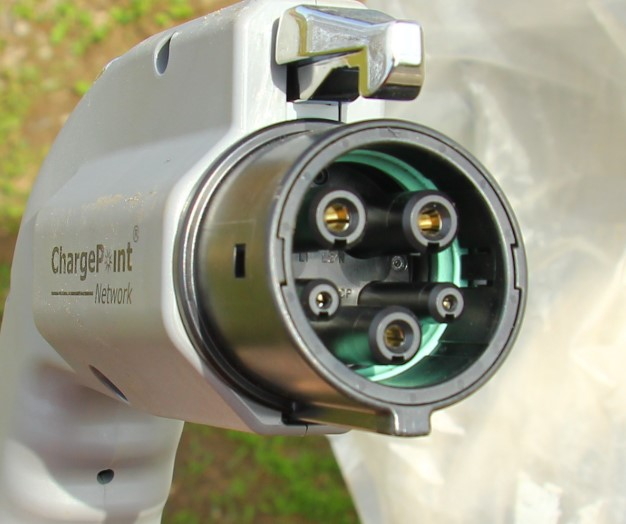
In today's rapidly developing era of electric vehicles (EVs), the standardization of ev charging infrastructure is of paramount importance. It not only affects consumers' purchasing decisions but also determines the future development of the electric vehicle industry. The SAE J1772 standard, as a key specification in the field of electric vehicle charging, is playing an important role worldwide. This article will explore in depth the background, technical details, advantages, and impact of the SAE J1772 standard on the electric vehicle industry.
The SAE J1772 standard was first approved in 1996 and is a pioneer in the field of EV charging interfaces. With continuous advancements in electric vehicle technology, the standard has undergone multiple updates and expansions. Today, SAE J1772 not only covers the physical and electrical characteristics of the charging interface but also involves communication protocols and interoperability requirements. The formulation of this standard has received broad support from global automobile manufacturers, government agencies, and research institutions, making it an authoritative specification in the field of electric vehicle charging.
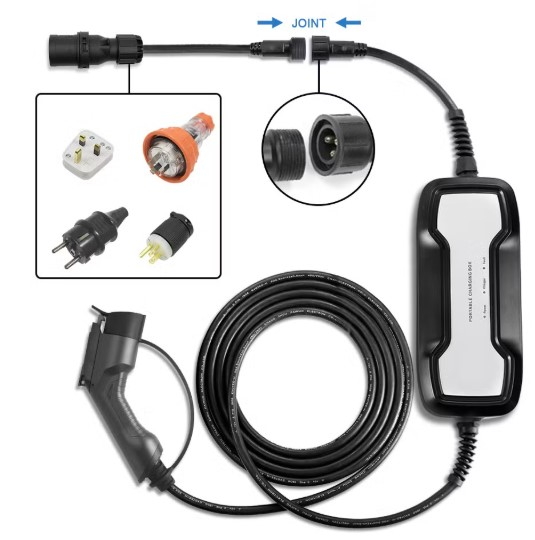
After understanding the origin and development of the SAE J1772 standard, we will next explore its core content. This content covers multiple key aspects, from the physical characteristics of the charging interface to communication protocols and interoperability requirements, forming a solid framework for the SAE J1772 standard and providing comprehensive and detailed guidance for EV charging. So, what exactly does the SAE J1772 standard include? Let us take a closer look.
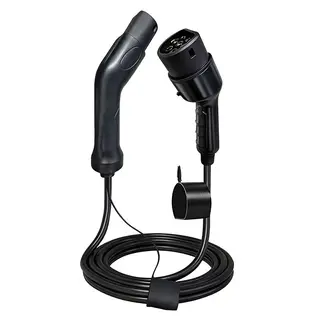
SAE J1772 defines the physical structure of the charging interface, including the design of plugs and sockets. The plug part has 12 contact points, while the socket part has 4 contact points. This design ensures the stability and reliability of the charging interface. In addition, the standard specifies the rated operating voltage and current of the connector: the maximum AC voltage is 240 V AC, with a maximum AC current of 80 A; the maximum DC voltage is 1000 V DC, with a maximum DC current of 400 A. These parameters ensure that the charging interface can meet the charging needs of different electric vehicles.
The SAE J1772 standard not only focuses on the physical connection of the charging interface but also specifies the communication protocol between the electric vehicle and the charging station. This communication ensures the safety and efficiency of the charging process. For example, through handshake communication, the vehicle and the charging station can mutually identify each other and confirm charging parameters. In addition, the standard specifies the use of components such as single-wire bidirectional communication, relays, and contactors to ensure the stability and safety of the charging process.
An important feature of the SAE J1772 standard is its interoperability. This means that electric vehicles of different brands and models can all use charging stations that comply with this standard. Such interoperability greatly enhances the universality and convenience of charging infrastructure. For example, whether an owner drives a Nissan, Chevrolet, or Ford electric vehicle, they can use a charging station equipped with the SAE J1772 interface.
After exploring the main content of the SAE J1772 standard, one may ask: why does this standard occupy such an important position in the field of EV charging? The answer lies in its numerous significant advantages. These advantages not only bring great convenience to EV users but also provide strong momentum for the development of the entire electric vehicle industry. Next, we will analyze the key advantages of the SAE J1772 standard in detail, revealing the factors behind its success. How do these advantages affect the popularization of electric vehicles and the construction of charging infrastructure? Let us explore further.
The compatibility of the SAE J1772 standard is one of its greatest advantages. It applies not only to current electric vehicle models but also supports future models. This broad compatibility allows automakers and charging facility providers to develop and deploy products under a unified standard, reducing development costs and market risks.
The SAE J1772 standard incorporates multiple safety mechanisms, such as interlocks and ground fault protection. These mechanisms ensure the safety and reliability of the charging process. For example, the interlock mechanism can prevent accidental plug removal during charging, while ground fault protection can prevent safety accidents caused by electrical faults. These safety features give consumers confidence and promote the popularization of electric vehicles.
The SAE J1772 charging interface is easy to operate and convenient to plug and unplug, greatly enhancing the user experience. This improvement in user experience encourages more people to choose electric vehicles as a means of transportation. In addition, since most public charging stations are equipped with the SAE J1772 interface, vehicle owners can easily use the existing charging network without worrying about compatibility issues.
The SAE J1772 charging interface undergoes rigorous testing, including accelerated aging tests, current cycle tests, insulation resistance tests, and mechanical tests. These tests ensure the durability and reliability of the charging interface. For example, the cable structure of the charging interface can withstand temperatures ranging from -58°F to 221°F, suitable for various harsh outdoor environments. This durability and reliability make the SAE J1772 charging interface a long-term dependable charging solution.
After exploring the origin, main content, and significant advantages of the SAE J1772 standard, we have gained a deeper understanding of it. However, the impact of SAE J1772 extends far beyond this. It not only provides technical specifications for EV charging but also has a broad and profound influence on the international stage.
The SAE J1772 standard originated in the United States and has been widely applied and recognized in North America. With the popularization of electric vehicles in the U.S., more and more charging equipment has adopted this standard to meet market demand. Besides the United States and Canada, the standard has also had a profound impact on the formulation of EV charging standards in other countries and regions.
- North America: SAE J1772 is the dominant AC charging interface standard. Every EV sold in North America can use charging stations with the J1772 connector.
- Europe: Although Type 2 connectors are mainly used in Europe, some technical specifications and requirements from SAE J1772 were referenced in developing European standards. Additionally, the Combo Connector (based on the J1772 revision for DC fast charging) is widely used in Europe.
- Asia: Japan's CHAdeMO standard differs from SAE J1772 in certain technical details but was also inspired by it. In China, although GB/T connectors are primarily used, some core elements of SAE J1772 have been incorporated into relevant standards.
The promotion and application of SAE J1772 have strongly driven the rapid development of the global EV market. The establishment of the standard provides manufacturers and charging infrastructure providers with a common technical framework, reducing market confusion and uncertainty.
- Promoting Market Integration: By ensuring compatibility between different vehicles and charging facilities, SAE J1772 establishes a common language among automakers, charging equipment providers, and regulators. This helps reduce development costs and market risks, promoting further integration and expansion of the EV market.
- Enhancing Consumer Confidence: The widespread application of the standard provides confidence to consumers, allowing them to use EVs conveniently without worrying about charging facility compatibility. This convenience reduces consumer hesitation and promotes EV market growth.
SAE J1772 is not only a technical specification; it also provides a fundamental framework for the healthy development of the EV industry, protects consumer interests, and promotes the prosperity of the supply chain. Through international cooperation and communication, SAE J1772 has inspired and guided the development of standards in other regions, facilitating coordinated global development of EV charging technology.
- Technical Compatibility: The communication protocol of SAE J1772 has been incorporated into the IEC 62196-2 standard, becoming a widely applied international charging interface specification. This lays the foundation for global EV charging interoperability.
- Continuous Improvement: SAE International manages revisions through expert committees to adapt to new technologies while maintaining backward compatibility. This mechanism ensures that SAE J1772 can meet evolving market demands and technological progress.
As an authoritative specification in the field of electric vehicle charging, SAE J1772 plays an important role worldwide. Its wide compatibility, safety, user experience, durability, and reliability make it an ideal choice for EV charging infrastructure. By promoting EV adoption, facilitating global cooperation, and reducing industry costs, SAE J1772 strongly supports the development of the EV industry. With continuous technological advancement, the SAE J1772 standard will continue to lead the development of the EV charging sector and make greater contributions to the global adoption of electric vehicles.