Safety Protection of EV Charging Stations
As the rapid development of new energy vehicles continues to reshape the global transportation landscape, EV charging stations have emerged as an indispensable energy supply hub. They not only provide convenient and timely power replenishment but also serve as a critical safety barrier during charging. However, as sophisticated electronic devices, charging stations face a range of potential risks during operation, such as voltage fluctuations, short circuits, and leakage currents. To ensure both user safety and equipment reliability, modern EV chargers are equipped with a comprehensive system of advanced protection mechanisms designed to safeguard every aspect of the charging process.
Residual Current Detection and Protection (RCD) is one of the core safety functions integrated into the charging station's main control board. It directly relates to user safety and plays an essential role in preventing fire hazards caused by persistent ground faults. RCD modules detect fault currents that deviate from normal flow patterns and disconnect power when abnormal leakage is detected.
Common types of RCD modules include Type A, Type B, Type F, and Type AC, with each category defined by the type of residual current it detects:
Type A detects AC sinusoidal currents and pulsating DC residual currents, making it suitable for complex charging scenarios.
Type B detects AC, pulsating DC, and smooth DC residual currents, offering the broadest level of protection and essential for modern EV chargers.
Type F detects AC and pulsating DC currents and is typically used in specific industrial applications.
Type AC detects only standard AC residual currents and is more commonly used in traditional households or commercial AC systems.
These RCD modules are typically installed at both the input and output sides of the EV charger to provide continuous monitoring of electrical current flow. When even a small leakage current is detected, for example, current passing through a human body or unintended grounding, the RCD responds within 30 milliseconds, swiftly cutting off the power and preventing electric shock incidents.
Once triggered, the charger immediately halts operation and records detailed fault data, including time of occurrence and current magnitude. These records support troubleshooting, preventive maintenance, and identification of underlying risks, ensuring long-term operational safety.
Overload protection is a vital component within the charger's safety mechanism. It prevents damage to the charger's internal power components by interrupting charging when current flow exceeds the device's rated load. For instance, if a vehicle requests charging power beyond the charger's designed capacity, overload protection will automatically reduce output or stop charging entirely. This prevents overheating, protects sensitive components, and ensures long-term stability and reliability.
Overvoltage protection is designed to respond when the grid voltage spikes above the charger's acceptable range. Voltage surges may occur during peak electricity demand or due to grid instability. When the voltage surpasses preset safe thresholds, the charger disconnects power or reduces the input voltage to prevent damage. High voltage can cause severe and irreversible harm to the vehicle's battery system, including breakdown of internal insulation or accelerated aging. The overvoltage protection mechanism ensures the battery remains safe throughout the charging process.
In contrast, undervoltage protection is activated when the grid voltage drops below a predetermined value. Low voltage can significantly reduce charging efficiency and may lead to uneven charging, negatively impacting battery health and lifespan. When undervoltage occurs, the charger stops charging to prevent overloading and ensure that the battery is not subjected to unsafe charging conditions. This function maintains both efficiency and long-term battery performance.
A short circuit is among the most dangerous conditions during charging. It occurs when the current bypasses the intended load and flows through an unintended direct path, causing a sudden surge of current. If not immediately corrected, this can lead to overheating, fire hazards, or catastrophic component failure.
To prevent such scenarios, chargers employ multilayer short-circuit protection from the power input section all the way to the charging output connector. Once a short circuit is detected, the system instantly cuts the power and records detailed fault data. This ensures rapid troubleshooting and safe restoration of service.
Leakage current, on the other hand, refers to unintended current flow through abnormal paths such as a human body or the ground. Leakage protection devices continuously monitor the balance of input and output currents. When a leakage current is detected, often as small as a few milliamperes, power is disconnected in mere milliseconds. This prevents electric shock and reduces the risk of electrical fires caused by insulation failures.
These protections collectively ensure that both the user and the charging equipment remain safe throughout the entire charging cycle.
Grounding is a fundamental safety measure in electrical systems. It involves connecting the metallic, touchable parts of the EV charger to the earth using a reliable conductor. Although these metal parts should never carry current, insulation failures may cause them to become energized. Proper grounding provides a safe discharge path for unwanted current, preventing electric shock.
Modern charging stations are designed according to strict grounding standards, ensuring that all exposed metal components remain safely grounded at all times. Additionally, an automatic grounding continuity check is performed before each charging session to guarantee that the grounding circuit remains intact.
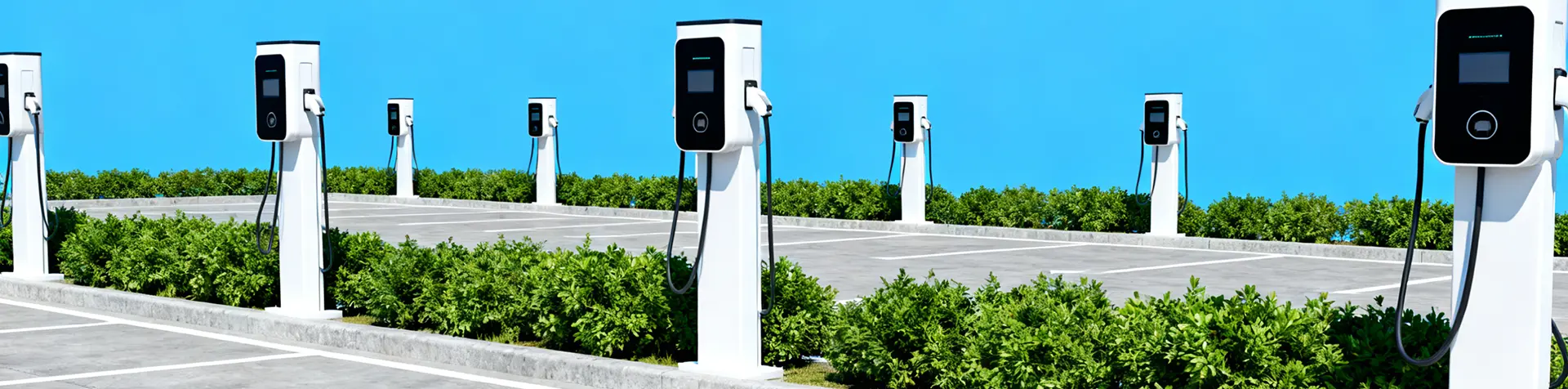
Surge protection, often provided by Surge Protection Devices (SPDs), is equally crucial. SPDs protect the charger from transient overvoltage caused by lightning strikes or switching operations within the power grid. These devices divert excessive surge energy to the ground, protecting sensitive components from damage. For public or outdoor charging stations often exposed to harsh weather, surge protection is essential to ensure uninterrupted and safe operation.
Excessive temperature is a common safety hazard in EV charging, especially during high-power fast charging. Chargers are equipped with multiple temperature sensors that monitor critical components such as transformers, PCBs, heat sinks, and power modules. When internal temperatures exceed safe thresholds (typically 60°C to 80°C), the system activates cooling fans or suspends charging to prevent thermal damage.
Advanced EV chargers also communicate with the vehicle's Battery Management System (BMS) to monitor real-time battery temperature. If the battery becomes too hot, such as exceeding 45°C during fast charging, the charger will automatically reduce the charging power to allow heat dissipation. In cold conditions (below –10°C), the charger may initiate pre-heating mechanisms before charging begins. These intelligent thermal controls improve safety, enhance battery longevity, and prevent charging accidents caused by extreme temperatures.
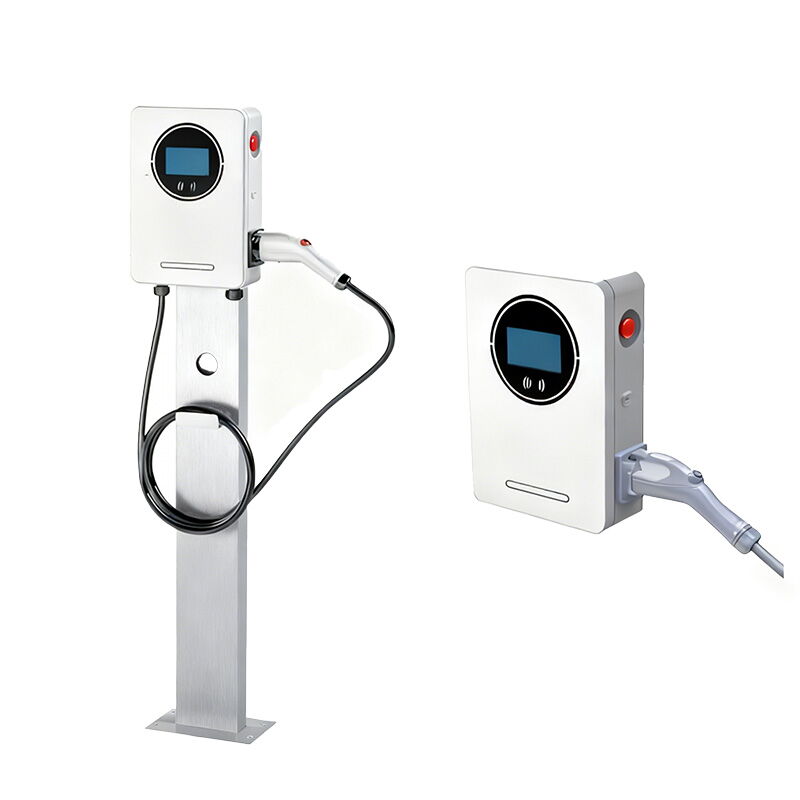
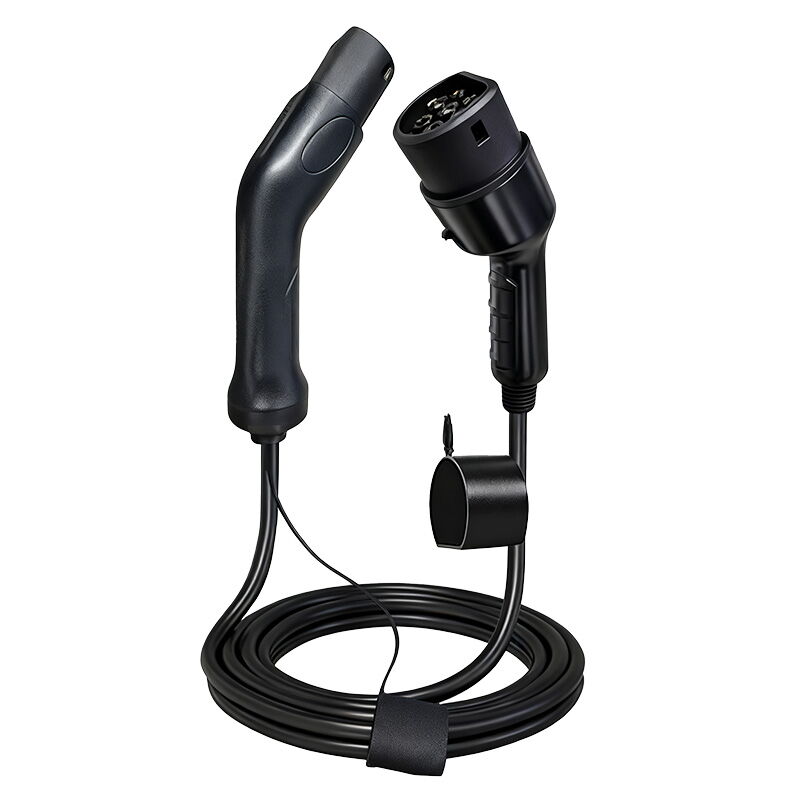
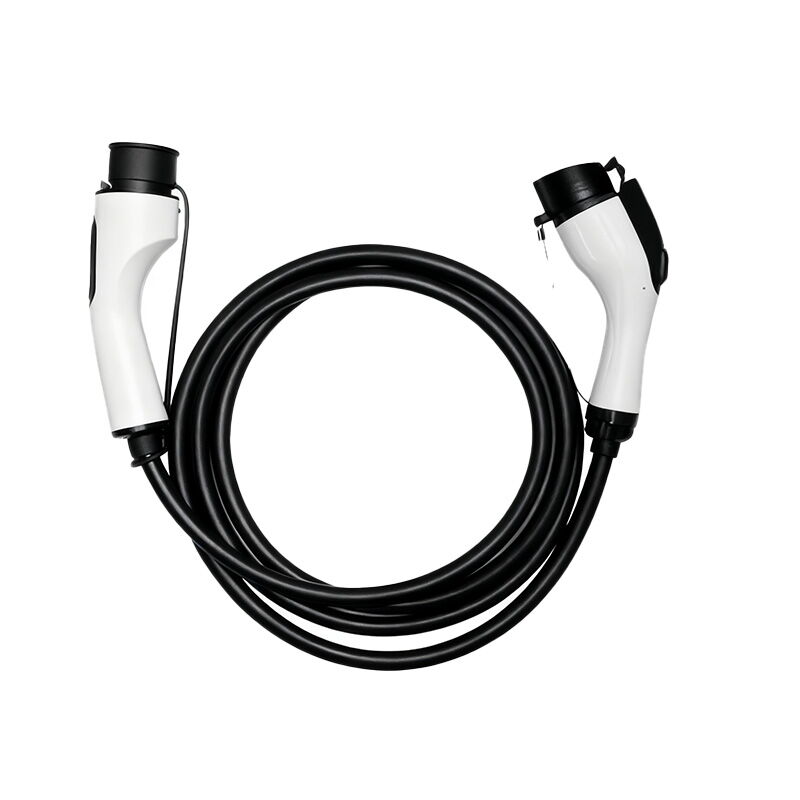
The charging interface itself plays a critical role in ensuring safe operation. Reverse-polarity protection prevents damage caused by miswiring or incorrect electrical connection. Although modern connectors are designed to avoid incorrect insertion, the system still incorporates electronic protection to disable power output if an improper connection is detected. Connector overtemperature protection monitors the plug temperature during charging. Poor contact, loose connections, or impurities can create resistance and generate local overheating. When abnormal heat is detected, the charger stops charging to prevent melting, fire hazards, or connector failure. Outdoor chargers also incorporate waterproof and dustproof protection, typically meeting IP54 or higher standards. These ensure that rain, dust, and contaminants do not enter the internal components or charging interface, maintaining safety even under harsh environmental conditions. Many public chargers are further equipped with emergency stop buttons, allowing users to immediately cut all power in case of an emergency. Additionally, the charging interruption protection mechanism prevents electric arcs if the connector is removed accidentally during charging. When communication between the charger and the vehicle is lost (due to signal interference or connection failure), the charger instantly stops output to avoid uncontrolled charging. These protection layers collectively enhance operational reliability, user safety, and long-term equipment stability.
Safety remains one of the most critical issues in the growing new energy vehicle ecosystem. Risks such as short circuits, leakage currents, and overheating can threaten both personal safety and vehicle integrity. The multilayer protection technologies built into modern EV chargers serve as a robust defense system against these hazards. Understanding these protections not only helps users charge their vehicles with confidence but also promotes awareness of safety standards in the charging infrastructure industry. As EV adoption accelerates worldwide, the safety and reliability of charging stations will increasingly shape the future development of the entire industry. Ensuring every charging session is safe and dependable is essential for building public trust and supporting the sustainable growth of green transportation. With continuous technological advancements and stricter safety regulations, EV charging systems will continue to evolve, offering even greater protection and convenience for all users.