V2G Charging Stations: Interaction Between EVs and the Grid
In today's era of energy transition and transportation transformation, V2G (Vehicle-to-Grid) charging stations have emerged as a groundbreaking innovation, shining like a brilliant new star with limitless potential and value. This technology does not merely provide a way to charge electric vehicles (EVs); it fundamentally redefines the relationship between EVs and the power grid, offering profound implications for energy utilization, mobility, and environmental protection. V2G technology represents a significant step toward integrating electric vehicles into a smart, sustainable, and efficient energy ecosystem. In this article, we will explore the numerous advantages of V2G charging stations, examine the core technologies behind them, and discuss their promising future, providing a comprehensive understanding of this cutting-edge innovation.
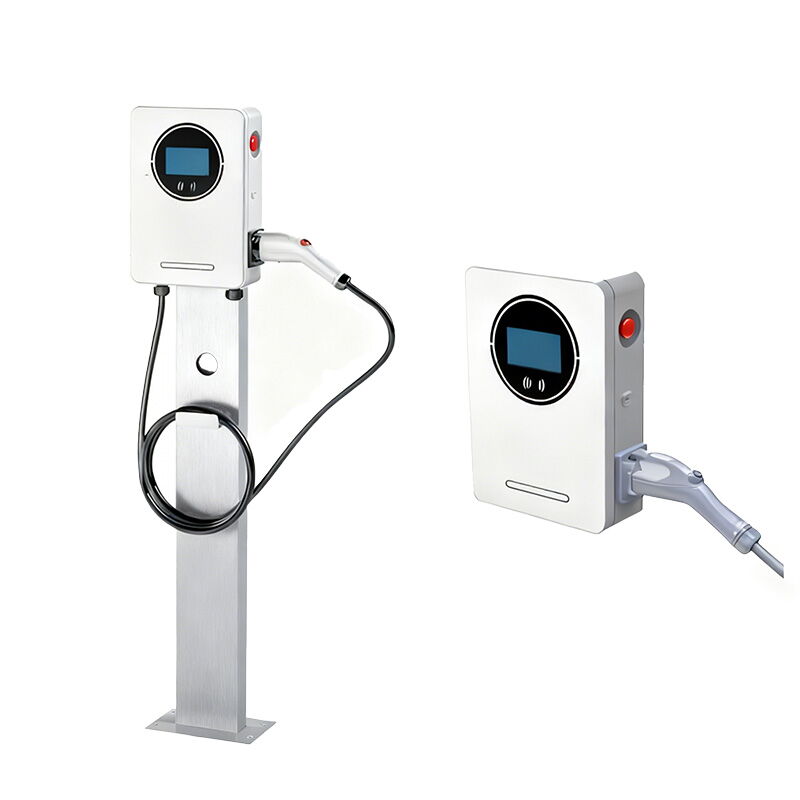
V2G, or Vehicle-to-Grid, charging stations differ from traditional chargers in a critical way: they enable bidirectional electricity flow. Unlike conventional charging stations, which only supply electricity to the vehicle, V2G stations allow energy to move both to and from the EV. Imagine your electric vehicle parked in a lot, not merely as a device waiting to be charged, but as a mobile energy storage unit capable of interacting dynamically with the grid.
Electricity demand in everyday life fluctuates significantly. During peak hours, such as evenings when everyone returns home and numerous appliances are in operation, grid load rises sharply, requiring extensive power generation capacity to meet demand. Conversely, during off-peak hours, large portions of the electricity generation infrastructure remain idle, leading to inefficiencies. The introduction of V2G charging stations provides an elegant solution to this imbalance.
During low-demand periods, V2G stations transfer electricity from the grid to EV batteries, effectively “charging” the vehicles. At this time, an EV functions as a portable energy storage unit, much like a large-scale power bank. When grid demand peaks, energy stored in EV batteries can be fed back to the grid, helping to stabilize supply. This bidirectional energy flow meets the charging needs of vehicle owners while simultaneously providing the grid with flexible, dispatchable storage resources. Real-time energy scheduling becomes possible, and overall energy utilization efficiency is significantly enhanced.
Understanding the bidirectional functionality and basic operational principles of V2G charging stations naturally raises the question: what tangible benefits does this innovative technology provide? V2G systems offer far-reaching advantages for EV owners, grid operators, and society as a whole.
The global emphasis on environmental protection has accelerated the adoption of renewable energy sources, such as wind and solar power. However, these energy sources are inherently intermittent and variable. For instance, wind generation depends on wind speed and availability, while solar generation is affected by sunlight duration and intensity. These fluctuations can pose serious challenges to stable grid operation.
V2G charging stations act as a buffer, absorbing energy from the grid when renewable output is high and feeding energy back when demand peaks. By doing so, V2G reduces reliance on traditional fossil fuel backup generation, allowing renewable energy to integrate more reliably into the grid. This smoother integration supports large-scale deployment of renewable energy, reduces dependence on nonrenewable resources, and lowers greenhouse gas emissions and environmental pollution.
In densely populated urban centers, the difference between peak and off-peak electricity demand is substantial. During peak periods, many power plants must operate at full capacity to meet demand, while during off-peak periods, large numbers of generation units remain idle, resulting in wasted resources. V2G charging stations utilize the long periods during which vehicles are parked to absorb excess electricity during low-demand periods and to feed electricity back into the grid during peak periods.
This process minimizes the need for investment in additional backup capacity, reduces the peak-valley load difference, improves grid operation efficiency, and enhances overall system stability. By dynamically adjusting to demand fluctuations, V2G reduces the risk of grid failures caused by extreme load variability, ensuring that electricity supply remains reliable and consistent.
For electric vehicle owners, V2G technology offers tangible financial incentives. By charging their vehicles when electricity demand is low and prices are inexpensive, and selling stored energy back to the grid during peak demand and high-price periods, owners can earn significant income. This revenue can offset some or even all of the costs associated with EV ownership, making the investment in electric mobility more economically attractive.
Grid operators also benefit. By utilizing the storage capacity provided by V2G-enabled EVs, they can reduce investment in dedicated energy storage infrastructure while optimizing grid performance. Enhanced supply reliability and operational efficiency translate to additional economic value. This creates a win-win scenario for all parties involved: grid operators gain flexibility and reliability, EV owners receive financial benefits, and automakers benefit from the increased adoption of EVs.
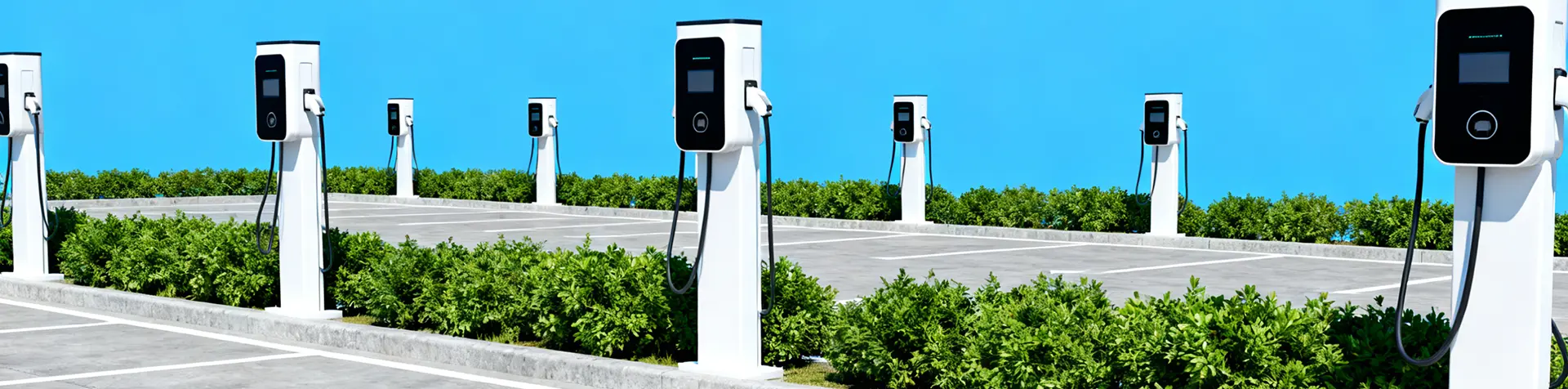
V2G systems can also serve as emergency power sources. In locations such as large parking lots at tourist attractions or residential communities, where AC power from the grid may be interrupted due to faults or maintenance, V2G charging stations can provide uninterrupted power to critical loads.
In these situations, EVs function as distributed mobile power stations, supplying electricity to essential equipment and residential facilities. This allows grid maintenance crews valuable time to repair and restore power without causing disruptions. Such emergency power solutions reduce investment in traditional backup generators, offer high reliability, and can be scaled according to actual requirements, including parallel operation to expand capacity. This greatly enhances overall power reliability and resilience.
The technological foundation of V2G charging stations encompasses innovations on both the grid and user sides.
On the grid side, power monitoring systems are critical. Using computers, communication devices, and control units, these systems monitor and manage the production and distribution of electricity. While such systems are mature in traditional grids, V2G applications require advanced capabilities, including smart sensors, artificial intelligence (AI), cloud computing, and blockchain technologies, to collect and analyze EV-related big data.
Research focuses on two primary areas:
Optimizing control algorithms to calculate the most efficient charging and discharging strategies for EVs under varying conditions, maximizing their role as distributed energy storage devices.
Minimizing losses and ensuring the quality of electricity when large numbers of EVs simultaneously interact with the grid. Voltage, frequency, and other grid parameters can be affected by mass EV integration, requiring sophisticated optimization techniques to maintain safe and stable operation.
Bidirectional charging technology is central on the user side. This can be implemented as onboard AC charging or offboard DC charging. Onboard AC requires specialized equipment and upgraded vehicle electrical systems to facilitate bidirectional energy flow. Offboard DC charging is currently the mainstream method, offering higher efficiency and more stable performance, better supporting bidirectional energy transmission.
EV battery technology continues to evolve, improving charge and discharge performance, cycle life, and safety. These advancements ensure that EVs can reliably contribute energy back to the grid during V2G operation, providing stable and dependable support to the energy system.
As both technology and market adoption advance, the role of V2G charging stations is expected to grow significantly. Widespread deployment will facilitate greater integration of renewable energy sources, reduce reliance on fossil fuels, and contribute to a more sustainable, intelligent energy system. Additionally, V2G has the potential to drive new business models in energy trading, grid management, and mobility services, enabling vehicle owners to actively participate in energy markets.
Furthermore, the evolution of smart grids, coupled with V2G technology, will make electricity distribution more flexible and responsive. Real-time monitoring, predictive algorithms, and AI-based optimization will allow grids to balance supply and demand efficiently, enhancing stability and reducing operational costs. V2G will not only support the transition to cleaner energy but also play a vital role in creating a more resilient and reliable power infrastructure for future cities.
V2G charging stations, as a revolutionary technology, are reshaping the way we use energy and travel. By enabling bidirectional interaction between electric vehicles and the grid, V2G bridges the gap between mobility and energy management. The technology enhances grid stability, promotes renewable energy adoption, provides economic benefits to EV owners and grid operators, and improves emergency power reliability.
As technological innovations continue and markets mature, V2G charging stations are poised to play an increasingly crucial role in the energy and transportation sectors. They herald a new era of deep, coordinated interaction between electric vehicles and the power grid, opening opportunities for smarter, more sustainable, and more efficient energy ecosystems. With V2G, the future promises a world where energy is not only consumed intelligently but shared dynamically, benefiting individuals, communities, and the environment alike.