Comparing Wireless EV Charging and Plug-in EV Charging
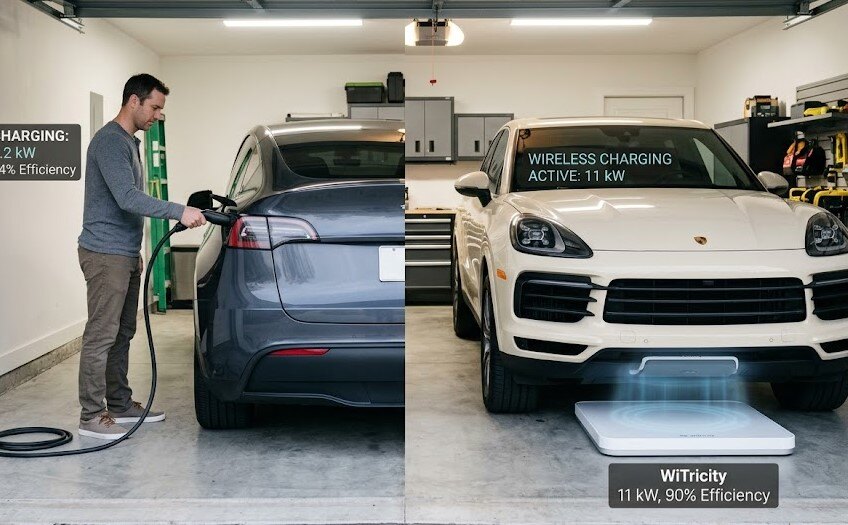
As the global electric vehicle (EV) fleet continues to grow rapidly, the choice of ev charging method has become a central concern for both vehicle owners and infrastructure operators. At present, there are two mainstream charging approaches: traditional plug-in charging and emerging wireless charging. For many consumers considering whether to adopt wireless charging, the most pressing question is efficiency—does wireless charging match the speed of plug-in charging, and does it waste more energy during transmission?
This article provides an objective, multi-dimensional comparison of the two ev charging methods, covering technical principles, real-world efficiency, cost of ownership, safety, and applicable use cases, helping readers form a clearer understanding.
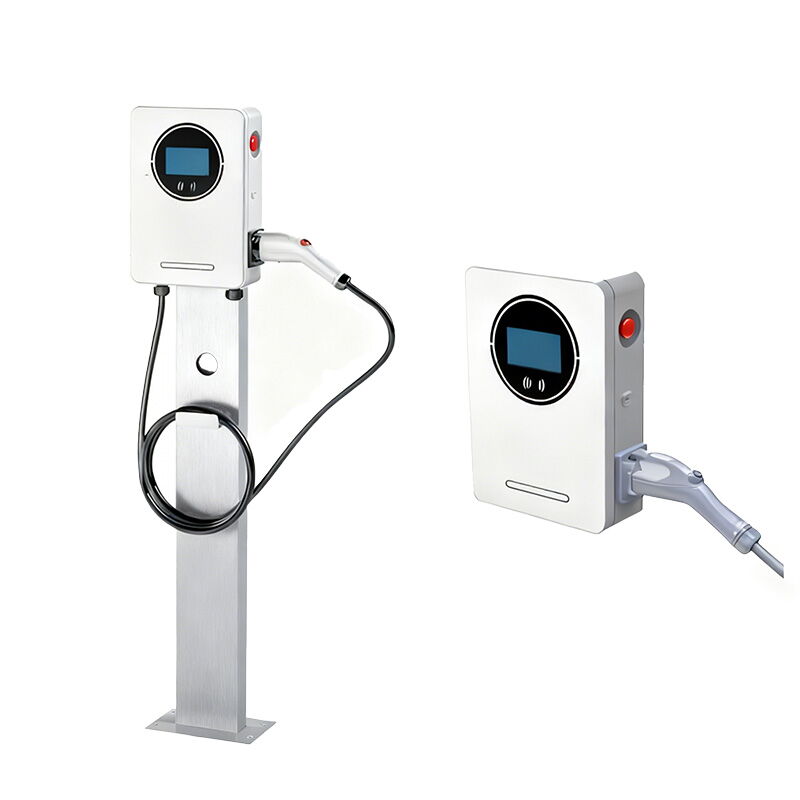
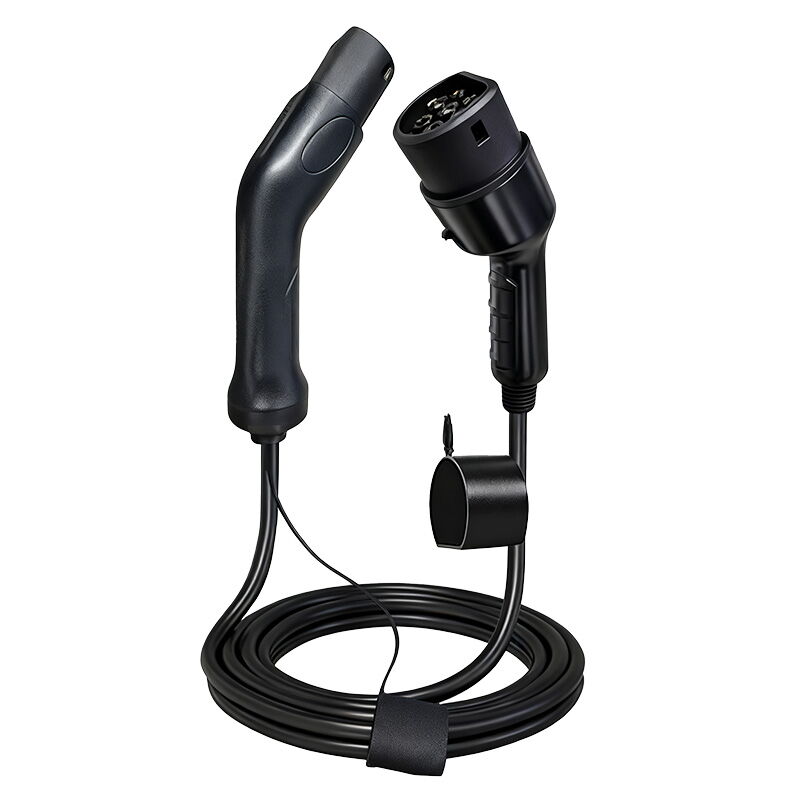
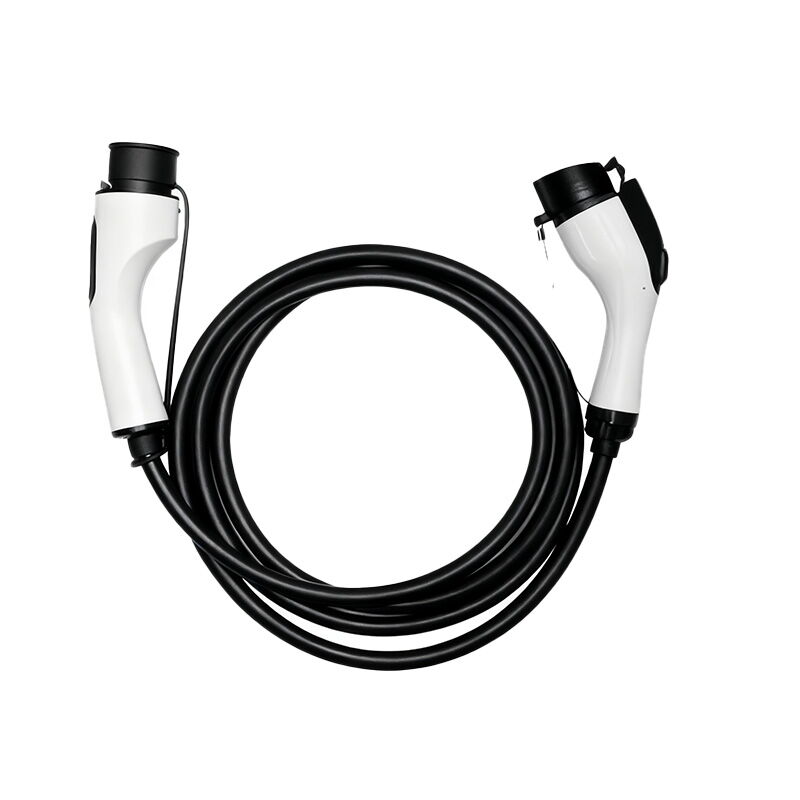
Plug-in charging is the most familiar EV charging method. It transfers electrical energy from the grid to the vehicle battery through a physical cable. During this process, electricity undergoes multiple conversion stages.
A typical Level 2 home charger delivers alternating current (AC), while EV batteries require direct current (DC) for storage. Therefore, vehicles must be equipped with an onboard charger (OBC) to perform this conversion.
The onboard charger includes several components such as rectifiers, power factor correction modules, inverters, and transformers. These components convert AC power into DC power suitable for battery storage.
Throughout this energy chain, from grid to battery, each stage introduces some energy loss, mainly in the form of heat. Different manufacturers and charger designs have varying efficiencies. Based on real-world testing, the overall grid-to-battery efficiency of common Level 2 home charging systems typically ranges from 83% to 94%, depending on design and performance.
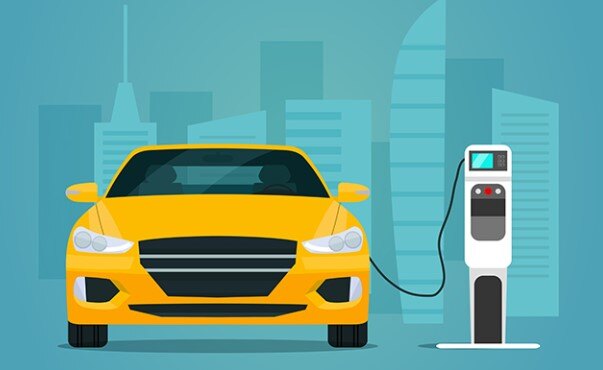
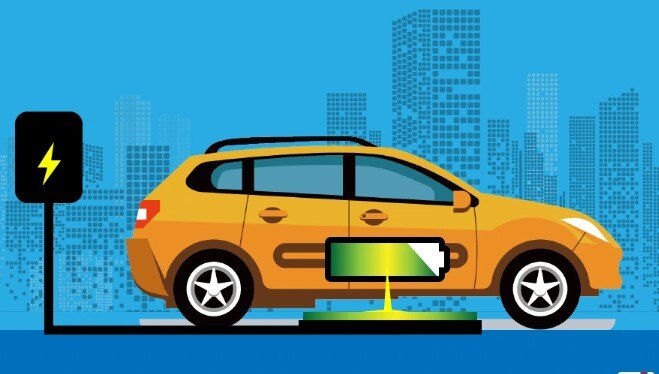
Wireless charging, also known as inductive charging, transfers energy through electromagnetic induction without physical cables or plugs. The system consists of a ground-based charging pad and a receiver coil installed under the vehicle.
When the vehicle is correctly positioned, the ground unit generates a controlled electromagnetic field. The receiver coil captures this energy and converts it into electricity, which is then used to charge the battery.
In this system, part of the energy conversion process traditionally handled inside the vehicle is moved to the ground unit, reducing onboard complexity.
Energy is transmitted through an air gap using magnetic resonance and low-loss resonant circuit design. From a safety perspective, this air gap functions similarly to an isolation transformer, ensuring electrical separation between the grid and the vehicle.
A common concern is whether wireless charging consumes more electricity than plug-in charging. To answer this, we must examine real-world energy losses rather than assumptions.
Plug-in charging is not 100% efficient. In addition to onboard conversion losses, cable resistance and connector contact resistance also contribute to energy loss.
In typical residential use, when using a 7 kW Level 2 charger, energy losses from grid to battery are generally 6% to 17%. This means that if 10 kWh is drawn from the grid, only about 8.3 to 9.4 kWh actually reaches the battery.
While this is already relatively efficient, there is still room for improvement.
Based on real-world testing across multiple EV models—including Genesis GV60, Tesla Model 3, Ford Mustang Mach-E, Ford E-Transit, Volkswagen ID.4, and Volkswagen ID.5—wireless charging efficiency is generally comparable to plug-in Level 2 charging.
Under optimized resonant system designs, overall wireless charging efficiency typically ranges from 88% to 93%, which is very close to conventional AC charging.
Current wireless charging power levels are generally between 3.3 kW and 7.4 kW, with some advanced systems reaching up to 11 kW for premium and commercial applications.
It is important to note that compared with DC fast charging, wireless systems are about 5% to 10% less efficient. However, wireless charging is not intended to replace fast charging, but rather to serve everyday parking and convenience charging needs.
Battery state of charge (SOC) significantly affects charging efficiency. Wireless charging is typically used when the battery is between 20% and 80% SOC, which is also the optimal operating range for battery health.
Charging within this range improves efficiency and extends battery lifespan.
In contrast, plug-in charging is often less consistent. Users may delay charging or perform irregular charging cycles (e.g., charging only once a week), which may reduce efficiency and negatively affect long-term battery health.
From this perspective, wireless charging’s “always-on” approach can help maintain more consistent and efficient charging behavior.
Wireless charging speed depends on usage context rather than raw power comparison with fast charging systems.
Most wireless charging systems operate between 3.3 kW and 7.4 kW, similar to Level 2 AC charging. Some newer systems reach 11 kW.
For a 60 kWh battery EV, charging from 20% to 80% using a 7 kW wireless system takes approximately 5 to 6 hours. At 11 kW, this can be reduced to 3 to 4 hours.
This is sufficient for overnight charging or workplace parking scenarios.
Wireless charging is not designed for highway fast charging. DC fast chargers typically range from 50 kW to 350 kW, allowing vehicles to charge in 20–30 minutes.
However, wireless charging is designed for convenience rather than speed. It focuses on “opportunity charging” during parking, where the vehicle remains stationary for extended periods.
When choosing a charging method, cost is an unavoidable consideration. Wireless charging and plug-in charging differ significantly in their cost structures: the former requires higher upfront investment but may offer lower long-term operating expenses, while the latter has a lower initial entry cost, but its ongoing maintenance and replacement costs should not be overlooked.
Wireless EV charging systems generally require higher upfront investment than plug-in chargers. This is due to ground installation work, infrastructure modification, and specialized hardware.
Industry estimates suggest wireless systems are 15% to 25% more expensive initially compared to plug-in systems.
The cost difference comes from ground charging pads, receiver modules, and civil engineering requirements.
Despite higher initial costs, wireless charging may reduce long-term operational expenses.
Advantages include:
No charging cable replacement
Reduced mechanical wear
Lower maintenance requirements
Improved resistance to vandalism and environmental damage
For fleet operators, reduced maintenance and potential battery life extension can significantly reduce total lifecycle costs.
Risks in Plug-in Charging: Plug-in systems present several risks: Electrical shock (rare but possible under damage or aging conditions); Trip hazards from exposed cables; Connector wear and tear due to repeated plugging/unplugging; Environmental degradation from rain, snow, and freezing conditions; Charging ports are also mechanical weak points that may degrade over time.
Safety Advantages of Wireless Charging: Wireless systems eliminate exposed cables, significantly reducing electrical and physical hazards. They are designed to comply with standards such as ICNIRP guidelines and technical standards like ISO 19363 and IEC 61980. Most systems include foreign object detection (FOD), which can detect metal objects in the charging area and automatically stop energy transfer to prevent overheating or fire risks.
Ease of Use: Wireless charging offers a major advantage in convenience. Drivers simply park their vehicle over a designated pad, and charging begins automatically. This eliminates daily plug-in and unplug steps, improving usability—especially in poor weather conditions, for elderly users, or for people with mobility limitations. It also prevents issues caused by forgetting to plug in the vehicle.
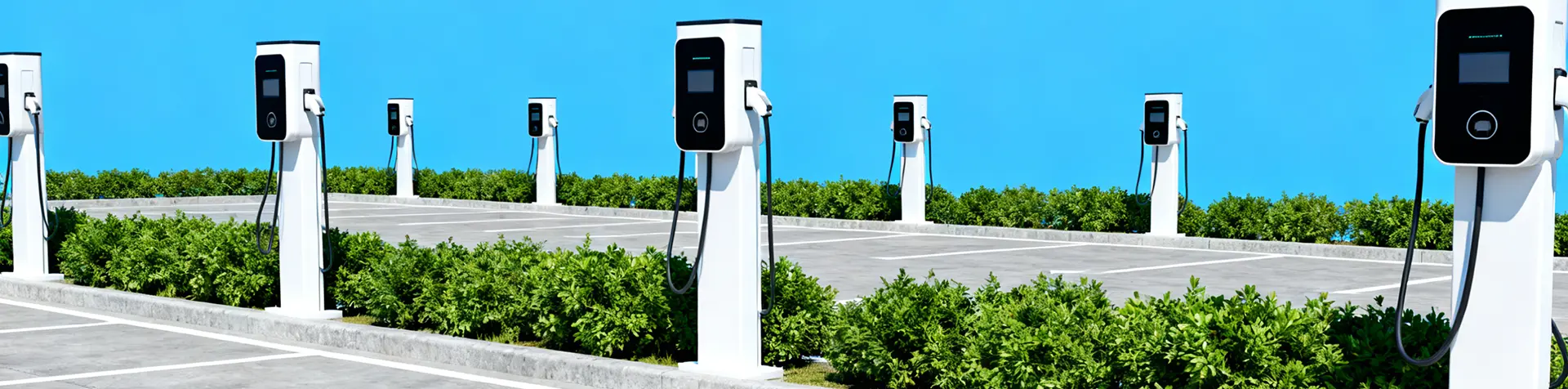
Improved Parking Environment: Without cables and visible hardware, parking areas appear cleaner and more modern. This is particularly beneficial in commercial environments such as hotels, shopping centers, and office buildings.
Wireless charging is not suitable for every use case. Its value is maximized in specific environments:
Ideal scenarios include:
- Residential garages
- Workplace parking lots
- Logistics fleet depots
- Hotels and retail parking areas
- Smart city transport hubs
These environments involve predictable parking patterns and long dwell times, making wireless charging highly efficient.
For Individual Users: If you have a fixed parking space and primarily charge at home, wireless charging can offer strong convenience benefits. However, if budget is limited or you frequently charge at different locations, plug-in charging remains more practical due to its widespread infrastructure.
For Commercial Operators: Fleet operators and property managers may benefit more from wireless charging in the long term due to reduced labor, lower maintenance, and improved operational efficiency.
Complementary Technologies: Wireless and plug-in charging are not competitors but complementary technologies. Plug-in charging will remain dominant due to low cost and infrastructure maturity, while wireless charging will serve niche, high-convenience environments.
Wireless EV charging is gradually transitioning from concept to practical application. Its efficiency, around 88% to 93%, is comparable to traditional Level 2 plug-in charging, meaning it does not suffer from excessive energy loss as commonly assumed.
Its key advantages lie in convenience, safety, and potential long-term operational savings. However, higher installation costs, limited power levels, and immature infrastructure still restrict large-scale adoption.
In the foreseeable future, wireless charging will not replace plug-in charging but will complement it in residential, commercial, and fleet environments, offering a more automated and seamless charging experience.
For consumers and industry participants, understanding the strengths and limitations of both systems is essential for making informed decisions in the evolving EV ecosystem.