Complete Guide to Installing Wall-Mounted EV Chargers
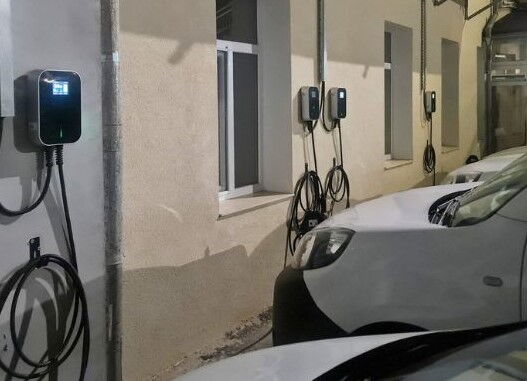
With the growing popularity of electric vehicles (EVs), the demand for wall-mounted EV chargers has increased. These chargers not only provide a convenient charging experience for owners but also significantly improve the operational efficiency of electric vehicles. However, installing a wall-mounted EV charger is not a simple task. It requires careful consideration of various factors, including location choice, electrical safety, device selection, installation, and ongoing maintenance. This article provides a detailed guide to help you navigate the entire installation process, ensuring smooth setup and effective usage.
- Prioritize Garage Environments: Wall-mounted EV chargers are typically installed in underground or semi-underground garages. Such environments make full use of available space without occupying excessive ground area, facilitating better management and use. Underground garages, being relatively enclosed, provide protection for the equipment and reduce exposure to harsh weather, thereby extending the lifespan of the charging station.
- Proximity to Parking Spaces: When selecting a specific location, prioritize walls close to parking spots. This minimizes the length of the charging cable, making it easier for vehicle owners to plug and unplug the charging gun, thus enhancing convenience. Shorter cables also reduce the risk of cable damage and improve safety.
- Dry, Ventilated & Wiring-Friendly: The installation site should be dry and well-ventilated. Humid environments can cause electrical devices to absorb moisture, affecting their performance and lifespan, and potentially leading to leakage or safety hazards. Ventilated areas help with heat dissipation, ensuring the charging station remains in good working condition during extended use. Additionally, easy access for wiring installation ensures a tidier setup and facilitates future maintenance and repairs.
- Wall Load-Bearing Requirements: The wall where the charging station is mounted must have sufficient load-bearing capacity, with a minimum thickness of 200mm. Charging stations carry weight and may experience external forces (such as slight vehicle impacts). A wall that cannot support the weight may cause the charging station to become loose or even fall off, leading to safety incidents. For lightweight materials like hollow bricks or gypsum boards, a metal backplate may be needed to enhance load-bearing capability.
- Optimal Installation Height: The charging station's centerline should be set at a moderate height, generally around 1.5 meters from the ground. This height is convenient for users to plug and unplug the charging gun while also preventing easy access by children, thus reducing the risk of accidental electric shocks. When installing multiple charging stations, maintaining a consistent height across units improves the overall appearance and orderliness.
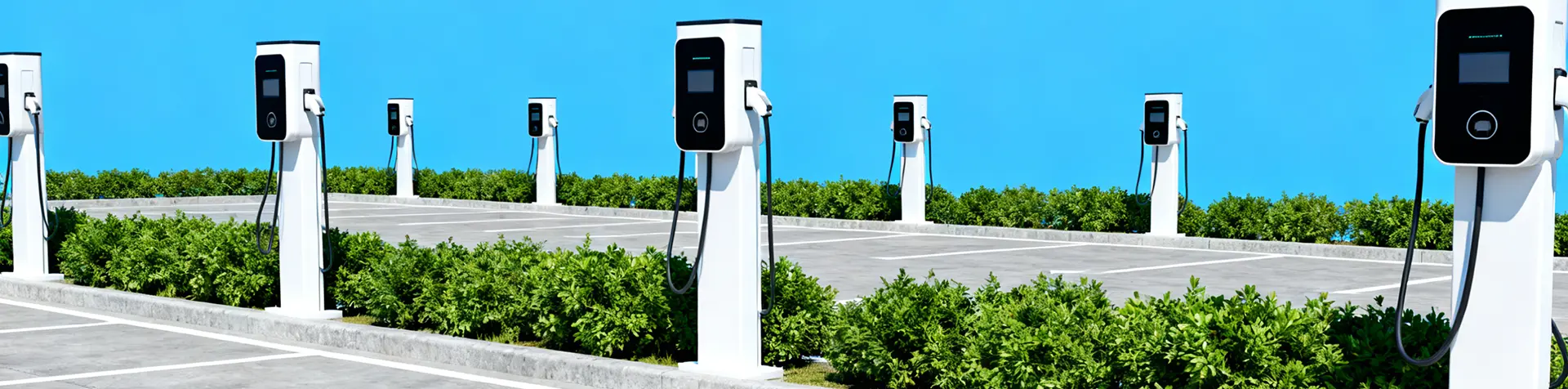
- Centralized Setup and Fire Safety Isolation: When multiple wall-mounted EV chargers are installed simultaneously, they should be grouped together. This facilitates easier management and maintenance. Grouping stations allows for shared infrastructure, such as distribution boxes and grounding systems, reducing costs. Fire safety isolation measures, such as using fire-resistant walls and doors, should be implemented to enhance security. These measures can help prevent fire spread during emergencies, protecting vehicles and other equipment.
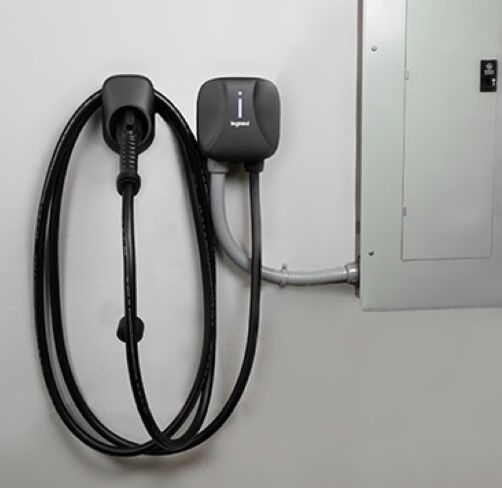
After determining the ideal installation location, it's time to focus on detailed planning. A well-thought-out plan ensures the safe, efficient, and convenient use of the charging station. Here are some key points to consider in the planning process.
Electrical safety is crucial in planning wall-mounted EV chargers. The low-voltage circuit breakers supplying power to the charging device should have short-circuit and residual current protection functions. These protections immediately disconnect the power supply during abnormal conditions, preventing electrical faults that could lead to fires or electrocution.
Wiring should be hidden and easy to maintain. Electrical cables should be housed in protective conduit, avoiding areas prone to damage (e.g., where vehicles may collide or areas prone to moisture). The wire gauge should match the power requirements of the charging station to ensure efficient and safe charging.
Clear signage or indicator lights should be placed near the charging station to help users identify its location and usage status. The signs should display the station's number, instructions for use, and safety precautions. Indicator lights should show the current status of the charging station (e.g., idle, charging, or malfunctioning), allowing users to easily determine whether the station is available and enhancing its operational efficiency.
- Parking Space Situation: Before installing a wall-mounted EV charger, ensure that you have a fixed parking space. Whether owned or rented, you should have the necessary documentation. If renting, get the owner's consent and prepare the rental agreement. Additionally, check the building's electrical capacity to ensure that the installation does not interfere with other users' daily electricity consumption. If the electrical capacity is insufficient, an upgrade may be required, which will involve consultation with the property management and power supply department.
- Property Management Communication: It is essential to consult the property management and get their approval before installation. This step is crucial, as property management may refuse the request due to concerns about fire safety or electrical capacity. Understanding the regulations, power usage, and installation space requirements in advance, and signing an installation agreement, will help streamline the process. Property management may ask for installation plans, safety assessments, and other documents to ensure compliance with building policies.
- Power Connection Assessment: Evaluate the feasibility of connecting to the power grid based on the distance between the parking space and the grid. If the distance is too long, additional cabling will be required, increasing the installation cost and complexity. After approval from the power department, a site survey will be conducted before installation begins. An application for a new or upgraded power meter should be submitted to ensure that the power supply and grounding systems meet the required standards.
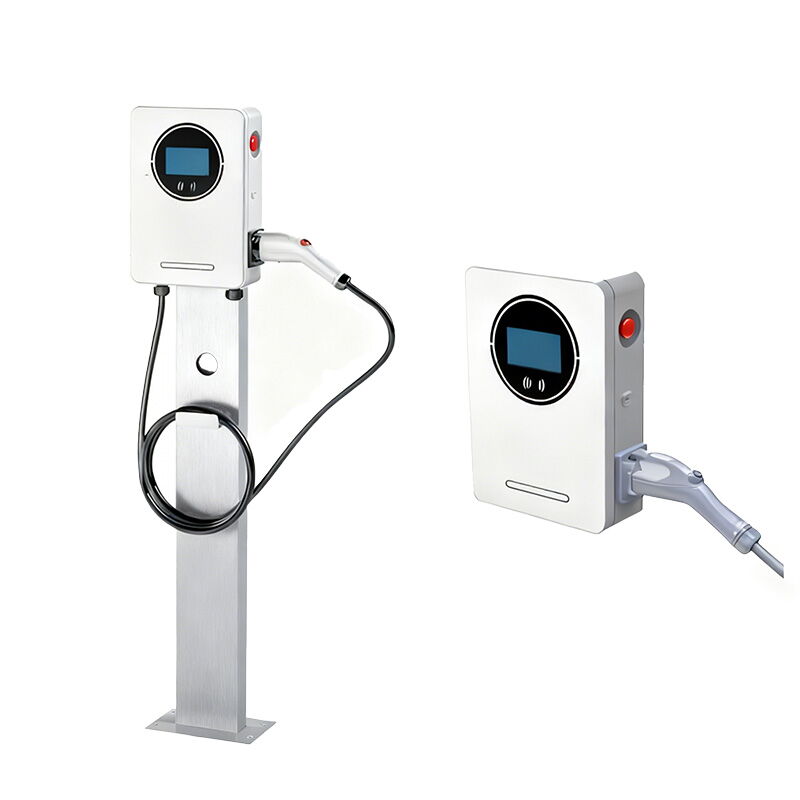
- Equipment Selection: Select a charging station model and power rating based on the vehicle type and charging needs. There are two main types of wall-mounted EV chargers: hard-wired and plug-in. Hard-wired chargers are more stable, suitable for fixed installations, while plug-in models are more portable and suited for use at various locations. Smart chargers are also a great choice, offering Wi-Fi capabilities for remote monitoring and operation through a mobile app.
- Safety Protections: Ensure that the charging station has over-current, overvoltage, under-voltage, leakage, and lightning protection features. These protections prevent damage to the vehicle battery or safety incidents under abnormal conditions. For instance, over-current protection automatically cuts the power supply when the charging current exceeds the rated value, preventing overcharging and damage. Leakage protection will cut the power when leakage is detected, ensuring user safety.
Once the installation location and initial plan are finalized, the installation phase begins. This is a crucial stage that directly affects the charging station's operation and safety.
Engage qualified professionals for the installation, including wiring, drilling, mounting, electrical connections, and commissioning. Skilled technicians will ensure compliance with electrical safety standards and manufacturer requirements, following the installation diagram and specifications to ensure secure and correct wiring.
- Wiring: Run the cables from the charging station location to the power source, using protective conduit. Avoid visible wiring that could be exposed to damage.
- Drilling and Mounting: Drill holes in the wall based on the charging station's dimensions, and install mounting brackets. Ensure the brackets are level and secure to prevent instability after installation.
- Charging Station Setup: Mount the charging station onto the bracket and connect it to the power supply. Ensure all wiring is correctly grounded and follow the manufacturer's wiring diagram to avoid safety issues.
- Commissioning: After installation, test the charging station’s functionality, checking the power indicator, plug compatibility, and charging functionality.
Once installation is complete, perform a final inspection to confirm that the installation meets all requirements. Check wiring, structural stability, and safety features. Once any issues are addressed, sign off on the installation and complete the process.
After installation, proper usage and regular maintenance are essential for ensuring long-term stable operation.
Power Indicator: Always check the power indicator before use to ensure the station is powered on.
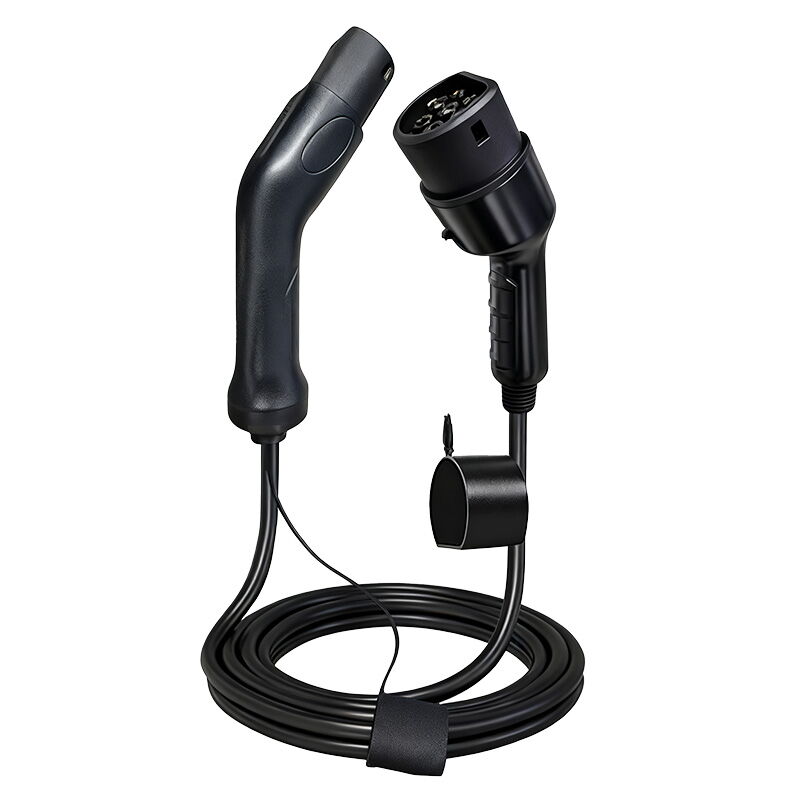
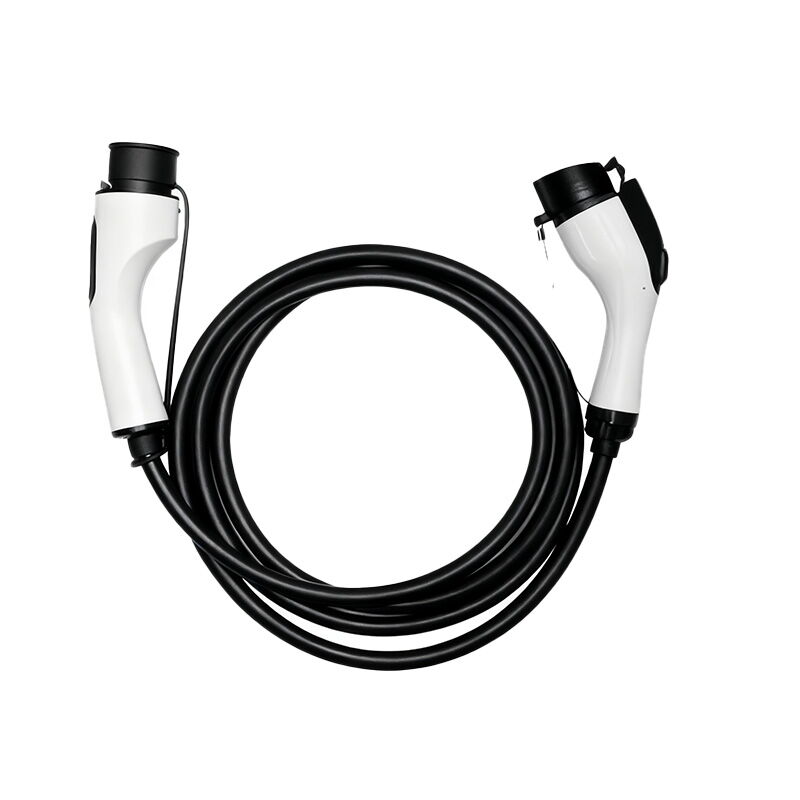
Charging Gun and Connection: Ensure the charging gun is properly connected to the vehicle and charging station, and check for dirt or water in the connectors.
Troubleshooting: If issues arise, check for loose connections, cable damage, or internal faults in the charging station.
Regular Cleaning: Clean the exterior of the charging station regularly, using a soft cloth. Avoid corrosive cleaning agents.
Internal Inspections: Periodically check the internal wiring for wear and tear, ensuring everything is in working order.
Firmware Updates: For smart chargers, update the firmware regularly to ensure optimal performance and security.
While installing a wall-mounted EV charger requires careful planning and attention to detail, following the correct steps ensures a smooth installation and reliable use. By selecting the right location, communicating effectively with property management and power supply departments, choosing the right equipment, and hiring professional installers, you can enjoy the convenience and benefits of a wall-mounted charging station. Proper usage and regular maintenance will keep the station functioning smoothly and safely for years to come.