Electrical Requirements for EV Charger Installation
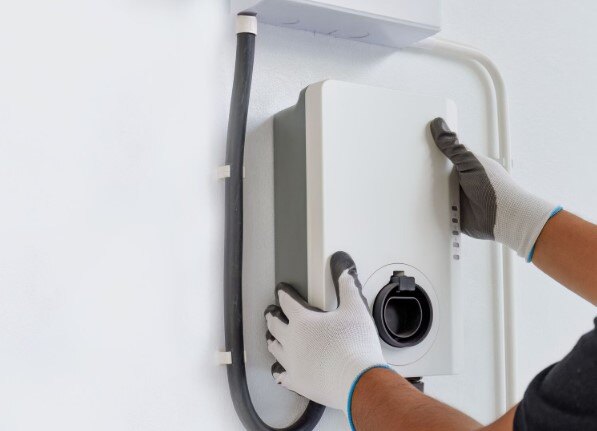
The electrification of transportation is transforming the automotive industry, with electric vehicles (EVs) becoming increasingly common on roads. As EV adoption grows, the demand for efficient and reliable charging infrastructure continues to rise. Understanding the electrical requirements for EV charger installation is not only essential for ensuring smooth charging performance, but also for building a sustainable and dependable transportation ecosystem. This article provides a comprehensive overview, from fundamental electrical concepts to detailed installation standards, helping vehicle owners, property managers, and industry professionals fully understand the technical requirements of EV charger deployment.
To install an EV charging station, it is first necessary to understand several basic electrical concepts. Although these principles may seem simple, they directly determine charging speed, safety, and equipment compatibility. This section explains how voltage and current affect charging efficiency and why evaluating a home’s electrical capacity is a critical step before installation.
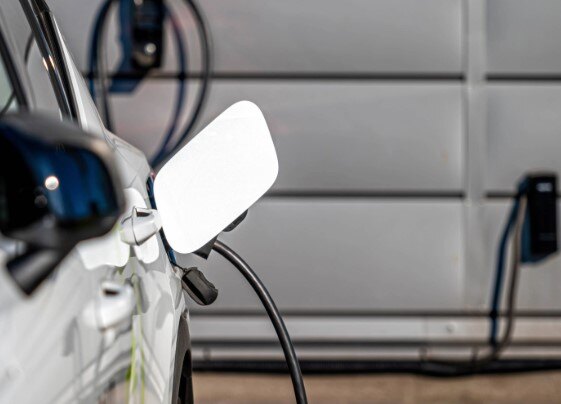
The core electrical requirements of EV chargers revolve around voltage and current. Voltage represents the electrical potential difference that drives energy flow, while current measures the rate of energy transfer. Together, these two factors determine charging speed and efficiency.
Level 1 chargers use a standard 120-volt household outlet and provide the slowest charging speed, primarily due to lower voltage and limited current capacity. This charging method is suitable for overnight charging or situations where fast charging is not required.
Level 2 chargers operate on a 240-volt circuit. Because both voltage and current capacity are higher, charging speed is significantly faster. In North America, most residential Level 2 charging installations require a dedicated double-pole circuit connected to a 208V or 240V supply system, similar to appliances like ovens or dryers. Typically, Level 2 charging can add approximately 20 to 25 miles of driving range per hour, making it far more efficient than Level 1 charging.
When installing an EV charger, the load capacity of the existing electrical system must be carefully evaluated. Most residential circuits are designed for everyday household appliances. Without proper assessment, adding an EV charger may cause overloads and safety risks.
For both Level 1 and Level 2 chargers, the circuit must be capable of handling additional load. If necessary, a dedicated circuit upgrade should be performed. This typically requires a licensed electrician to evaluate the electrical panel capacity and carry out modifications. Homes with older 100-amp panels may require panel upgrades before installing a Level 2 charger.
According to electrical codes, wiring and circuit breakers for continuous loads must be sized at no less than 125% of the rated output. For example, a 50-amp home charger typically requires a dedicated 70-amp circuit.
After understanding the electrical basics, the next step is selecting the appropriate charger type and installation method. Different installation approaches have distinct advantages, and compatibility with the vehicle directly affects charging performance. This section compares plug-in and hardwired installations and explains how to match charger output with onboard vehicle charging capability.
There are two main installation methods for EV chargers:
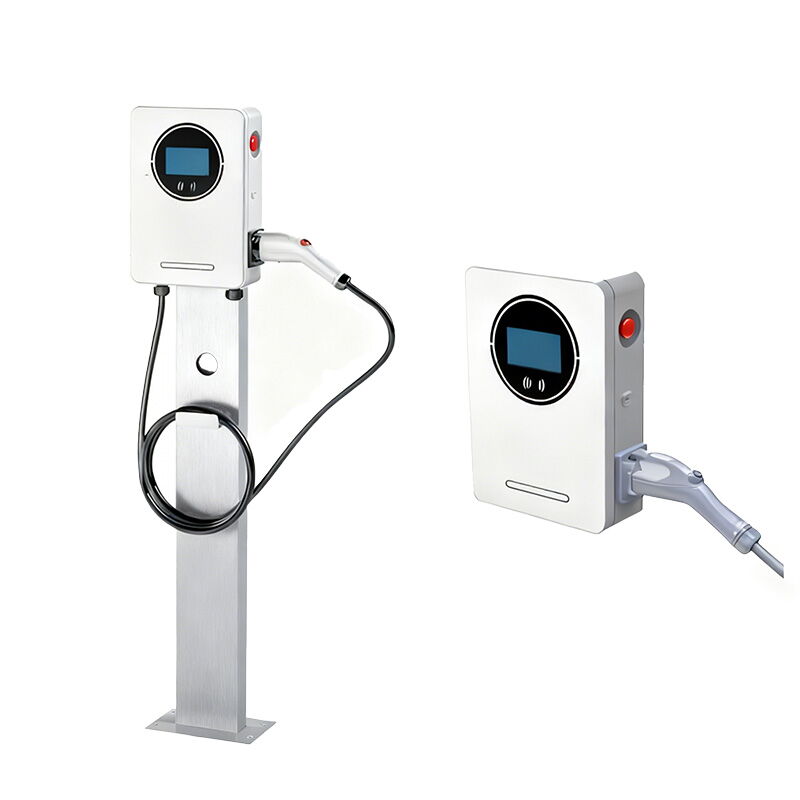
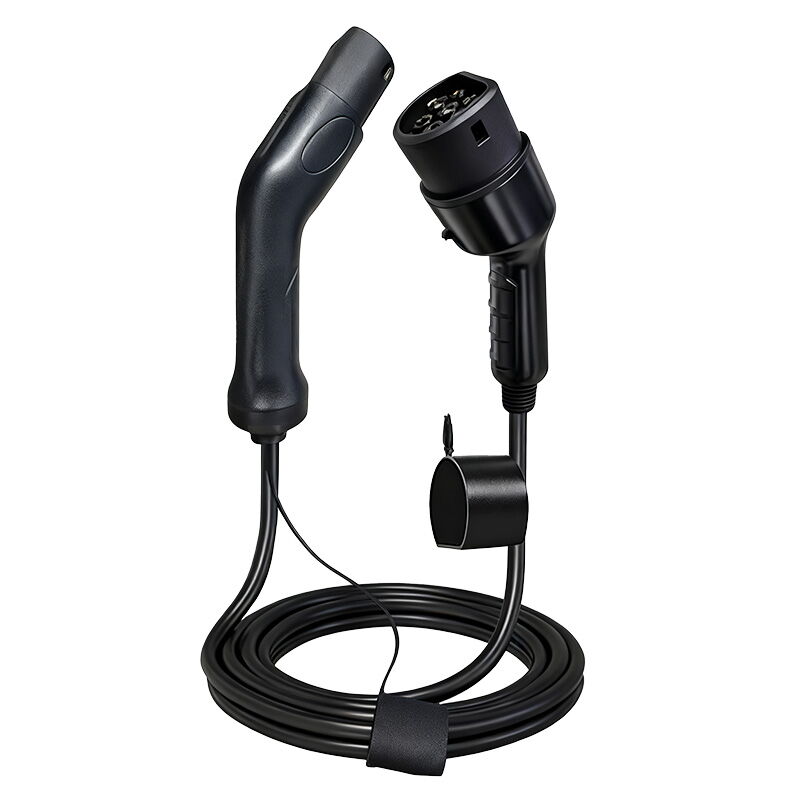
Plug-in installation connects via a socket, offering flexibility and ease of use. It is relatively simple to install and convenient to relocate or replace when needed.
Hardwired installation connects directly to the electrical panel, providing a cleaner appearance and more secure connection. However, it is more complex and typically requires professional installation. Hardwired systems generally offer greater long-term stability and are better suited for permanent installations.
When selecting an EV charger, compatibility with the vehicle’s onboard charger must be considered. Different EVs have different onboard charging capacities, which directly affect actual charging speed. Every electric vehicle includes an onboard charger that determines the maximum power it can accept.
For example, if a vehicle has a maximum charging capacity of 7 kW, connecting it to a 19.2 kW Level 2 charger will not increase charging speed beyond 7 kW. Therefore, charger output should be matched to the vehicle’s onboard charging capability to ensure efficiency and avoid unnecessary oversizing.
Level 1 and Level 2 charging are suitable for daily residential use. However, for commercial applications or scenarios requiring rapid energy replenishment, DC fast charging is a better solution. Due to significantly higher power levels, DC fast charging imposes entirely different electrical requirements. This section introduces its operating principles, power configurations, and the electrical infrastructure required for commercial and industrial deployment.
In AC charging systems, such as Level 1 and Level 2 chargers, alternating current (AC) is supplied to the vehicle. The onboard charger then converts AC into direct current (DC) for battery storage. In contrast, DC fast charging delivers direct current directly to the battery, significantly increasing charging speed.
DC fast charging systems require higher input power and typically rely on three-phase AC input. They must also be properly configured for supported DC voltage ranges; otherwise, performance may degrade or additional voltage conversion equipment may be required.
DC fast chargers typically range from 150 kW to 350 kW, although lower-power models also exist for scenarios where costly electrical upgrades are not feasible. Higher-power systems (such as 60 kW to 360 kW units) include various configurations: 60 kW, 120 kW, 160 kW, 180 kW, 200 kW, 240 kW, 300 kW, and 360 kW.
A 360 kW unit may support a DC output voltage range of 150–1000V, with a maximum current of up to 1200A. Installation typically requires a 480V three-phase power supply and a dedicated circuit rated at 600A or higher.
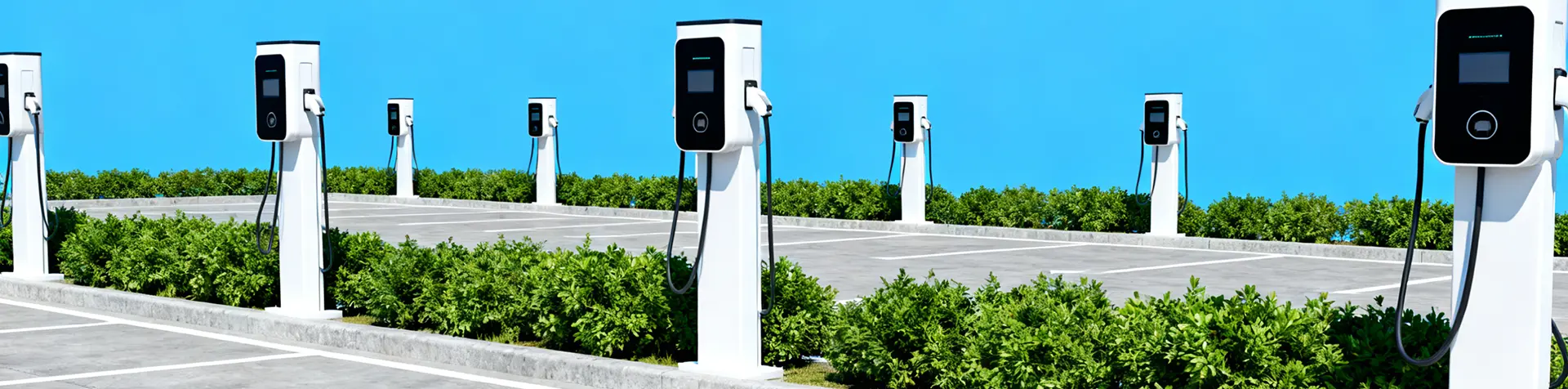
Most residential systems in the United States use single-phase power, which is suitable for Level 2 charging. Commercial and industrial facilities typically use three-phase systems to support higher-power equipment. However, even with three-phase power available, additional upgrades may still be required, especially when multiple DC fast chargers are deployed simultaneously.
EV charging installations may require new distribution panels or even transformers to handle total electrical load. In large industrial parks, battery energy storage systems (BESS) may also be introduced to store energy during off-peak hours and supply power during peak demand periods, reducing operating costs and improving grid efficiency.
Conductor Sizing: Proper selection of conductor size is critical. The cross-sectional area of a cable directly determines its current-carrying capacity. Undersized cables may overheat and lead to system failure. Therefore, cable sizing must follow the current specifications provided by the charger manufacturer. In commercial environments, supply voltage is typically 208V, though 240V systems may also be used. Level 2 chargers generally range from 6.2 kW to 19.2 kW and can charge EVs within several hours depending on current and battery capacity.
Grounding System Requirements: The grounding system is a critical component of EV charging installations. A properly designed grounding system safely directs abnormal current into the earth, preventing electric shock hazards and equipment damage. A dedicated grounding conductor must be installed and connected to a grounding rod or reliable grounding system. Proper wiring is essential, as incorrect installation may lead to fire hazards or electrical failures. Design and construction must consider circuit capacity, grounding methods, and compatible cable types, all of which must comply with relevant regulatory standards to ensure system reliability.
Importance of Professional Installation: Professional installers play an essential role throughout the installation process. Certified electricians ensure compliance with local codes and optimize system performance. Professional teams are familiar with various equipment requirements and follow standardized installation procedures. For homeowners, working with professionals simplifies the entire process. From site assessment and equipment selection to installation and commissioning, structured support improves efficiency and reduces risk.
Importance of Regular Maintenance: Regular maintenance inspections are essential for long-term safe operation. They help identify potential issues early and prevent more serious failures. As EV adoption increases, the demand for efficient charging solutions continues to grow. In addition to understanding local building codes, best practices during installation significantly influence long-term system performance and safety.
Understanding the electrical requirements of EV charger installation is fundamental to building a reliable and sustainable charging network. Voltage, current, circuit capacity, and compatibility all play critical roles in successful installation. From Level 1 residential charging to high-power DC fast charging, each system has specific electrical requirements and safety standards.
Whether for residential or commercial deployment, compliance with electrical codes, the use of professional installers, and regular maintenance are essential to ensure safe and reliable operation. As EV adoption continues to grow, these factors will increasingly shape the development of charging infrastructure and support a more efficient and interconnected electric mobility ecosystem.
For homeowners and property managers planning EV charger installation, it is recommended to first assess existing electrical capacity, consult a licensed electrician for professional evaluation, and select a charging solution based on actual needs. Through proper planning and standardized installation, a safe, efficient, and sustainable EV charging network can be achieved.