How to Charge EVs Using Renewable Energy
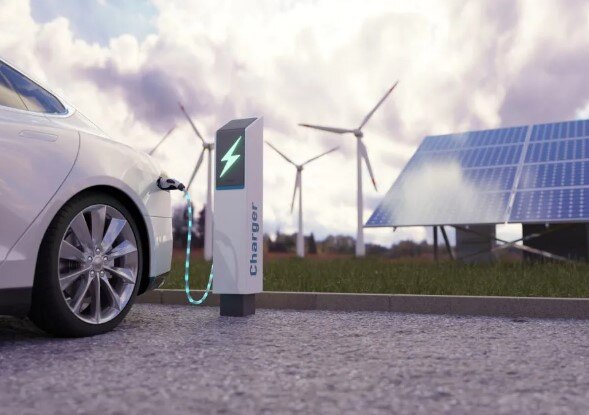
As the number of electric vehicles (EVs) continues to grow rapidly worldwide, the demand for robust, reliable, and efficient ev charging infrastructure is increasing at an unprecedented rate. Traditional charging methods rely primarily on the electricity grid. While convenient and widely accessible, grid-dependent charging faces several challenges, including high electricity costs, significant grid load, and elevated carbon emissions. In response to these challenges, integrating renewable energy sources, such as solar and wind power, into EV charging systems is emerging as a strategic solution for households, businesses, and public institutions. This integration offers multiple benefits: it reduces electricity costs, lowers carbon emissions, improves energy efficiency, and enhances energy security.
Using clean energy sources such as solar and wind for EV charging delivers clear economic, environmental, and operational benefits.
Installing solar panels or small wind turbines allows users to generate electricity directly from natural resources, reducing dependence on the grid. This is especially beneficial in regions with high electricity rates. Commercial facilities—like shopping centers, offices, and logistics hubs—can achieve significant cost savings by offsetting grid consumption and lowering monthly energy expenses.
On-site renewable energy generation gives users control over their power supply. During outages or price fluctuations, households and businesses with generation and storage systems can continue charging EVs uninterrupted. This autonomy is particularly valuable in areas with unstable grid infrastructure.
While EVs are greener than conventional vehicles, fossil-fuel-powered electricity still produces emissions. Charging with solar or wind further reduces greenhouse gases, supporting zero-emission goals and helping both individuals and organizations contribute to climate change mitigation.
Many governments offer subsidies, tax credits, net metering, and green loans to promote renewable energy and EV adoption. These incentives reduce upfront costs, shorten payback periods, and make investment in solar or wind-powered charging financially attractive for both businesses and households.
For companies, renewable energy investments demonstrate environmental commitment, attract eco-conscious customers, and boost brand reputation. Green initiatives strengthen corporate social responsibility (CSR) and provide a competitive edge in sustainability-focused markets.
Having established the benefits, the next step is exploring practical implementation methods. Currently, there are three main technological pathways: solar charging, wind charging, and hybrid systems combined with energy storage. Each method suits different geographic conditions, usage patterns, and infrastructure availability, allowing for tailored or combined solutions.
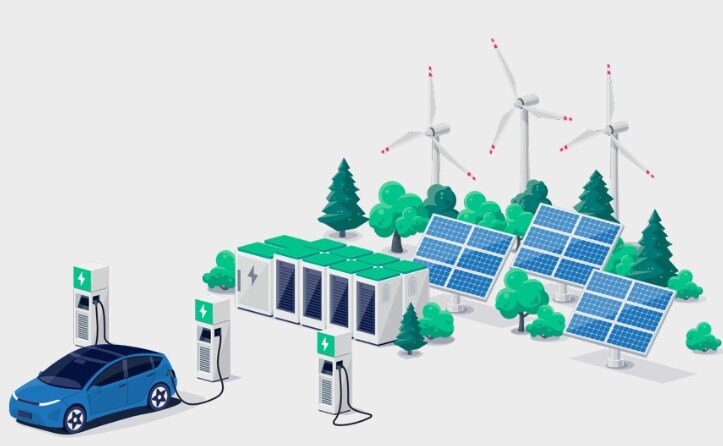
Solar power is the most widely adopted renewable energy source for EV charging. Depending on the site and use case, solar solutions can take several forms:
- Rooftop Solar Panels: This is the most common solution, particularly suitable for residential and commercial buildings. Solar panels installed on rooftops generate electricity to charge EVs parked nearby. This approach leverages existing infrastructure, minimizes additional land use, and efficiently converts solar energy into usable electricity for vehicles.
- Solar Carports: Combining parking shelters with solar generation, solar carports provide shade and protection for vehicles while simultaneously producing electricity. This design is ideal for shopping centers, hotels, office complexes, and public parking areas. It maximizes underutilized rooftop space, generating clean energy while serving practical vehicle protection functions.
- Off-Grid Solar Charging Stations: In remote or hard-to-reach locations, off-grid solar stations provide complete autonomy from the electrical grid. These systems rely entirely on solar energy and integrated storage batteries, making them suitable for rural areas, emergency backup applications, and locations where grid connection is difficult or expensive.
In regions with abundant and consistent wind resources, small wind turbines can supplement EV charging. Although less widely implemented than solar solutions, wind power can provide a stable electricity supply in coastal areas, plains, and high-altitude regions. When combined with solar power, wind energy helps ensure continuous electricity generation under varying weather conditions, enhancing reliability and reducing dependency on the grid.
Renewable energy sources are inherently intermittent: sunlight is unavailable at night, and wind patterns fluctuate. Energy storage systems, such as lithium-ion batteries, address these limitations. Residential users can install home storage solutions like Tesla Powerwall, while commercial facilities may deploy larger battery banks. These systems store excess energy generated during peak production hours and provide electricity for EV charging during periods of low renewable output, such as evenings or cloudy days.
Energy storage also offers economic advantages. High-power, rapid charging often incurs additional electricity demand charges for commercial users. By smoothing out peak demand, batteries reduce instantaneous load on the grid and help minimize electricity costs.
Optimizing renewable energy-powered EV charging requires advanced technology and intelligent integration with the electrical grid. Smart systems enable dynamic management of energy resources, enhancing efficiency and flexibility.
Smart charging systems adjust schedules in real-time based on electricity prices, renewable generation availability, and grid conditions. For example, when solar energy is abundant, charging prioritizes clean energy usage; during low-demand periods or off-peak pricing, the system can automatically initiate charging. Users can monitor charging status, time remaining, and costs via mobile apps or vehicle interfaces, enabling more efficient and cost-effective energy usage.
V2G technology allows EVs to serve as both energy consumers and providers. During peak electricity demand, EVs can feed stored energy back to the grid, helping balance supply and demand. Conversely, when renewable generation is low, EVs can draw from the grid as needed. Pilot V2G programs in countries such as the Netherlands and the UK demonstrate potential economic benefits for participants, who can earn revenue by selling energy back to the grid. Although challenges remain regarding battery degradation and charging speed, ongoing advancements in battery technology are expected to enhance V2G viability.
Smart grids monitor electricity demand and supply in real time, optimizing distribution and minimizing the risk of local overloads. By integrating EV charging stations into smart grids, operators can prioritize renewable energy usage, balance loads across multiple stations, and ensure reliable service without disrupting other users. Smart grid deployment in countries like Germany and the Netherlands enables coordinated scheduling, enhancing both efficiency and sustainability.
Renewable energy-powered EV charging solutions are versatile and can be tailored to different user types, each with distinct needs and opportunities.
Homeowners with garages or private parking can install rooftop solar panels and residential storage. Solar energy powers the home and charges batteries during the day, while stored energy charges EVs at night. Small-scale systems require moderate investment and typically pay for themselves within a few years, providing energy independence, reduced grid reliance, and long-term savings.
Shopping centers, office buildings, and hotels benefit from solar charging infrastructure by attracting EV owners and extending customer visits. Large roof areas allow for extensive solar installations, maximizing energy output. High commercial electricity rates make self-generated energy cost-effective, and solar carports can serve dozens to hundreds of vehicles while enhancing the property’s green image.
Transport and logistics companies can reduce energy costs and boost efficiency by installing dedicated solar or wind-powered charging stations. Fixed-route fleets, such as buses or delivery vehicles, benefit from onsite charging, ensuring operational readiness. Renewable charging supports sustainability goals, strengthens corporate green credentials, and enhances competitiveness in procurement or tenders.
Off-grid solar charging stations in urban areas and along highways address grid capacity constraints and can be deployed rapidly. Hybrid solar-wind stations enhance supply reliability, especially in coastal or high-altitude regions with abundant renewable resources, enabling fast and flexible expansion of public charging networks without major infrastructure upgrades.
A key consideration for renewable energy-powered EV charging is economic feasibility. Initial investment, payback periods, policy support, and technology evolution all influence adoption decisions.
Initial costs include solar panels, wind turbines, storage batteries, charging equipment, and installation labor. While upfront expenses are substantial, operating costs are minimal due to the absence of fuel requirements and low maintenance needs. Payback periods depend on electricity prices, solar or wind availability, subsidies, and EV usage frequency. Commercial solar charging systems in sunny, high-tariff areas often recover investments within 5–8 years. Residential systems may take slightly longer, but long EV lifespans and energy savings still make them economically attractive.
Government incentives, including installation subsidies, tax credits, net metering, and green financing, reduce barriers to adoption and accelerate market uptake. In Europe, renewable charging infrastructure is integrated into national EV promotion plans, providing financial and procedural support to facilitate project implementation.
Solar panel efficiency continues to rise, wind turbine reliability and efficiency improve, and battery storage costs have dropped significantly while capacity and lifespan increase. Smart charging systems and V2G technology allow EVs to contribute to grid stability, adding value beyond transportation. These technological advancements support the broader adoption of renewable energy-powered EV charging, making it an increasingly practical and cost-effective solution.
Integrating renewable energy with EV charging offers a practical solution to the challenges of transportation electrification. By lowering energy costs, reducing carbon emissions, and improving energy security, these systems deliver economic, environmental, and operational benefits. As technology advances and costs continue to fall, combined solar, wind, and storage solutions are moving from early adoption to mainstream deployment.
Households can achieve energy self-sufficiency, commercial properties can cut operating costs and attract customers, and public charging networks can expand coverage without straining the grid. Smart charging systems and grid-interactive technologies further enhance efficiency, flexibility, and reliability.
In the context of climate change and reducing fossil fuel dependence, developing renewable energy-powered charging infrastructure is essential for sustainable transportation. With careful planning and effective use of policy incentives, individuals, businesses, fleets, and public authorities can all reap tangible benefits from this energy transition.