EV Charging Cost Analysis: Home Charging vs. Public Charging
As electric vehicle technology continues to mature, more consumers are considering purchasing EVs. However, understanding the real ev charging cost is essential before making a purchase decision. This article provides a detailed data-driven analysis of electric vehicle usage costs under different charging scenarios, including a comparison between home charging and public charging, installation expenses, maintenance costs, and government incentive policies, helping you make the most economical ev charging choice.
- Basic Charging Cost Calculation: Home charging is widely recognized as the most cost-effective way to charge an electric vehicle. For example, assuming your EV is equipped with a 72kWh battery and the average residential electricity price in the United States is $0.18 per kWh, the cost to fully charge the vehicle at home is approximately $12.96 per session. Based on typical EV energy efficiency, one kilowatt-hour of electricity can support roughly 3 to 4 miles of driving range, meaning the electricity cost per mile is about $0.05. Considering the average annual driving distance in the United States is 13,489 miles, relying entirely on home charging would cost approximately $693 per year. In comparison, the annual fuel cost of a conventional gasoline vehicle usually ranges between $1,600 and $2,100. This simple comparison shows that EV owners can save between $900 and $1,400 annually on energy expenses alone.
- Saving More Through Time-of-Use Electricity Pricing: Many utility companies offer time-of-use (TOU) electricity pricing, providing EV owners with further opportunities to reduce charging costs. Typically, nighttime falls into off-peak hours when grid demand is lower and electricity prices are cheaper, averaging as low as $0.12 per kWh. If charging is scheduled during off-peak hours, the cost can be reduced by about one-third. For instance, charging 100kWh of electricity at the average price of $0.18 per kWh costs about $18. However, if off-peak pricing is fully utilized, the cost for the same amount of electricity may drop to around $12. Over the long term, this scheduling strategy can generate substantial savings for vehicle owners.
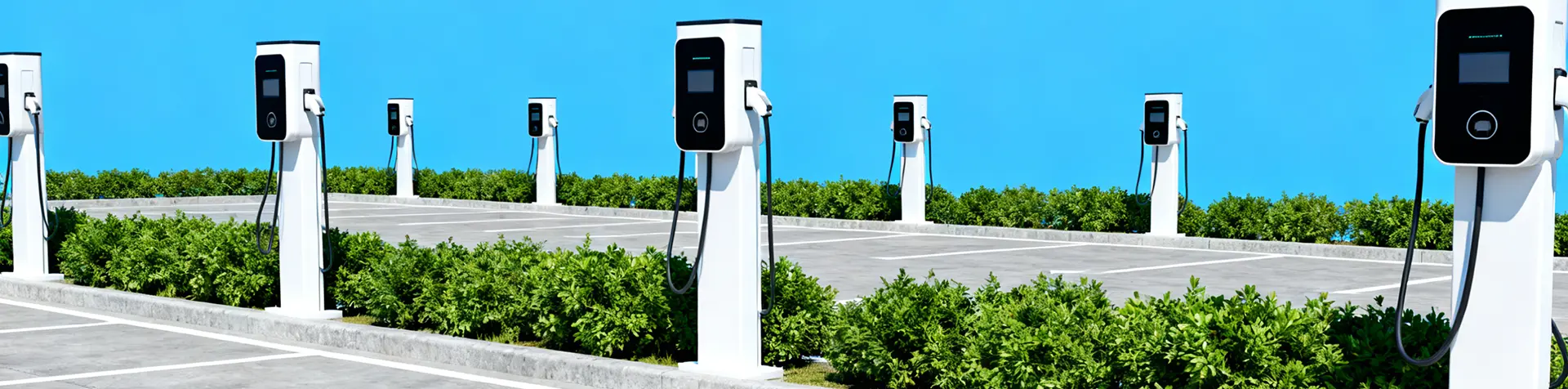
- Cost Comparison of Different Public Charging Methods: Public charging networks become necessary when home charging is unavailable or long-distance travel is required. However, public charging is significantly more expensive than home charging. Level 2 public charging is the most common public charging option, with an average electricity price of about $0.25 per kWh. For a 72kWh battery, a full charge would cost around $18, which is about $5 more than home charging. If Level 2 public charging is used exclusively throughout the year, the annual cost would reach approximately $964, nearly $300 more than home charging. DC fast charging is the most expensive charging method, with an average price as high as $0.47 per kWh. Using the same 72kWh battery as an example, a full charge would cost about $33.84, which is roughly 2.6 times the cost of home charging. If DC fast charging is the only charging method used for an annual driving distance of 13,489 miles, the charging cost could reach about $1,811, approaching the fuel cost of gasoline vehicles.
- Cost Structure of Public Charging: Public charging stations often have more complex pricing structures than home charging. In addition to per-kWh billing, some networks may charge by charging duration or impose a session fee. DC fast charging typically costs between 30 and 50 cents per kWh and may include additional connection or idle fees. Pricing strategies also vary across charging networks. Some operators adopt membership subscription models, allowing high-frequency users to reduce per-session charging costs through monthly or annual plans. Therefore, if you frequently rely on public charging, exploring membership programs may help reduce expenses.
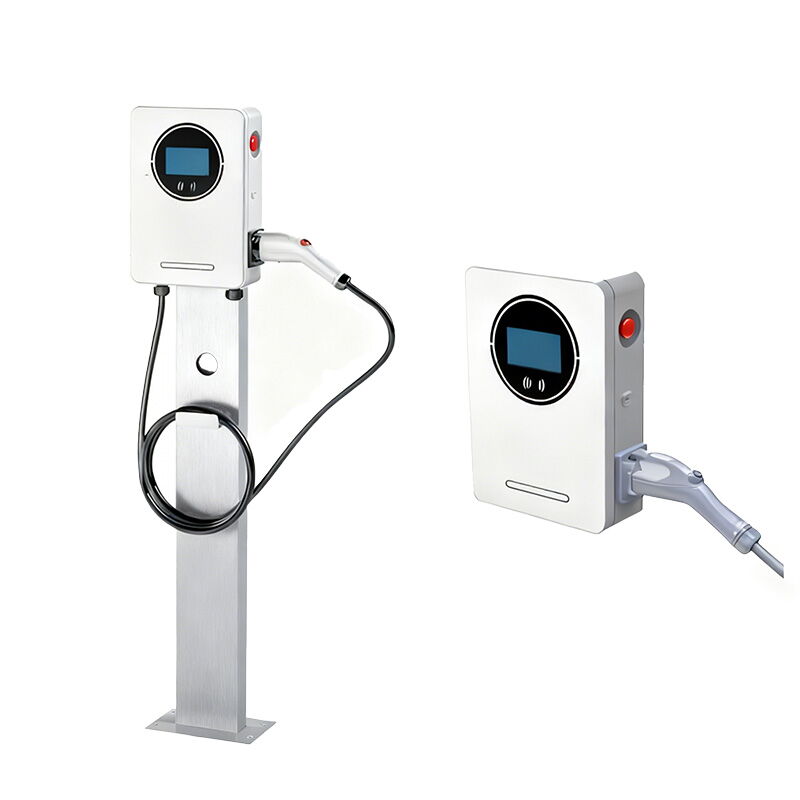
- Initial Investment: Although home charging has low operating costs, establishing home charging infrastructure requires an upfront investment. Most EV owners choose Level 2 charging stations, which offer faster charging speeds and can complete charging within 4 to 10 hours, making them suitable for overnight charging. The installation cost of a charging station starts at approximately $799. However, if the residential electrical system requires upgrades, the total cost may exceed $3,000. The exact cost depends on the condition of the existing electrical infrastructure, the distance between the charger and the breaker panel, and local electrician service rates.
- Tax Credits and Subsidy Programs: Fortunately, governments and utility companies offer various incentives to reduce installation costs. The U.S. federal government currently provides a 30% tax credit for charging infrastructure, which is valid until June 30, 2026. This means that if you spend $1,000 installing a charging station, you may receive a $300 tax credit. In addition, many state governments, municipal authorities, and utility companies offer additional rebate programs. For example, in the Chicago and Northwest Indiana regions, users can significantly reduce charging costs through local utility time-of-use pricing plans and regional subsidy programs. It is recommended that you consult a licensed electrician before installation and check the specific subsidy policies in your region to maximize initial investment savings.
After understanding the cost differences between home charging and public charging, installation expenses, and long-term maintenance costs, many vehicle owners may ask how to apply these numbers to real-life decisions.
In reality, there is no universal charging strategy suitable for everyone. A suburban commuter with a private garage faces a completely different charging scenario compared to a business traveler living in an urban apartment and frequently traveling across states.
Choosing the optimal charging strategy requires consideration of multiple factors.
First, evaluate your daily commuting distance. If your daily driving distance is around 36 miles, most electric vehicles can easily meet this requirement, and home charging is usually sufficient. In fact, about 80% of EV owners primarily charge at home, demonstrating the practicality and economic advantages of home charging.
Second, consider whether you have access to private parking space. If you have a fixed parking space and can install a charging station, home charging is undoubtedly the best option. If home charging is not feasible, combining workplace charging with public DC fast charging can help balance cost and convenience.
While home charging is suitable for daily use, public charging networks provide essential range support for long-distance travel or emergencies.
Although DC fast charging is more expensive, it can replenish a large amount of battery energy within 30 minutes to one hour, offering efficiency that home charging cannot match.
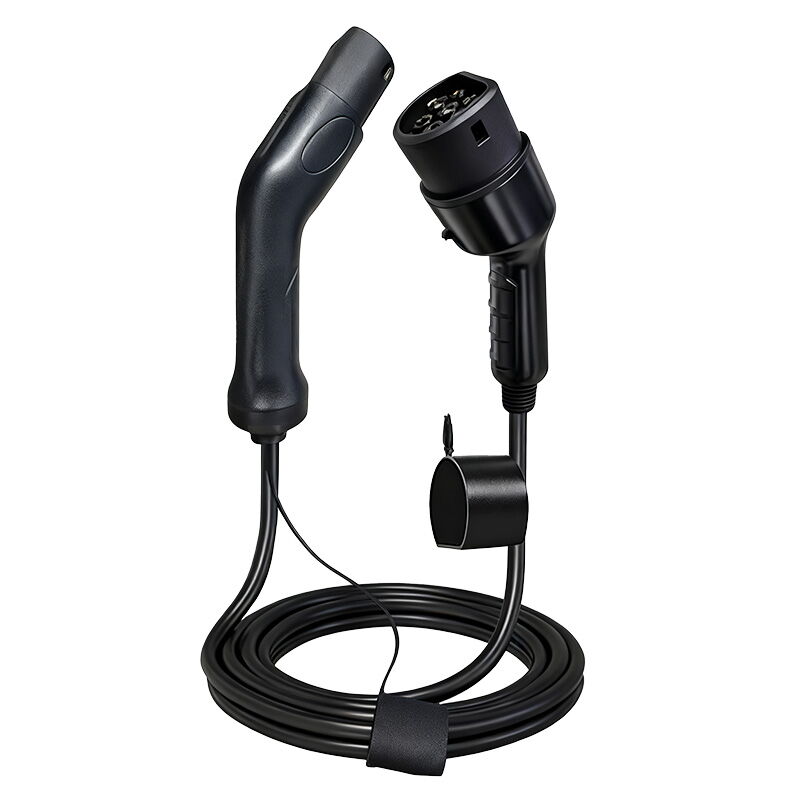
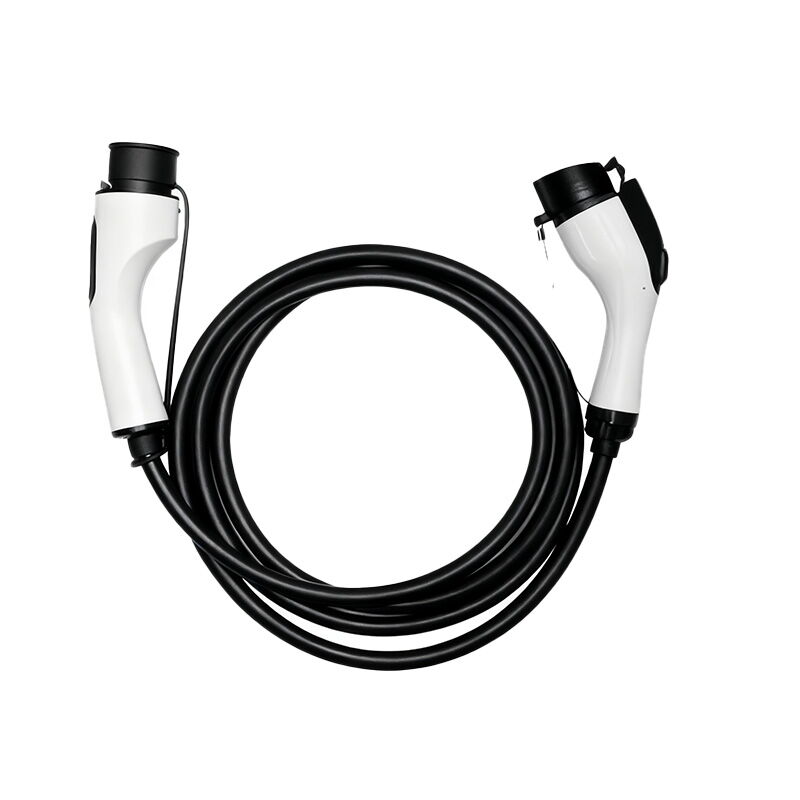
When planning long-distance trips, EV owners are advised to check charging station locations along the route using navigation software or charging applications, confirm connector compatibility (such as CCS, J1772, or NACS standards), and prepare backup charging locations. Understanding the pricing structures and membership plans of different charging networks can also help control costs when necessary.
Several practical strategies can improve the public charging experience.
First, charging stations may be crowded during peak hours, so it is advisable to charge during off-peak periods.
Second, some charging equipment may malfunction. Checking real-time equipment status in charging apps before departure can help avoid unnecessary trips.
In addition, observing charging etiquette is important. Once charging is complete, move the vehicle promptly to avoid idle fees and allow others to use the charger. Some networks impose additional charges for overstaying, so setting a charging completion reminder is a good habit.
The total cost of electric vehicle ownership is also influenced by government incentives at various levels.
Many U.S. states, local governments, and utility providers offer programs to promote EV adoption, including purchase tax credits, charging infrastructure subsidies, and electricity discounts.
These policies not only reduce the initial vehicle purchase cost but also continue to lower operating expenses during vehicle use. For example, some regions offer special electricity pricing plans for EVs or provide discounts for public charging networks.
Taking full advantage of these policies can further narrow the cost gap between electric vehicles and gasoline vehicles, and in some cases, make EVs more economical than conventional vehicles.
Overall, home charging is undoubtedly the most economical charging method for electric vehicles, with a cost as low as $0.05 per mile and an annual expense of about $693, allowing significant fuel savings compared to gasoline vehicles.
Although installing a charging station requires upfront investment, federal tax credits, local subsidy policies, and long-term operational savings usually allow the investment to be recovered within a few years.
Public charging, while more expensive, provides essential convenience in specific scenarios. The ideal charging strategy is to prioritize home charging and supplement it with public charging, adjusting flexibly according to individual driving habits, living conditions, and travel needs.
From the perspective of total cost of ownership, considering energy expenses, maintenance costs, and government incentives, electric vehicles are generally more economical than gasoline vehicles in the long term. As charging infrastructure continues to improve and battery technology advances, the cost advantage of electric vehicles will likely expand further. For consumers considering purchasing an electric vehicle, understanding these cost details and developing a rational charging strategy will help maximize the economic benefits of electric mobility.