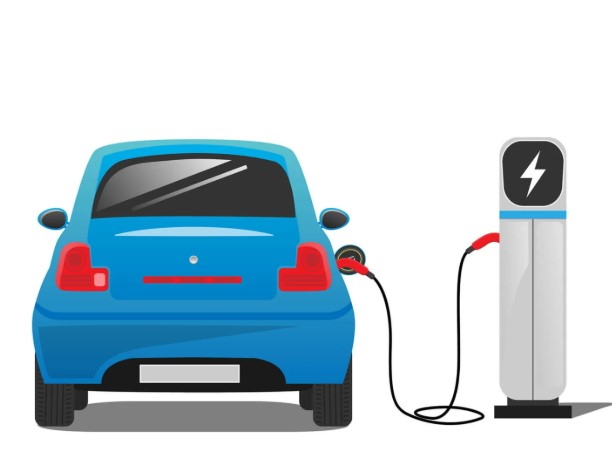
If you own a battery electric vehicle (EV), you may have experienced this frustrating situation: you start charging at the same station as another driver, yet they unplug and leave while your car is still slowly charging. Or perhaps you are using a fast ev charger, but while someone else reaches over 100 kW, your vehicle only draws a few dozen kilowatts. If it is supposed to be “fast charging,” why does it sometimes feel slow?
The answer is not simple. EV charging speed is influenced by multiple factors, including the charging station, the vehicle itself, battery condition, and ambient temperature. Let's break these down in detail to help you fully understand what affects EV charging performance.
To understand charging speed, start with a simple formula:
The higher the voltage and current supplied by the charger, the greater the power—and the shorter the charging time.
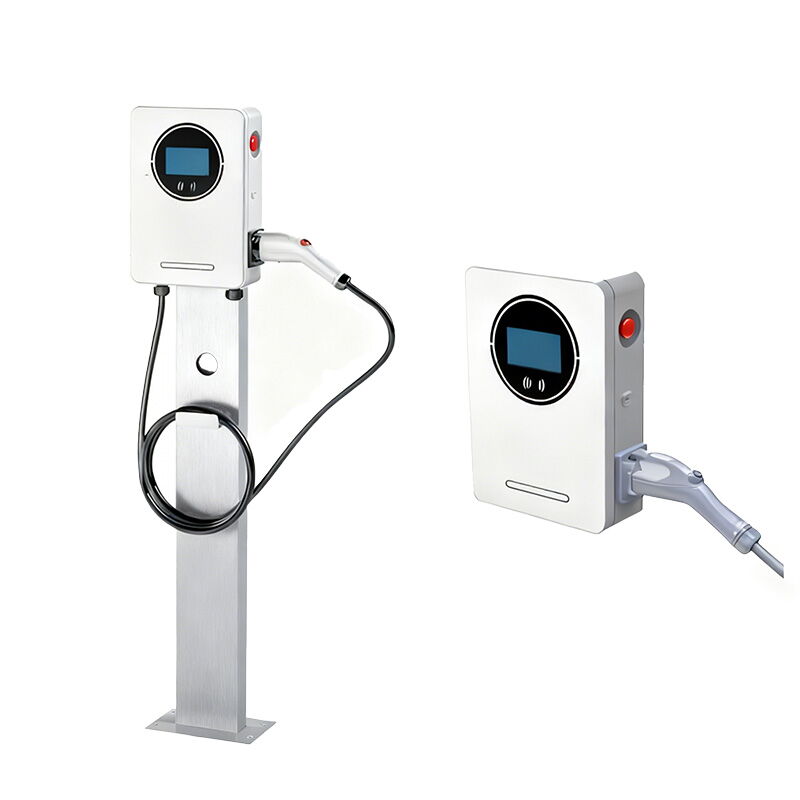
Today's charging stations generally fall into two categories:
Early EVs had battery capacities of around 20 kWh, making a 10 kW DC charger considered fast. Today, with mainstream batteries reaching 70 kWh (about 500 km of range), 10 kW is effectively slow charging, requiring 7–8 hours for a full charge. As a result, charger power has steadily increased, with common fast chargers now delivering 60–120 kW and ultra-fast models exceeding 250 kW.
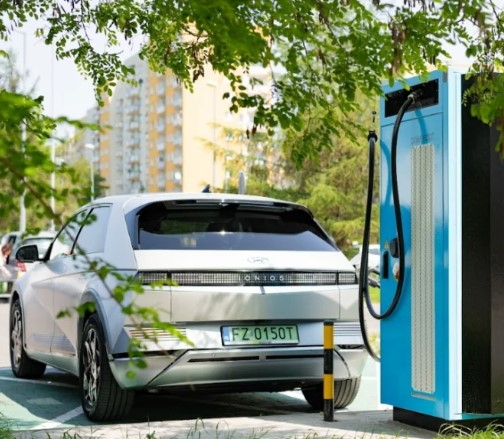
Even when using a fast charger, real-world speeds may fall short of expectations. Two core factors explain this.
Many people assume the charging station dictates the speed, but in reality, the vehicle is the decision-maker while the charger responds passively.
Charging speed is not constant—it typically follows a slow–fast–slow curve:
Battery health (State of Health, or SOH) also matters. As batteries age, internal resistance rises, prompting the BMS to reduce peak charging power. A three-year-old EV may therefore charge noticeably slower than a new one.
Batteries are extremely sensitive to temperature, making it a major cause of charging fluctuations.
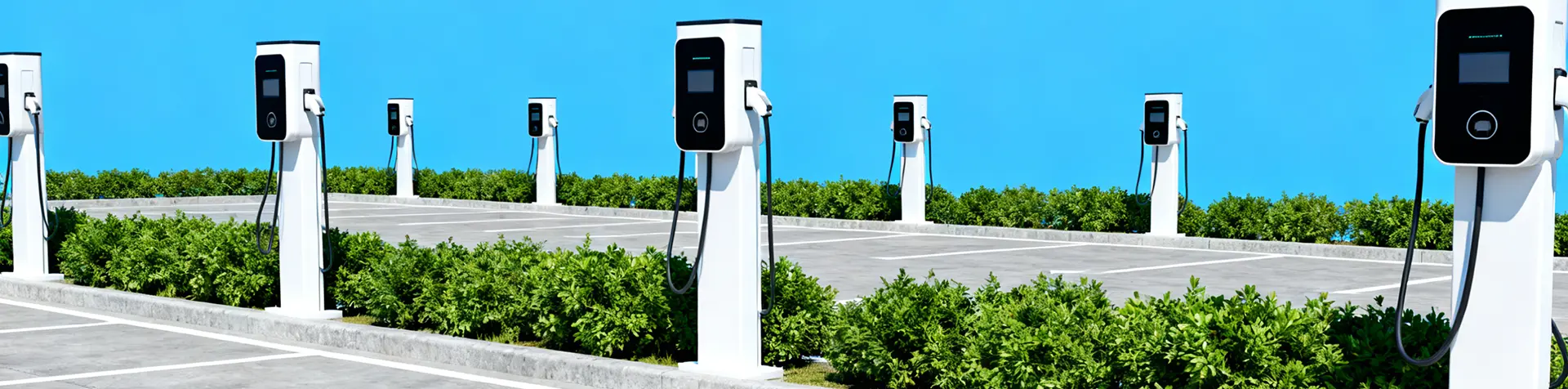
Beyond the vehicle, charging stations themselves vary significantly.
Why are AC chargers small and consistent, while DC fast chargers are large and variable? The answer lies in their operating principles.
This explains why:
At a technical level, cathode materials fundamentally influence charging speed.
Lithium-Ion Diffusion Rate: Charging involves lithium ions leaving the anode, crossing the separator and electrolyte, and embedding into the cathode. Diffusion speed sets the upper limit for charging performance.
Material Differences: Lithium Iron Phosphate (LFP): Lower cost and long lifespan but weaker low-temperature performance. At 0°C, capacity drops to about 60–70%, and at –20°C it may fall to 20–40%.
Ternary Lithium (NCM/NCA): Higher energy density and faster charging, making it the preferred choice for many fast-charging vehicles.
Charge Rate (C-rate):
Most modern lithium batteries support 1C–3C charging, with high-end models reaching 5C—still lower than discharge rates that can exceed 10C.
Design Trade-Off: While higher current can theoretically accelerate charging, excessive current causes lithium-ion diffusion to lag behind electron transfer, leading to internal stress, capacity loss, and even thermal runaway. Fast charging therefore requires balancing speed, lifespan, and safety.
To improve your charging experience, consider these recommendations:
Daily commuting does not require a full charge—80%–90% saves time and protects the battery.
Avoid letting charge drop below 10% frequently; repeated deep discharge harms battery health.
On long trips, plan charging within the 20%–80% range to bypass the slow final stage.
In winter, drive briefly before charging if possible to warm the battery.
In summer, avoid fast charging immediately after prolonged sun exposure; park in shade or allow the battery to cool first.
In extremely cold regions, prioritize vehicles with battery heating features.
Know your vehicle's maximum charging power and select compatible fast chargers.
Favor newer stations with higher power capacity.
Avoid peak hours when multiple vehicles may split available power.
Use slow charging for routine needs and fast charging primarily when necessary to extend battery life.
Monitor battery health (SOH) and adjust expectations as the vehicle ages.
EV charging speed is a complex systems challenge involving charger power, vehicle design, battery condition, environmental temperature, and grid load. Once you understand these principles, it becomes clear why “fast charging” is not always fast, and how to plan smarter charging strategies.
In simple terms: the charger sets the theoretical ceiling, the vehicle determines the actual rate, the battery state controls the moment-to-moment speed, and the environment governs stability. Only when all four align can truly efficient charging be achieved.
As technology advances, charging experiences will continue to improve. For drivers, understanding your vehicle, choosing the right charger, and adopting scientific charging habits are the keys to getting the best performance from today's EVs.