Banner

News

Electric vehicles are becoming more popular, and charging them is a big part of the change. From fast chargers on the road to home chargers, new ways to power EVs are appearing every day. This column shares the latest news, trends, and updates about EV charging, helping readers understand how the future of driving is changing.

13-24 of 87 results
Level 2 vs. Level 3 EV Charging: Which One Is You Choice

Level 2 vs. Level 3 EV Charging: Which One Is You Choice

May 11, 2026
21
This article provides a comprehensive comparison of Level 2 and Level 3 electric vehicle charging, focusing on key differences in charging speed, installation requirements, cost, and real-world applications. It explains how Level 2 charging serves as a practical and economical solution for daily home and workplace use, while Level 3 charging delivers ultra-fast DC power for long-distance travel and high-demand scenarios. By analyzing performance, infrastructure needs, and usage scenarios, the article helps readers understand how to choose the most suitable EV charging solution or combine both for maximum efficiency and convenience.
A Complete Guide to EV Charging Connector Types

A Complete Guide to EV Charging Connector Types

May 09, 2026
27
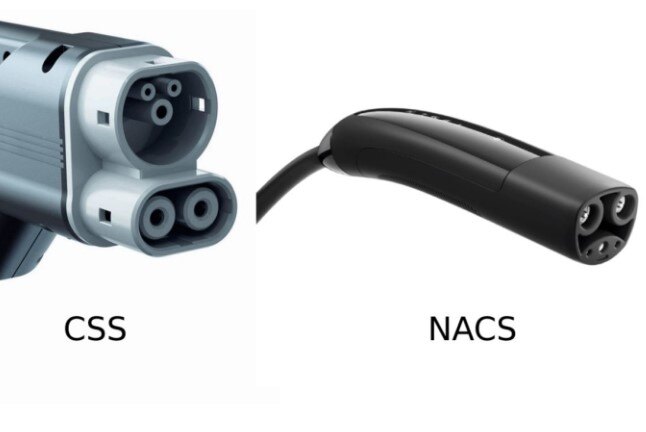
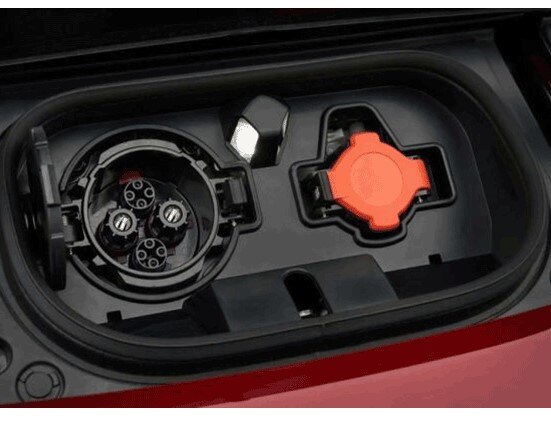
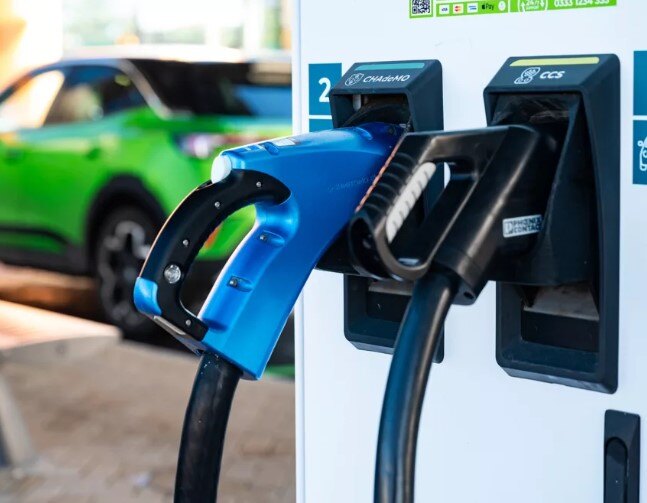
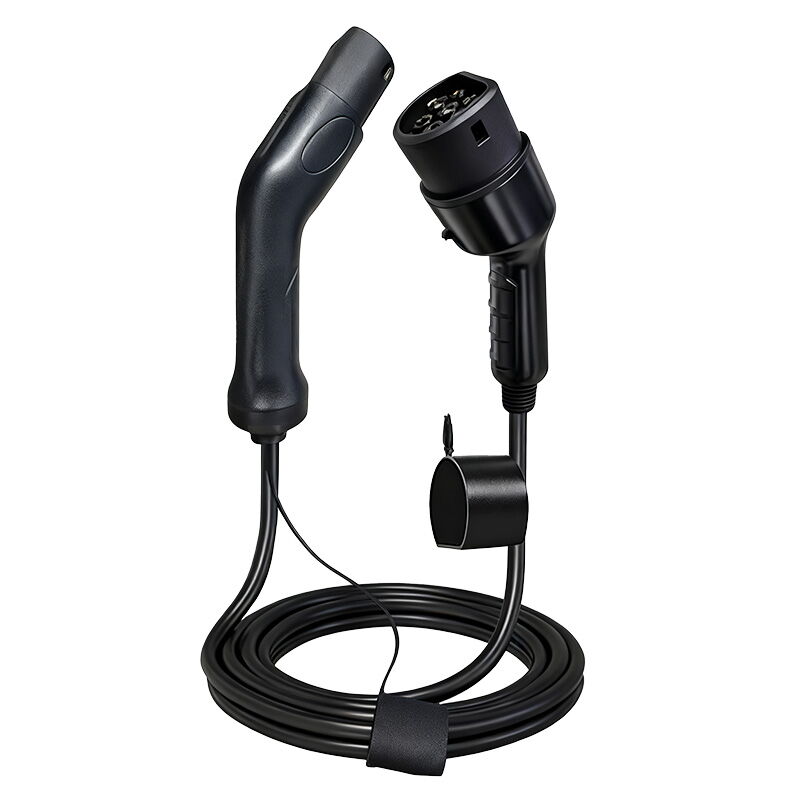
This guide provides a complete overview of EV charging connectors, detailing seven major types—Type 1, Type 2, CCS1, CCS2, CHAdeMO, GB/T, and NACS—along with their regional usage, power capacities, and compatibility. It explains AC versus DC charging, outlines Level 1 to Level 3 charging speeds, and offers practical advice on selecting the right connector based on vehicle type, charging environment, and travel needs. Additionally, it covers safety features, adapter use, and maintenance tips, helping EV owners and prospective buyers optimize charging efficiency, convenience, and battery longevity.
OCPP vs. Modbus: Choosing the Right EV Charging Protocol

OCPP vs. Modbus: Choosing the Right EV Charging Protocol

May 06, 2026
24
This article compares OCPP and Modbus, two key communication protocols for electric vehicle charging stations. It examines their technical features, communication methods, interoperability, and suitability for different site types, highlighting OCPP’s strengths in remote management and cross-vendor compatibility and Modbus’s advantages in local control and energy device integration. The article also discusses hybrid solutions, practical applications, and current trends, providing operators with a comprehensive guide to selecting the most effective protocol for their charging infrastructure.
EV Charging or Gasoline Car Refueling: Cost Analysis

EV Charging or Gasoline Car Refueling: Cost Analysis

Apr 30, 2026
19
This article provides a comprehensive comparison between electric vehicles (EVs) and gasoline-powered cars, focusing on key factors such as charging and fuel costs, maintenance expenses, purchase price, and long-term ownership savings. It analyzes real-world energy consumption differences, regional electricity pricing, charging methods, and infrastructure availability to explain why EVs generally offer lower operating costs. The discussion also covers maintenance advantages, battery replacement considerations, and environmental benefits, highlighting how EVs reduce emissions and dependence on fossil fuels. By examining cost per mile and lifetime expenses, the article helps readers understand the true economic impact of both vehicle types and make informed decisions based on their driving needs, budget, and sustainability goals.
Networked EV Charger vs. Non-Networked EV Chargers

Networked EV Charger vs. Non-Networked EV Chargers

Apr 27, 2026
31
This article provides a comprehensive comparison between networked and non-networked EV chargers, highlighting their key differences in cost, functionality, management capabilities, payment systems, maintenance requirements, and user experience. Networked chargers offer advanced features such as remote monitoring, dynamic pricing, data analytics, and public map visibility, making them suitable for commercial, public, and fleet applications where revenue generation and operational control are important. In contrast, non-networked chargers provide a simple, low-cost, plug-and-play solution ideal for residential use, internal fleets, and free charging scenarios. By examining installation costs, operating models, scalability, and suitable application environments, the article helps users clearly understand which charging solution best fits their technical, financial, and operational needs.
Comparison of CHAdeMO and CCS EV Charging Systems

Comparison of CHAdeMO and CCS EV Charging Systems

Apr 25, 2026
26
This article provides a comprehensive analysis of the two leading EV DC fast-charging standards, CHAdeMO and CCS, detailing their technical architectures, charging performance, connector designs, communication methods, and vehicle compatibility. It compares charging speeds, efficiency, V2G bidirectional capabilities, and regional adoption, offering practical guidance for consumers, EV owners, infrastructure operators, and policymakers. The article also explores future trends, standard evolution, and factors to consider when choosing the most suitable charging standard, helping optimize EV usage and long-term compatibility.
An Introduction to Bidirectional EV Charging Technology

An Introduction to Bidirectional EV Charging Technology

Apr 23, 2026
18
Bidirectional electric vehicle charging is an emerging technology that enables energy to flow both into and out of an EV, transforming it from a simple transportation device into a mobile energy storage system. Through applications such as vehicle-to-grid (V2G), vehicle-to-home (V2H), vehicle-to-load (V2L), and vehicle-to-vehicle (V2V), EVs can support the power grid, provide household backup power, supply off-grid devices, and assist other vehicles. This technology helps reduce electricity costs, improve renewable energy utilization, enhance grid stability, and increase energy flexibility. Although still in early stages of adoption, bidirectional charging represents a key step toward a more intelligent, distributed, and resilient energy ecosystem.
Comparing Wireless EV Charging and Plug-in EV Charging

Comparing Wireless EV Charging and Plug-in EV Charging

Apr 21, 2026
15
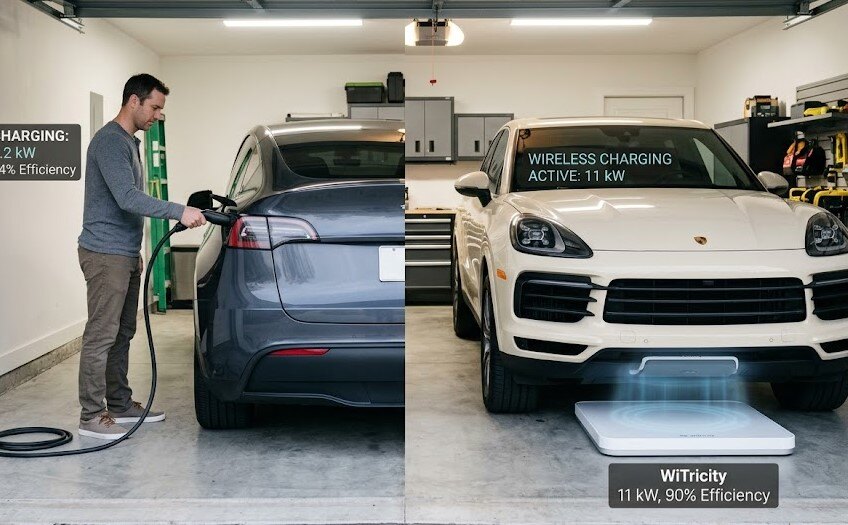
This article provides a comprehensive comparison between wireless EV charging and plug-in charging, examining their differences in efficiency, cost structure, safety, charging speed, and real-world usability. While plug-in charging remains the most widely adopted solution due to its lower initial cost and mature infrastructure, wireless charging is emerging as a highly convenient and automated alternative that reduces user effort and enhances safety. By analyzing technical performance and practical applications, the article highlights how each method serves different user needs—making them complementary rather than competitive in the evolving EV ecosystem.
When to Use DC Fast Charging for Electric Vehicles

When to Use DC Fast Charging for Electric Vehicles

Apr 16, 2026
17
This article provides a comprehensive guide to DC fast charging for electric vehicles, explaining its working principle, key differences from AC charging, and ideal usage scenarios. It highlights when drivers should use DC fast charging and when it is better to rely on Level 2 charging for daily use. The guide also includes step-by-step instructions, essential safety notes, and best practices like the 20%–80% charging rule to improve efficiency and protect battery health. By combining practical operation tips with strategic charging advice, it helps EV owners use DC fast charging safely, efficiently, and cost-effectively.
Electrical Requirements for EV Charger Installation

Electrical Requirements for EV Charger Installation

Apr 13, 2026
23
This article outlines the key electrical requirements for EV charger installation, covering fundamental concepts such as voltage, current, and circuit capacity, as well as practical considerations for selecting and installing Level 1 and Level 2 chargers. It also explains compatibility with vehicle onboard chargers, wiring and grounding standards, and the distinct infrastructure needs of DC fast charging systems in commercial and industrial applications. In addition, it highlights the importance of proper load assessment, professional installation, and regular maintenance to ensure safety, efficiency, and long-term reliability. Overall, it serves as a comprehensive guide for homeowners, property managers, and professionals involved in developing safe and efficient electric vehicle charging infrastructure.
How to Charge EVs Using Renewable Energy

How to Charge EVs Using Renewable Energy

Apr 11, 2026
25
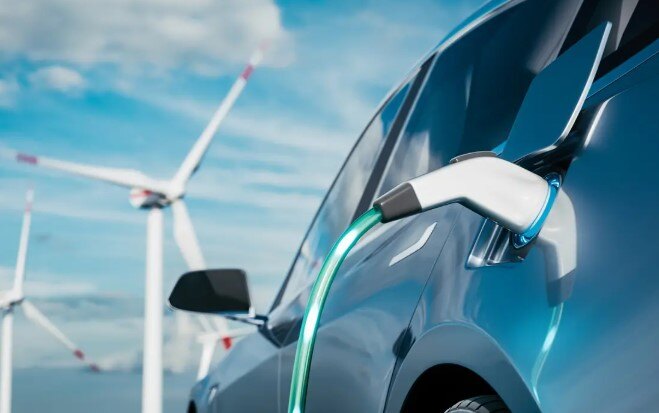
Integrating renewable energy, such as solar and wind, with electric vehicle (EV) charging offers a sustainable solution to the challenges of transportation electrification. This approach reduces energy costs, lowers carbon emissions, and enhances energy security while enabling households, businesses, fleets, and public networks to optimize energy use. By combining smart charging systems, storage solutions, and grid interaction, renewable-powered EV infrastructure becomes efficient, reliable, and scalable. With advancing technology, falling costs, and supportive policies, this integration is transitioning from early adoption to mainstream deployment, driving sustainable mobility and contributing to climate goals.
Heat Generation in Electric Vehicle Charging Stations

Heat Generation in Electric Vehicle Charging Stations

Apr 08, 2026
41
Electric vehicle charging stations inevitably generate heat during operation due to power level, charging efficiency, cable resistance, and ambient temperature. Heat accumulation can impact both the charger and the vehicle battery, potentially reducing efficiency, lifespan, and safety. Effective thermal management, including air or liquid cooling systems, intelligent monitoring software, proper installation, and regular maintenance, helps control temperatures, prevent overheating, and ensure reliable, safe, and efficient charging for both home and high-power commercial applications.